
Propagating Tinospora bakis: A Comprehensive Guide
Introduction:
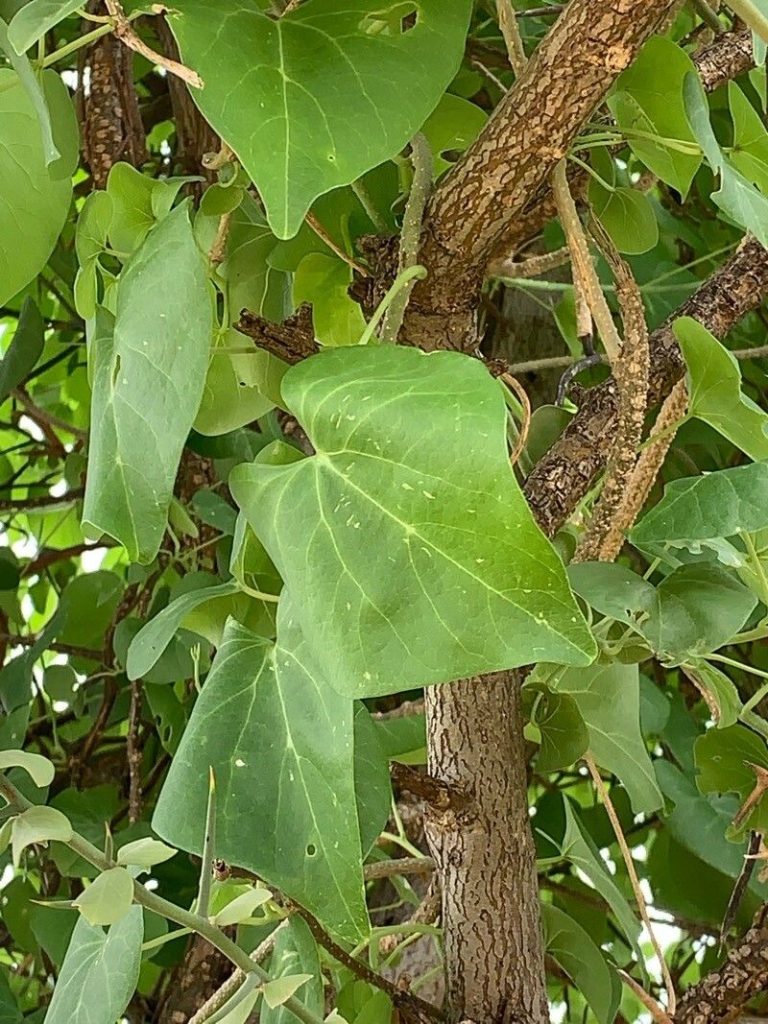
Tinospora bakis, also known as the "heartleaf moonseed" or "Guduchi," is a vigorous, climbing vine prized for its medicinal properties and ornamental appeal. Its heart-shaped leaves and delicate, yellowish-green flowers make it a desirable addition to gardens, particularly in tropical and subtropical regions. However, propagating Tinospora bakis can present certain challenges, making successful cultivation a rewarding endeavor for dedicated gardeners. While its medicinal importance fuels interest in its cultivation, its propagation isn’t straightforward compared to some other plants. Unique aspects such as its specialized root system and relatively slow growth contribute to the difficulties.
Seed Germination:
Currently, there are no known reliable methods for seed germination propagation of Tinospora bakis. While the plant does produce seeds, their viability is extremely low, and germination rates are reportedly negligible under various conditions. Further research is needed to determine if pre-treatment techniques (such as scarification or stratification) could improve germination success.
Cuttings:
Cuttings represent a more viable method for propagating Tinospora bakis.
Challenges: Successfully rooting cuttings can be challenging. The success rate often depends on proper timing (taking cuttings during periods of active growth), using appropriate rooting hormones, and maintaining high humidity levels.
Practical Tips: Take semi-hardwood cuttings (6-8 inches long) from healthy, actively growing stems during spring or early summer. Remove lower leaves, dip the cut ends in rooting hormone, and plant in a well-draining propagation mix (e.g., peat moss and perlite). Cover the cuttings with a plastic bag or humidity dome to maintain high humidity and warmth (ideally, bottom heat). Regularly mist the cuttings and ensure the propagation mix remains consistently moist but not waterlogged.
Rewards: Cuttings offer a relatively quick and efficient method for obtaining genetically identical plants, preserving desirable traits from the parent plant.
Division:
Division of established Tinospora bakis plants is a possible propagation method.
Challenges: Dividing the root system requires care to avoid damaging the delicate roots, which are crucial for the plant’s growth. Additionally, smaller divisions may take time to establish themselves.
Practical Tips: Division is best performed during the dormant season or early spring. Carefully dig up the mature plant, gently separate the root system into smaller portions, ensuring each division has sufficient roots and stems. Replant the divisions immediately in well-prepared soil, maintaining consistent moisture levels.
Rewards: Division offers a relatively simple method for increasing the number of plants, providing a faster establishment compared to cuttings. However, it’s limited by the size and age of the parent plant.
Tissue Culture:
Tissue culture is a potentially highly effective propagation method for Tinospora bakis.
Challenges: Tissue culture requires specialized equipment, a clean environment, and a good understanding of plant tissue culture techniques. This method is generally more complex and expensive than other methods outlined above. Finding the right media composition and growth regulators is crucial for optimal results.
Practical Tips: Experienced tissue culturists can use shoot tip or nodal segments as explants, growing them in a sterile medium containing appropriate nutrients and plant growth regulators. Subculturing will be needed to multiply the plantlets.
Rewards: Tissue culture allows for large-scale propagation of genetically uniform plants, making it ideal for the production of planting materials for medicinal or commercial purposes.
Conclusion:
Propagating Tinospora bakis presents various challenges across all methods. Seed germination remains unreliable, requiring further research. Cuttings offer a practical alternative, though success depends on careful technique. Division can be used for established plants, while tissue culture presents the most efficient but technically demanding option. Despite the difficulties, the unique satisfaction of successfully cultivating this valuable plant, whether through painstaking cuttings or the precision of tissue culture, is a testament to the gardener’s perseverance. The rewards – a thriving, healthy plant with its associated medicinal benefits and captivating beauty – far outweigh the challenges involved. Aspiring propagators should choose the method best suited to their skills and resources, focusing on attention to detail and patience. With careful attention, the successful propagation of Tinospora bakis becomes a rewarding achievement.