
Unleashing the Tiny Titans: Propagating Titanopsis hugo-schlechteri
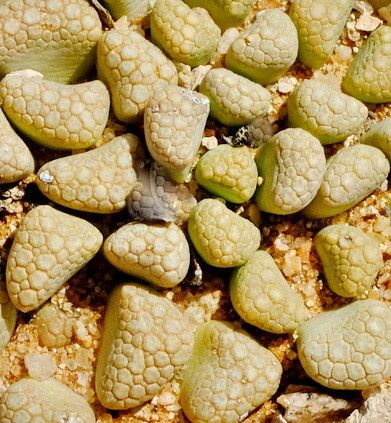
“Living stones,” “mimicry plants,” “pebble plants” – call them what you will, but the otherworldly charm of Titanopsis hugo-schlechteri is undeniable. Hailing from the arid regions of South Africa, these fascinating succulents have evolved to perfectly blend in with their rocky surroundings. But beneath their stony façade lies a surprising resilience and a surprisingly easy propagation process, perfect even for beginner succulent enthusiasts.
Two Paths to Pebble Plant Paradise
Titanopsis hugo-schlechteri, like many succulents, can be propagated through two main methods: seed propagation and leaf cuttings.
1. Seed Propagation: A Test of Patience, Rewarded with Abundance
While the most time-consuming method, seed propagation is perfect for producing a large number of Titanopsis hugo-schlechteri and offers a satisfying glimpse into their entire life cycle.
Here’s how:
- Obtain seeds: Purchase from reputable online retailers or nurseries specializing in succulents.
- Prepare a well-draining potting mix: Combine equal parts perlite, pumice, and cactus potting mix.
- Sow seeds: Scatter seeds thinly across the soil surface, gently pressing them in but not burying them.
- Mist regularly: Keep the soil consistently moist but not waterlogged. A spray bottle is ideal for this.
- Provide bright, indirect light: Place the seed tray in a warm, well-lit location, avoiding direct sunlight.
- Be patient: Germination can take anywhere from a few weeks to a couple of months.
Pro-tip: Cover the seed tray with clear plastic wrap to create a humid environment, which can speed up germination. Just be sure to remove the wrap once the seedlings emerge.
2. Leaf Cuttings: A Quicker Route to Clonal Colonies
For a faster and somewhat easier method, leaf cuttings are the way to go. This technique involves taking healthy leaves from a mature Titanopsis hugo-schlechteri and encouraging them to develop roots.
Follow these steps:
- Select healthy leaves: Choose plump, firm leaves from a thriving plant.
- Twist and remove: Gently twist the leaf from the stem, ensuring you remove the entire leaf, including the base.
- Allow to callus: Let the leaves dry out and form a callus at the base for a few days.
- Plant in well-draining soil: Insert the calloused end of the leaf into the same well-draining potting mix used for seeds.
- Water sparingly: Mist the soil lightly when it feels dry to the touch. Avoid overwatering.
- Wait for new growth: After several weeks, you should notice tiny plantlets emerging from the base of the leaf.
Pro-tip: For optimal results, choose leaves from the outer edges of the plant as they tend to be healthier and more vigorous.
Nurturing Your Miniature Masterpieces
Once your Titanopsis hugo-schlechteri have taken root, whether from seed or leaf cuttings, provide them with the following care:
- Bright, indirect light: Aim for at least 4-6 hours of bright, indirect sunlight per day.
- Well-draining soil: Use a specialized cactus or succulent potting mix to prevent root rot.
- Water sparingly: Allow the soil to dry out completely between waterings.
- Fertilize occasionally: Feed your plants with a diluted cactus fertilizer during their growing season (spring and summer).
With a little patience and the right care, you can easily propagate your very own collection of Titanopsis hugo-schlechteri. These resilient plants will bring a touch of the arid world to your home, delighting you with their unique beauty and surprisingly straightforward propagation.