
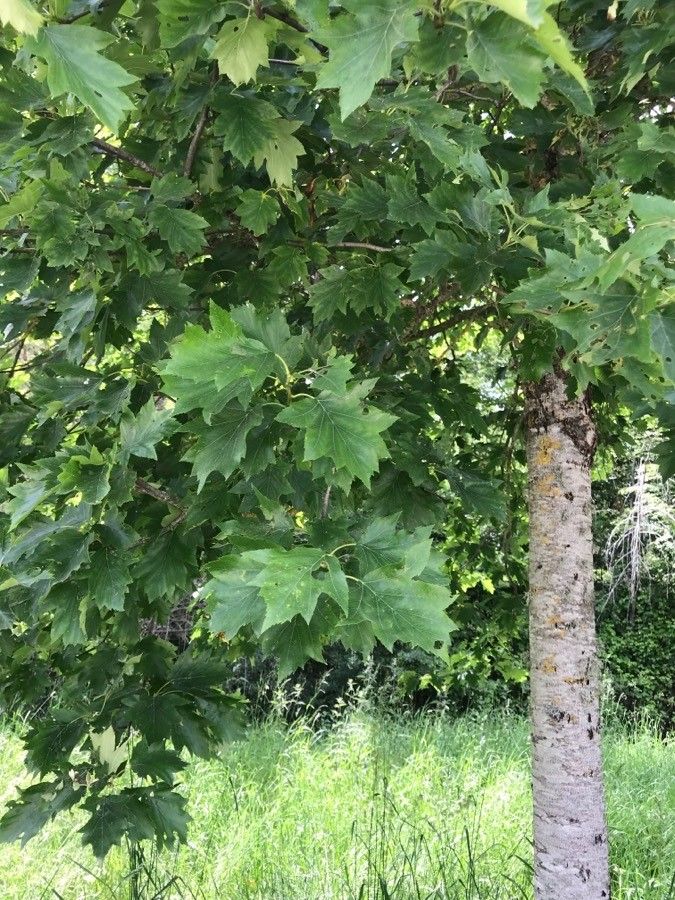
Propagating the Smooth Wild Service Tree (Torminalis glaberrima): A Gardener’s Guide
Introduction
Torminalis glaberrima, commonly known as the Smooth Wild Service Tree, is a relatively uncommon but highly prized small tree or large shrub valued for its attractive, deeply lobed leaves, fragrant white flowers, and eye-catching autumnal foliage. Its unique character and relatively slow growth make it a desirable addition to many gardens, though its propagation can present certain challenges. Its enduring appeal, coupled with the inherent difficulty in establishing it from readily available sources, makes successful propagation a particularly rewarding endeavor for the dedicated gardener.
Seed Germination
Seed germination for Torminalis glaberrima presents significant challenges. While seeds are produced, the germination rate is notoriously low, and dormancy periods can be unpredictable and lengthy. Successful germination often requires a period of cold stratification, mimicking the natural winter conditions required to break seed dormancy.
Challenges: Low germination rates, extended dormancy period, unpredictable germination timing.
Practical Tips: Freshly collected seeds are crucial. Stratification involves storing seeds in moist, cool (around 3-5°C) conditions for at least three months, ideally four to six. Sowing should occur in a well-drained seed compost in a cool, protected environment. High humidity and consistent moisture are vital during the germination process.
Rewards: Genetic diversity is the major reward. Seed-grown plants will exhibit a degree of variation, potentially leading to unique individuals. Successful germination provides a potentially scalable method for propagating this tree, offering plants that might possess enhanced characteristics.
Cuttings
Propagation through cuttings is a more reliable method than seed germination, albeit still challenging. Hardwood cuttings taken in late autumn or winter show some promise, whereas softwood cuttings taken in early summer may also be attempted.
Challenges: Low rooting success rate, susceptibility to fungal diseases, slower establishment compared to other methods.
Practical Tips: Use cuttings of approximately 10-15cm in length. Dip cuttings in a rooting hormone before planting in a well-draining propagation mix under a mist propagation system or a humidity dome to maintain high humidity.
Rewards: Generally faster to establish than seed-grown plants, allows for the clonal propagation of desirable individuals.
Division
Division of Torminalis glaberrima is not a practical propagation method. This species does not readily form suckers or easily divisible root systems.
Tissue Culture
Tissue culture is a potentially feasible, albeit complex and expensive, method for large-scale propagation of Torminalis glaberrima. However, specialized laboratory equipment and expertise are required.
Challenges: Requires specialized knowledge, equipment, and lab facilities. Potential for contamination and loss of plant material. Costly and time-consuming.
Practical Tips: This method requires the expertise of a specialized plant tissue culture laboratory. It is not advisable for amateur propagators.
Rewards: Allows for the rapid propagation of large numbers of genetically identical plants and disease-free stock.
Conclusion
Propagating Torminalis glaberrima presents several hurdles. While seed germination offers the benefit of genetic diversity, its unpredictable success rate can be frustrating. Cuttings offer a more reliable alternative, but patience and careful technique are crucial for achieving a reasonable success rate. Tissue culture, although efficient for large-scale propagation, remains a highly specialized method inaccessible to most gardeners.
The inherent difficulties in propagating the Smooth Wild Service Tree, however, only enhance the satisfaction derived from successfully cultivating it. Overcoming these propagation challenges provides a profound sense of accomplishment. Whether opting for cuttings or attempting the more arduous path of seed germination, persevere, learn from setbacks, and enjoy the unique journey of bringing this elegant tree to life. The eventual reward—a thriving Torminalis glaberrima in your garden—will make the effort immeasurably worthwhile.