
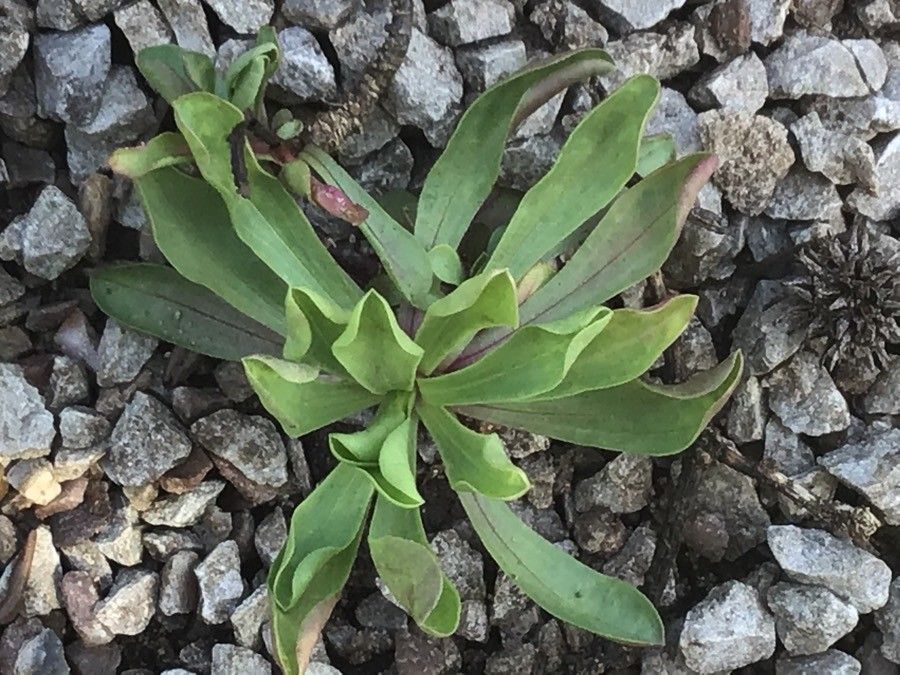
Propagating the Showy Townsendia: A Gardener’s Guide to Townsendia formosa
Introduction:
Townsendia formosa, commonly known as the showy townsendia, is a captivating alpine perennial boasting vibrant, daisy-like flowers in shades of white, lavender, and sometimes even pale pink. Native to the high-altitude regions of the Rocky Mountains, this plant is prized by rock garden enthusiasts and those seeking a touch of wildflower beauty in their landscapes. Its compact size, striking blossoms, and tolerance of harsh conditions make it a desirable but challenging addition to any garden. Propagation, however, requires a nuanced understanding of its specific needs, and success often hinges on patience and precision.
Seed Germination:
Seed germination for Townsendia formosa is challenging but possible. The seeds possess a degree of dormancy, often requiring cold stratification to break before germination can occur.
Challenges: Low germination rates are common. Seeds are tiny and require fine sowing techniques to avoid overcrowding. Precise environmental conditions are essential for successful germination.
Practical Tips: Collect seeds immediately after they mature, ensuring they’re fully dry before storage. Stratify the seeds for 6-8 weeks at temperatures near 4°C (39°F) in a moist medium (e.g., vermiculite or perlite). Sow seeds thinly onto a well-drained seed-starting mix, maintain consistent moisture (but avoid sogginess), and provide bright, indirect light.
Rewards: Successful germination offers the reward of high genetic diversity, increasing the resilience of the resulting plants. Seed propagation allows for the potential for large-scale propagation, especially if you have a significant number of seeds.
Cuttings:
Currently, there are no known reliable methods for propagating Townsendia formosa from cuttings. The plant’s physiology and adaptation to harsh conditions make it unlikely to root successfully from stem or leaf cuttings.
Division:
Division is a viable, albeit limited, method for propagating Townsendia formosa.
Challenges: Townsendia formosa is a relatively small plant, limiting the number of divisions possible from a single specimen. Careful handling is vital to avoid damaging the delicate roots. Division success is also dependent on the age and health of the parent plant.
Practical Tips: Divide established plants in early spring or autumn, separating the root clump gently into smaller sections, each with healthy roots and foliage. Plant the divisions immediately into well-drained soil, ensuring good contact between roots and soil. Water thoroughly but sparingly thereafter.
Rewards: Division offers a quicker path to increased plant numbers compared to seed germination. Genetic diversity is maintained unless propagation is carried out on clones.
Tissue Culture:
Tissue culture propagation of Townsendia formosa has not been widely explored. While potentially providing a means for large-scale propagation and disease-free plants, the specialized equipment, expertise, and sterile environment required may make this method impractical for most home gardeners.
Conclusion:
Propagating Townsendia formosa presents several challenges, but the rewards for the dedicated gardener are substantial. Seed germination, while difficult, offers the greatest potential for genetic diversity, while division offers a faster, albeit limited, approach. Cuttings and tissue culture remain largely unexplored avenues. Successfully cultivating this beautiful alpine plant, with its inherent difficulties, brings a unique sense of accomplishment. The patience and attention to detail required cultivate a deep appreciation for its resilience and exquisite beauty. For anyone willing to embrace the challenge, the triumphant bloom of a successfully propagated Townsendia formosa is a truly rewarding experience. Remember to prioritize well-drained soil, careful watering, and appropriate light conditions regardless of the propagation method.