
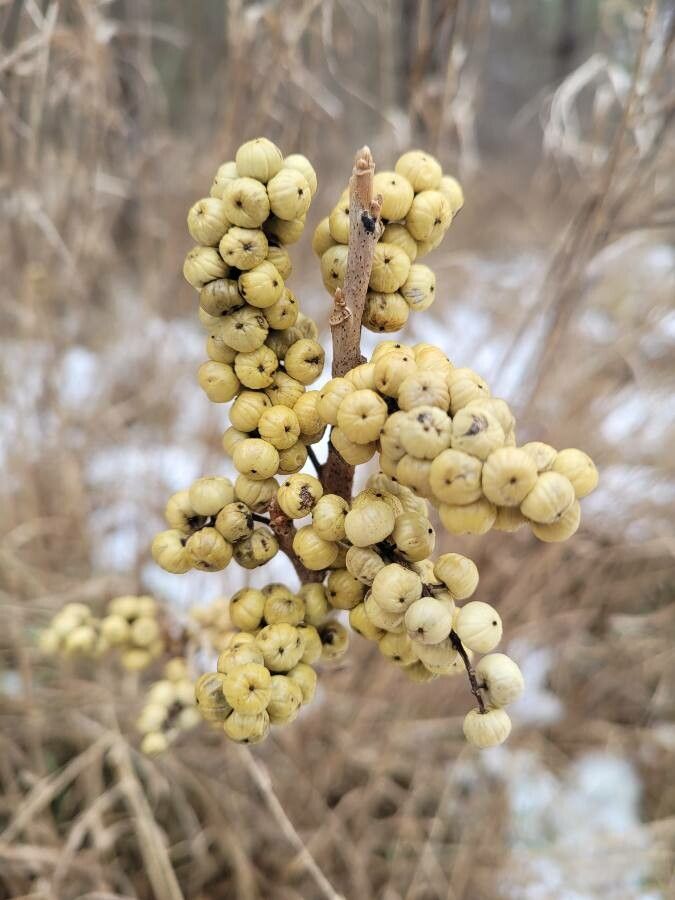
Don’t Poison Your Garden: A Guide to Propagating Poison Ivy (Toxicodendron rydbergii)
Poison ivy, scientifically known as Toxicodendron rydbergii, is infamous for its irritating rash. But did you know that this tenacious plant can also be propagated? While this might seem like a recipe for disaster, understanding the process and taking proper precautions allows you to control and even utilize this often-undesirable plant.
Why Propagate Poison Ivy?
Before we delve into the how-tos, it’s crucial to understand the reason behind propagating poison ivy. Generally, you wouldn’t want to intentionally spread this plant. However, there are valid scenarios where propagation might be necessary:
- Controlled Research: Botanists and researchers might cultivate poison ivy for studying its properties or developing treatments for its rash.
- Wildlife Habitat: Poison ivy provides crucial habitat for a variety of wildlife, including birds and insects. In certain controlled environments, propagation might be used to create or enhance this habitat.
- Landscape Design: In very specific cases, where appropriate safety measures are enforced, poison ivy can be used in landscape design. This is often done to discourage unwanted foot traffic in certain areas.
Understanding the Propagation Methods
Like many plants, poison ivy can be propagated through both sexual and asexual methods:
- Sexual Propagation: This involves growing poison ivy from seeds. While this method is generally less common, it can be utilized for research purposes or to create a large number of plants. Note that seeds can remain viable in the soil for many years, meaning even cleared areas could potentially see new growth.
- Asexual Propagation: This method involves taking cuttings or using root divisions to generate new plants.
A Closer Look at Asexual Propagation
Asexual propagation is the more common method used with poison ivy. Here’s a step-by-step guide:
1. Safety First:
- Always wear protective gear, including gloves, long sleeves, pants, and eye protection.
- Wash your tools and clothing thoroughly after handling poison ivy.
- Never burn poison ivy, as the smoke can also cause severe reactions.
2. Choose Your Method:
- Cuttings: Take softwood cuttings (new growth) in the spring or semi-hardwood cuttings (slightly mature growth) in the summer.
- Cut a 4-6 inch section just below a node (where leaves grow from the stem).
- Remove any leaves below the soil line.
- Dip the base of the cutting in rooting hormone.
- Plant the cutting in a pot filled with a rooting mix.
- Root Divisions: This method is best done in early spring or late fall.
- Dig up a healthy plant and carefully separate its roots.
- Replant each division in a pot or directly in the ground.
3. Fostering Growth:
- Maintain consistent moisture in the rooting mix or soil.
- Place the cuttings or divisions in a shady location, out of direct sunlight.
- Be patient! It can take several weeks or months for cuttings to establish roots.
4. Final Steps:
- Once the new plants are established, you can gradually acclimate them to more direct sunlight.
- Monitor for any signs of diseases or pests and address them promptly.
Important Note: Regardless of the propagation method, always exercise extreme caution when handling poison ivy. The plant’s urushiol oil, which causes the rash, remains active even after the plant is dead. Dispose of any plant material carefully and thoroughly wash any tools and surfaces that come into contact with it.
Conclusion
While propagating poison ivy is not something most gardeners will ever need to do, understanding the methods provides insights into its biology and how to manage its growth. By following these safe practices and utilizing the appropriate tools, even this infamous plant can be handled responsibly and with a level of understanding.