
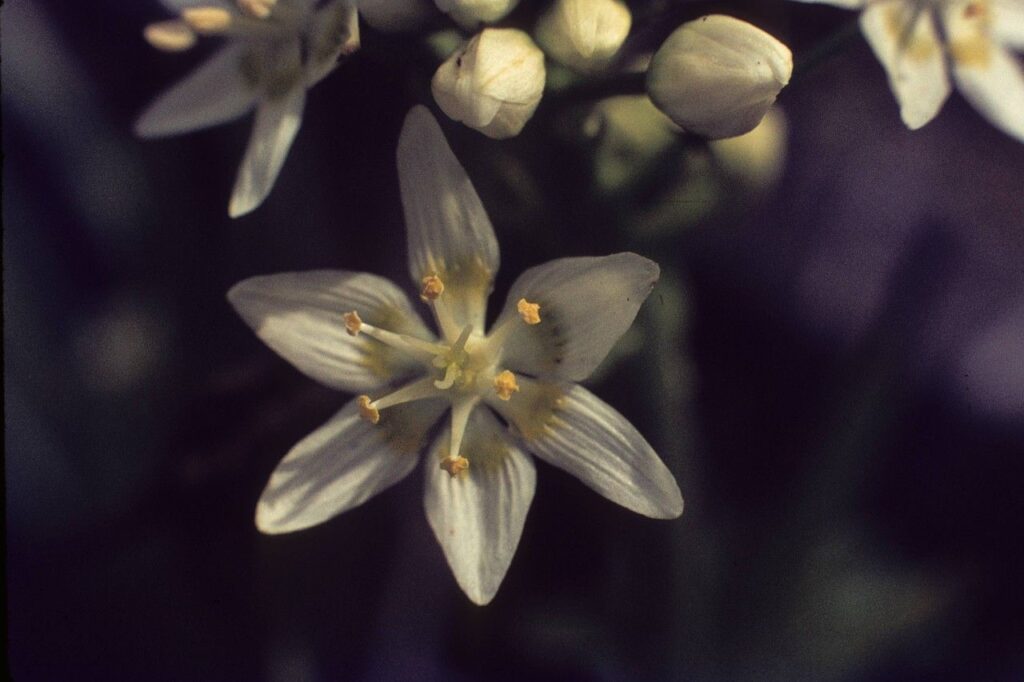
Unlocking the Secrets of Toxicoscordion brevibracteatum: Propagation Tips for a Unique Wildflower
Toxicoscordion brevibracteatum, a name that might sound like a mouthful, actually belongs to a fascinating wildflower native to western North America. Commonly called the “Short-bracted Death Camas,” this intriguing plant boasts delicate, star-shaped blooms on tall stalks that add a touch of whimsical beauty to grasslands and open woodlands. But don’t let the somewhat alarming common name deter you! While caution is needed due to its toxic nature, propagating Toxicoscordion brevibracteatum can be a rewarding experience for plant enthusiasts looking to invite a piece of untamed nature into their gardens.
Before embarking on your propagation journey, remember to handle this plant with care, always wearing gloves and avoiding contact with skin or mouth. With safety measures in place, let’s explore the two main methods for propagating this captivating species:
1. Seed Propagation: A Test of Patience
Propagating Toxicoscordion brevibracteatum from seed requires a healthy dose of patience, as the process can be slow and somewhat unpredictable. Here’s a step-by-step guide:
-
Seed Collection and Storage: Collect mature seeds from existing plants in late summer or early fall. Look for dried seed pods that readily release their contents. Store seeds in a cool, dry place until you’re ready to sow.
-
Cold Stratification: Toxicoscordion brevibracteatum seeds require a period of cold stratification to break their dormancy. This mimics the natural winter conditions they experience in the wild. Mix the seeds with damp sand or vermiculite, seal them in a plastic bag, and refrigerate them for at least 6-8 weeks.
-
Sowing: In early spring, sow the stratified seeds in a well-draining seed starting mix. Press them lightly onto the surface, but do not bury them, as they need light to germinate.
- Patience is Key: Germination can be erratic and may take several weeks or even months. Keep the soil consistently moist but not waterlogged. Once seedlings emerge and are large enough to handle, transplant them into individual pots.
2. Division: A Faster Route to Success:
For quicker results, division offers a more reliable method for propagating Toxicoscordion brevibracteatum. This method involves carefully separating sections of established plants.
-
Timing is Crucial: Early spring, before new growth emerges, is the ideal time for division.
-
Careful Excavation: Gently lift the entire plant from the ground using a garden fork, being careful not to damage the fleshy roots.
-
Divide and Conquer: Carefully separate the plant into sections using a sharp, clean knife or your hands. Each division should have a good amount of roots and at least one healthy shoot.
- Replanting: Replant the divisions immediately in well-prepared soil, ensuring the crown of the plant sits slightly above the soil line. Water them in well and provide adequate moisture as they establish.
A Note on Care:
Toxicoscordion brevibracteatum thrives in full sun to partial shade and well-draining soil. Once established, it is relatively drought tolerant but benefits from occasional watering during dry spells. Deadhead spent flower stalks to encourage more blooms and prevent unwanted self-seeding.
Propagating Toxicoscordion brevibracteatum might require a bit more care and attention, but the reward of nurturing this unique wildflower to bloom in your own garden is well worth the effort. Just remember the safety precautions, practice patience, and enjoy the journey of witnessing this captivating species flourish under your care.