
Propagating the Death Camas: A Guide to Cultivating Toxicoscordion venenosum
Introduction:
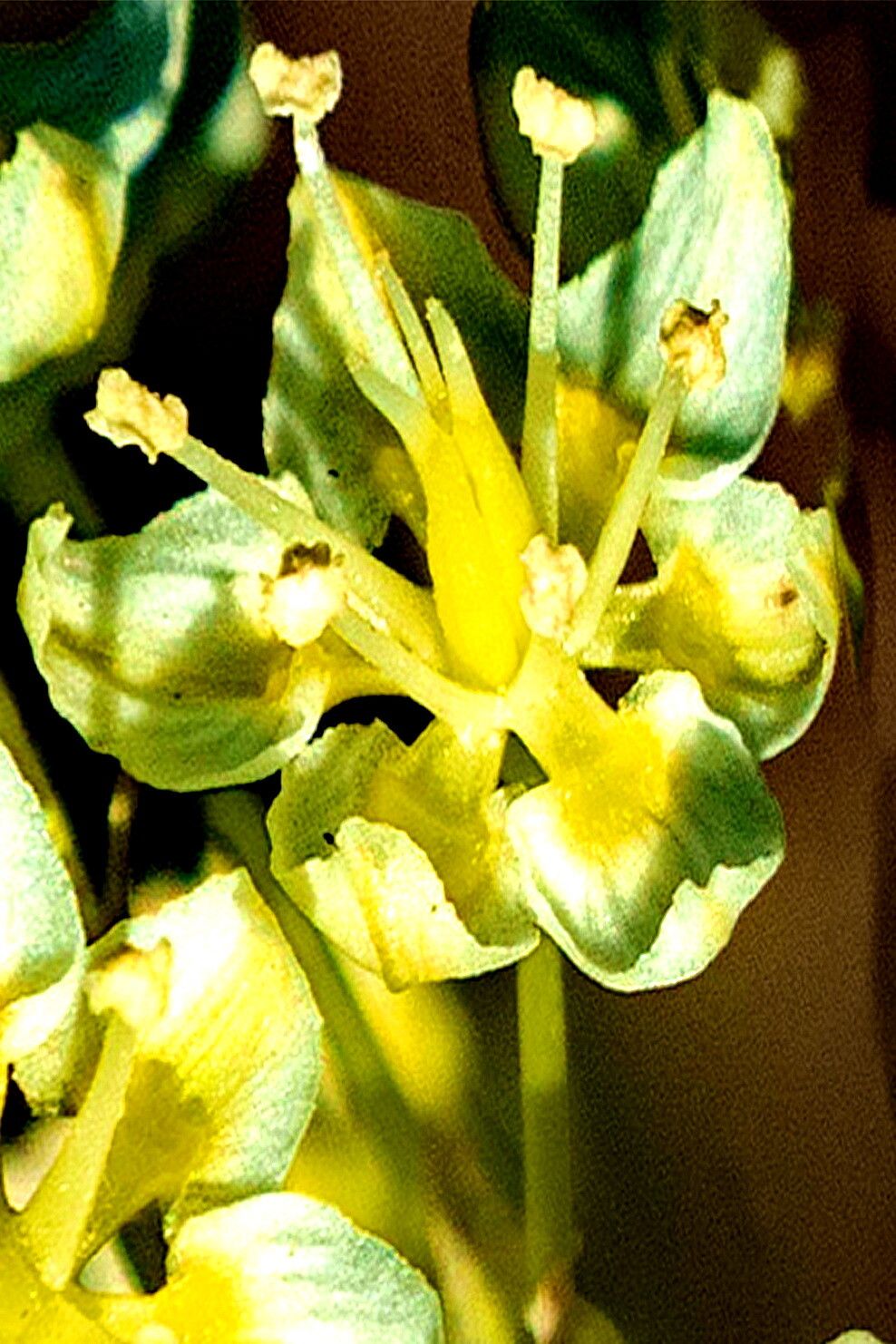
Toxicoscordion venenosum, commonly known as Death Camas, is a striking and undeniably captivating member of the Melanthiaceae family. Its elegant, grass-like foliage and delicate, star-shaped flowers belie its potent toxicity, making it a plant demanding respect and careful handling. While its poisonous nature limits its widespread use in landscaping, its unique beauty and the challenge of cultivation have earned it a devoted following amongst specialist gardeners. Propagation, however, presents unique hurdles, making successful cultivation a rewarding achievement.
Seed Germination:
Currently, there are no known reliable methods for seed germination propagation of Toxicoscordion venenosum. Extensive research into the germination requirements of this species is lacking. Further investigation into potential dormancy-breaking techniques, such as stratification at various temperatures and durations, might yield results, but this remains largely unexplored.
Cuttings:
Currently, there are no known reliable methods for propagating Toxicoscordion venenosum from cuttings. The plant’s physiology and lack of readily available information suggest that vegetative propagation via cuttings is unlikely to be successful. Further research into techniques such as stem or root cuttings with hormone application could potentially be explored, but success is not guaranteed.
Division:
Division offers the most reliable method for propagation of Toxicoscordion venenosum. Established clumps of Death Camas can be carefully divided during periods of dormancy, usually in late summer or early autumn after flowering.
- Challenges: Dividing the bulbs requires careful handling to avoid damaging the delicate root system. Each division needs to contain a substantial portion of the root system for successful establishment. Improper division can lead to transplant shock and failure.
- Tips: Use sharp, clean tools to minimize damage. Handle the bulbs gently, ensuring each division maintains a healthy portion of roots and leaves. Plant divisions immediately after separating them in well-draining, moisture-retentive soil similar to the original growing conditions. Maintain consistent moisture until new growth emerges.
- Rewards: Division ensures the preservation of the parent plant’s genetic characteristics and provides a relatively straightforward method to increase the number of plants.
Tissue Culture:
Tissue culture techniques have not been extensively applied to Toxicoscordion venenosum. This method, while potentially providing a rapid and efficient means of large-scale propagation, would require considerable expertise in plant tissue culture, including the development of appropriate growth media and sterilization protocols. Given the plant’s toxicity, stringent safety protocols are essential.
Conclusion:
Propagating Toxicoscordion venenosum presents significant challenges. While division provides the most realistic method for achieving successful propagation, it necessitates skill and patience. The lack of reliable seed germination and cutting propagation methods underscores the need for additional research. However, cultivating this fascinating species from a division, overcoming the inherent difficulties, offers a profound sense of accomplishment that significantly outweighs the challenges. The unique beauty of the Death Camas and the success in propagating it serve as a testament to horticultural perseverance and the rewarding experience of cultivating a rare and captivating plant. For aspiring propagators, starting with a division from a healthy established plant is the most realistic and successful approach. Remember to always prioritize safety and handle the plant with care given to its toxicity.