
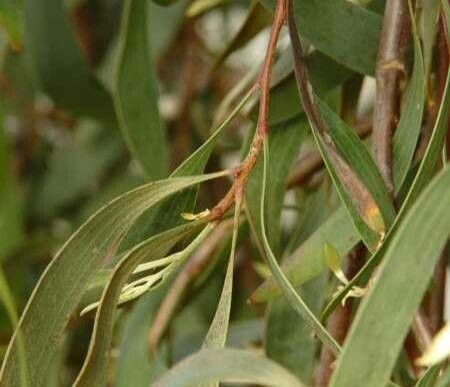
Propagating Hakea laurina: A Gardener’s Guide to the Pincushion Hakea
Introduction:
Hakea laurina, commonly known as Pincushion Hakea, is a striking Australian native shrub prized for its attractive, spiky foliage and showy, pincushion-like flower heads. Its drought tolerance and adaptability make it a popular choice amongst gardeners, particularly in areas with Mediterranean climates. However, propagating Hakea laurina can present unique challenges compared to other garden plants. Its hard seed coat and relatively slow growth contribute to the difficulty. This guide will explore various propagation methods to help gardeners successfully cultivate this beautiful species.
Seed Germination:
Seed germination is a viable method for propagating Hakea laurina, but it requires patience and the right techniques. The hard seed coat is the primary challenge, hindering water uptake and germination.
Challenges: Dormancy imposed by the hard seed coat significantly reduces germination rates.
Tips: Pre-treatment is crucial. Scarification – nicking the seed coat with a file or sandpaper – or soaking seeds in boiling water for a few seconds followed by a period of stratification (cold, moist treatment for several weeks) significantly improves germination rates. Sow seeds in a well-draining seed-raising mix, ensuring good drainage to prevent fungal diseases. Maintain consistent moisture, but avoid overwatering.
Rewards: Seed germination offers the advantage of genetic diversity, producing plants with a wider range of characteristics. This method can be cost-effective for large-scale propagation.
Cuttings:
Cuttings are another feasible method for Hakea laurina propagation, though success rates can be variable.
Challenges: Hakea laurina can be slow to root from cuttings. The use of rooting hormone and a suitable propagation medium are critical. Maintaining high humidity and optimal temperature are also essential.
Tips: Take semi-hardwood cuttings in late spring or early summer. Use a sharp knife or shears to ensure clean cuts. Dip the cuttings in rooting hormone and plant them in a well-draining mix, such as perlite and vermiculite. Cover the cuttings with a humidity dome or plastic bag to maintain high humidity. Position the cuttings in a bright but indirect light location.
Rewards: Cuttings produce genetically identical plants, preserving desirable traits from the parent plant. This is useful for propagating superior cultivars.
Division:
Division is generally not a practical method for propagating Hakea laurina. The plant’s strong, woody root system makes it difficult and often damaging to divide successfully.
Tissue Culture:
Tissue culture is a potential method, although it requires specialized laboratory facilities and expertise. While viable, it is not a common method for home gardeners.
Challenges: Establishing aseptic conditions and developing efficient protocols for Hakea laurina tissue culture necessitates advanced knowledge and resources.
Tips: This is a method best left to specialized nurseries and research institutions.
Rewards: Large-scale propagation of disease-free plants is possible with tissue culture.
Conclusion:
Propagating Hakea laurina presents some challenges, primarily related to seed dormancy and the slow rooting of cuttings. However, with patience and attention to detail, both seed germination and cuttings are viable options. The rewards – whether the genetic diversity from seed or the replication of desirable traits from cuttings – are well worth the effort. The satisfaction derived from nurturing a tiny seedling or a cutting into a mature, flowering Hakea laurina is a testament to the gardener’s perseverance and provides a unique connection to the beauty of the Australian landscape. Don’t be discouraged by initial setbacks; experiment with different techniques and celebrate your successes along the way. Your persistence will ultimately be rewarded with a stunning addition to your garden.