
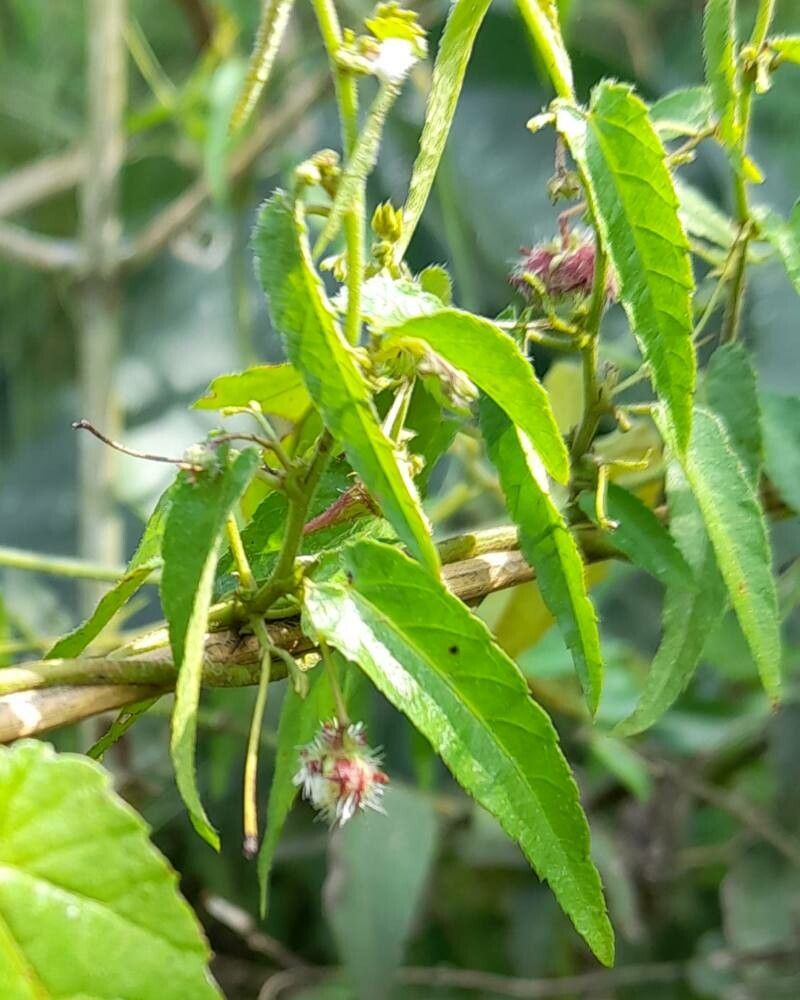
Taming the Twining Vine: Propagating Tragia volubilis
Tragia volubilis, also known by the evocative name “creeping nettlespurge,” might not be the first plant that comes to mind when you think “garden beauty.” However, this twining vine, with its delicate foliage and surprisingly charming (though small) flowers, holds a unique appeal for adventurous gardeners. Want to add this intriguing plant to your landscape? Let’s explore how to propagate Tragia volubilis and invite its subtle beauty into your garden.
Understanding the Nature of the Beast (er, Plant):
Before we delve into propagation, it’s worth understanding what makes Tragia volubilis tick. This perennial vine, native to various regions in the Americas, is known for its adaptability. It thrives in well-drained soil and tolerates a range of light conditions, from full sun to partial shade.
However, a word of caution: like other members of the Euphorbiaceae family, Tragia volubilis possesses stinging hairs that can irritate the skin. Wear gloves and long sleeves when handling this botanical beauty!
Propagation Methods:
While Tragia volubilis can be a bit of a shy bloomer, it compensates by being relatively easy to propagate. Here are the most common methods:
1. Seed Propagation:
- Collection: Collect mature seeds from dried seed capsules in late summer or fall.
- Sowing: Sow seeds directly in the garden after the last frost, or start them indoors 6-8 weeks before the last expected frost.
- Conditions: Provide well-drained soil and keep the seedbed consistently moist.
- Germination: Seeds typically germinate within 2-3 weeks.
2. Cuttings:
- Timing: Take stem cuttings in late spring or early summer when the plant is actively growing.
- Selection: Choose healthy, non-flowering stems about 4-6 inches long. Remove the leaves from the bottom inch or two.
- Rooting: Dip the cut end in rooting hormone (optional) and plant the cutting in a well-draining potting mix.
- Environment: Keep the cuttings consistently moist and provide bright, indirect light. Rooting typically occurs within a few weeks.
Transplanting and Care:
Once your Tragia volubilis seedlings or cuttings are established, it’s time to give them a permanent home.
- Location: Choose a location with well-drained soil and appropriate light conditions (full sun to partial shade). Remember this vine likes to climb, so provide a trellis, arbor, or another structure for support.
- Soil: While adaptable, Tragia volubilis prefers fertile, slightly acidic soil. Amending the soil with compost can help improve drainage and provide nutrients.
- Watering: Water regularly, especially during dry periods, but avoid overwatering as it can lead to root rot.
The Rewards of Growing Tragia Volubilis:
Though often overlooked, Tragia volubilis offers a unique charm. Its delicate foliage adds a touch of elegance while its twining habit brings vertical interest to the landscape. While the flowers may be small, they attract a variety of pollinators, making it a valuable addition to a wildlife-friendly garden.
With a little patience and care, you can successfully propagate and cultivate this intriguing vine, adding a touch of understated beauty and wildness to your outdoor haven.