
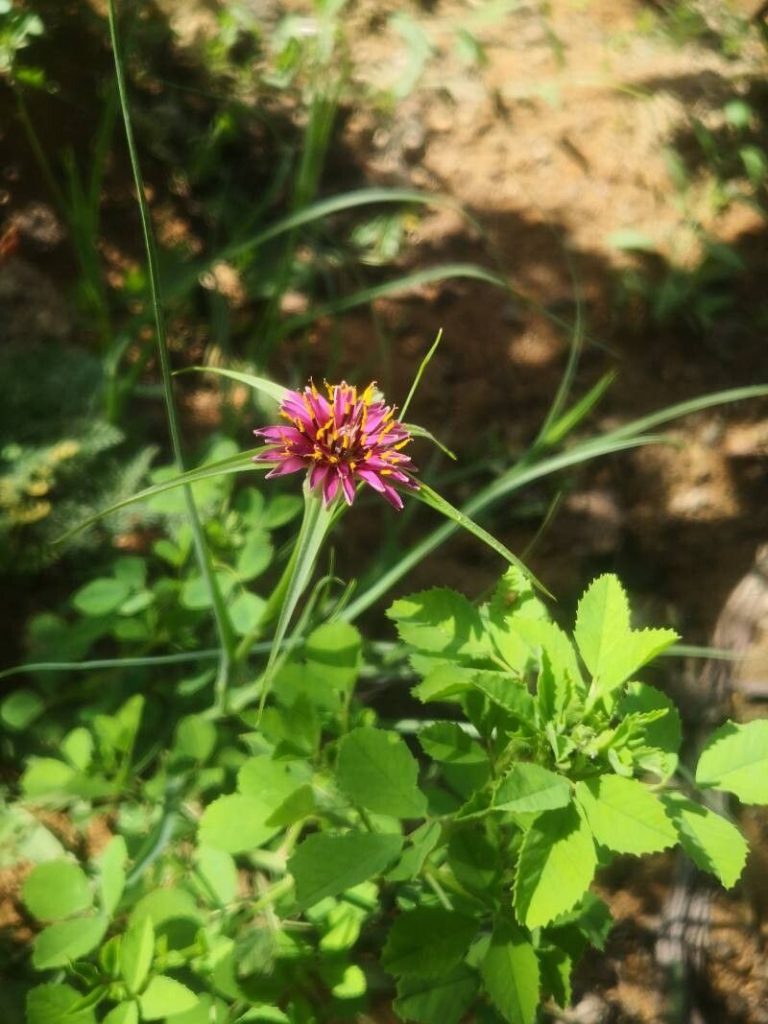
Propagating Tragopogon angustifolius: A Gardener’s Guide to the Narrow-leaved Goat’s-beard
Introduction
Tragopogon angustifolius, commonly known as the narrow-leaved goat’s-beard, is a charming member of the Asteraceae family, prized for its elegant, slender foliage and striking, dandelion-like flowers that bloom in shades of yellow or purple. While not as widely cultivated as some other garden plants, its unique appearance and relative ease of care (once established) make it a rewarding addition for gardeners seeking less common species. Propagation, however, presents certain challenges, and mastering any of the methods described below requires patience and attention to detail.
Seed Germination
Seed germination is a viable method for propagating Tragopogon angustifolius, offering the significant reward of increased genetic diversity. However, it presents some challenges. The seeds of this species exhibit dormancy, meaning they require specific conditions to break dormancy and germinate successfully.
Challenges: Primary challenges include dormancy breaking and maintaining consistent moisture levels without leading to fungal diseases. The fine seeds are also susceptible to being washed away by watering.
Practical Tips: Successful germination typically requires cold stratification. This involves mixing the seeds with a moist medium (e.g., vermiculite or peat moss) and storing them in a refrigerator for 6-8 weeks at temperatures between 33-40°F (0-4°C). After stratification, sow the seeds thinly onto well-draining seed-starting mix in shallow containers. Keep the soil consistently moist but not waterlogged, ensuring good drainage. Gentle misting instead of overhead watering is recommended. Germination typically occurs within 2-4 weeks after sowing.
Rewards: Successful seed germination provides a large number of plants at a relatively low cost, allowing for larger-scale propagation and the introduction of genetic variability into your garden.
Cuttings
Currently, there are no known reliable methods for propagating Tragopogon angustifolius via cuttings. The plant’s physiology doesn’t readily lend itself to rooting from stem or leaf cuttings.
Division
Division is a feasible propagation method for established Tragopogon angustifolius plants.
Challenges: The plant’s taproot can be surprisingly long and brittle, making careful excavation and division necessary to avoid damage. Over-division can also stress the plant, leading to reduced vigor or failure to re-establish.
Practical Tips: The best time to divide is in early spring or autumn when the plant is actively growing but not flowering. Carefully dig up the entire plant, making sure to retain as much of the root system as possible. Divide the root crown into sections, ensuring each division has a healthy portion of roots and foliage. Replant immediately, ensuring proper soil moisture and adequate spacing.
Rewards: Division offers a relatively straightforward method for multiplying established plants, preserving their existing genetic characteristics.
Tissue Culture
Tissue culture propagation of Tragopogon angustifolius is not commonly practiced and may prove challenging due to potential difficulties in establishing sterile cultures and inducing shoot regeneration. There is limited published research on this method for this particular species.
Conclusion
Propagating Tragopogon angustifolius presents a unique set of challenges and rewards. While cuttings are currently unviable, seed germination and division offer practical pathways to expand your collection. Success with seed germination hinges on understanding dormancy requirements and meticulous care, while division requires patience and a gentle hand. The potential difficulties involved, however, underscore the considerable satisfaction derived from successfully cultivating this plant. The vibrant blooms and unique character of narrow-leaved goat’s-beard make the effort worthwhile for the dedicated gardener. Don’t be discouraged by initial setbacks – persevere, experiment with timing and conditions, and you will eventually witness the rewarding outcome of your efforts.