
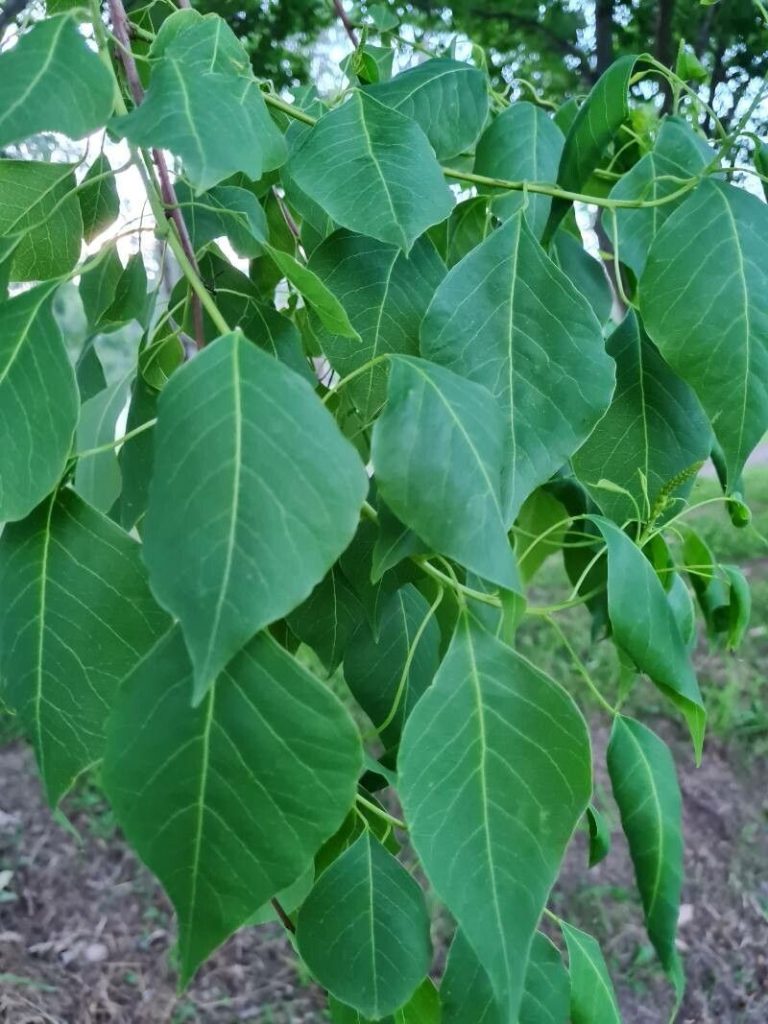
Propagating the Chinese Tallow Tree (Triadica sebifera): A Gardener’s Guide
Introduction:
Triadica sebifera, commonly known as the Chinese tallow tree, is a fast-growing, deciduous tree renowned for its striking autumn foliage, transitioning from green to vibrant shades of red, orange, and purple. Its distinctive, round, silvery-coated seeds add to its ornamental appeal. While its invasive nature in some regions raises concerns, its popularity among gardeners persists, particularly in areas where it’s not considered a threat, due to its aesthetic qualities and ease of propagation (with certain methods proving more successful than others). The unique aspects of its propagation lie in the variable success rates depending on the chosen method and the need for specific environmental conditions.
Seed Germination:
Seed germination for Triadica sebifera is viable, but presents challenges. The seeds possess a hard seed coat that inhibits water uptake and germination. This necessitates stratification, a process of cold treatment mimicking winter conditions.
Challenges: Low germination rates are common even with stratification. Improper stratification or handling can lead to seed rot.
Practical Tips: Collect seeds in autumn after they have fully matured. Clean the seeds, removing the waxy coating. Stratify seeds for 60-90 days at temperatures between 33-40°F (0-4°C) in a moist medium (e.g., peat moss or vermiculite). Sow seeds in well-draining seed-starting mix in spring after the stratification period, keeping the soil moist but not waterlogged. Germination typically occurs within several weeks to a few months.
Rewards: Successfully germinated seedlings represent a significant genetic diversity, offering a broader range of characteristics than vegetative propagation methods. This method also allows for large-scale propagation, ideal for landscape restoration or large-scale plantings (where appropriate and non-invasive).
Cuttings:
Cuttings offer a more reliable method of propagation than seed germination.
Challenges: While relatively easy, success depends on the timing and method. Using hardwood cuttings taken in late autumn or winter has a lower success rate than softwood cuttings taken in spring or early summer.
Practical Tips: Take 4-6 inch cuttings from semi-hardwood growth in late spring or early summer. Remove lower leaves and dip the cut end in rooting hormone. Plant cuttings in a well-draining, moist mix and cover with a humidity dome or plastic bag to maintain high humidity levels. Keep the cuttings in a warm location with bright, indirect light. Rooting usually takes several weeks.
Rewards: Cuttings produce genetically identical clones, preserving desirable traits of the parent plant. This method is quicker than seed germination and often has higher success ratios.
Division:
Division is generally not practical for propagating Triadica sebifera. The plant’s root system is quite extensive and difficult to divide without severely damaging the plant.
Challenges: High risk of plant mortality and limited propagation success.
Practical Tips: Not recommended.
Rewards: Not applicable.
Tissue Culture:
Tissue culture propagation is a viable, albeit complex, method for Triadica sebifera.
Challenges: Requires sterile laboratory conditions, specialized equipment, and expertise in plant tissue culture techniques. It is expensive and time-consuming.
Practical Tips: This method requires a controlled environment with sterile media, growth regulators, and careful attention to aseptic techniques. It’s best done by professional plant nurseries.
Rewards: High propagation rates and rapid multiplication are possible. This offers the greatest potential for large scale propagation of disease-free plants.
Conclusion:
Propagating Triadica sebifera presents a unique set of challenges and rewards depending on the selected method. While seed germination offers genetic diversity, it suffers from low success rates. Cuttings provide faster, more reliable propagation but lack genetic variability. Division is generally impractical. Tissue culture, while offering high propagation rates, requires specialized knowledge and resources.
The satisfaction derived from successfully propagating this striking tree is amplified by these challenges. The care, patience, and attention to detail required to overcome the hurdles of propagation highlight the special bond between the gardener and the plant. For aspiring propagators, starting with cuttings is recommended for a higher chance of success. However, don’t be afraid to experiment with seed germination – the reward of successfully nurturing a seedling from seed is uniquely fulfilling. Remember always to consider the invasive potential of this species in your region before propagation.