
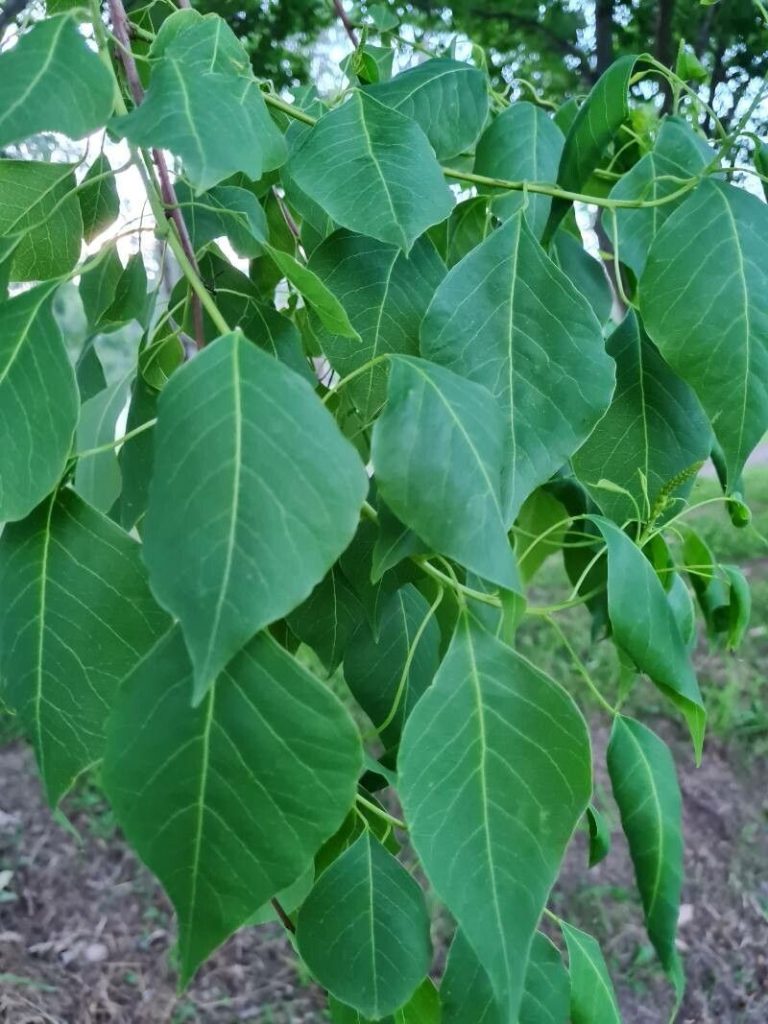
Propagating the Chinese Tallow Tree (Triadica sebifera): A Gardener’s Guide
Introduction:
Triadica sebifera, commonly known as the Chinese tallow tree, is a fast-growing, deciduous tree prized for its striking fall foliage, ranging from vibrant yellow to fiery red. Its smooth, gray bark and distinctive, pea-sized fruits further enhance its ornamental appeal. However, its rapid growth and invasive potential in certain regions have also made it a controversial plant. Despite this, its unique characteristics and resilience make it a fascinating subject for propagation among dedicated gardeners. The challenge lies in finding the most effective method given its variable success rates across different techniques.
Seed Germination:
Seed germination for Triadica sebifera is possible, but presents several challenges. The seeds possess a hard seed coat that inhibits water uptake, requiring pre-treatment to break dormancy. This often involves stratification – a process of chilling the seeds in moist medium (e.g., peat moss) for several weeks, ideally between 30-60 days at temperatures near 4°C (39°F).
Challenges: Inconsistent germination rates are common, even with stratification. Seed viability can also be affected by the age of the seed and storage conditions.
Practical Tips: Sow stratified seeds in well-draining seed-starting mix, covering them lightly with soil. Maintain consistent moisture but avoid overwatering, which can lead to fungal diseases. Germination typically occurs within a few weeks of sowing.
Rewards: Successfully germinating seeds offers the benefit of genetic diversity, leading to a greater range of plant characteristics. This method also holds promise for large-scale propagation, although inconsistent germination rates need to be considered.
Cuttings:
Propagating Triadica sebifera from cuttings offers a more reliable method than seed germination. Semi-hardwood cuttings taken in late summer or early autumn generally show the highest success rate.
Challenges: Rooting can be slow and inconsistent. The use of rooting hormones and a suitable propagation medium (e.g., a mix of perlite and peat moss) is crucial.
Practical Tips: Cuttings should be approximately 4-6 inches long, taken from the current year’s growth. Remove lower leaves to prevent rot and dip the cut end in rooting hormone before planting. Maintain high humidity using a propagation dome or plastic bag to encourage rooting.
Rewards: Cuttings provide a faster and more reliable method of propagation compared to seeds, ensuring the exact genetic characteristics of the mother plant are replicated.
Division:
Division is not a practical method for propagating Triadica sebifera. The plant’s root system is extensive and not easily divided without causing significant damage to the parent plant.
Tissue Culture:
While tissue culture is a viable method for large-scale propagation of many plant species, it is not commonly used for Triadica sebifera due to its relatively straightforward propagation via cuttings. The high cost and specialized equipment needed make it less practical for home gardeners or small-scale propagation.
Challenges: The establishment of a reliable tissue culture protocol would require significant research and investment.
Practical Tips: This method is not recommended for amateur propagators without specialized training and equipment.
Rewards: Potentially highly efficient method for large-scale propagation and disease-free plant production.
Conclusion:
Propagating Triadica sebifera presents unique challenges and rewards. While seed germination offers genetic diversity but is unreliable, cuttings provide a faster, more consistent approach for most gardeners. Division is not recommended, and tissue culture is best left to professionals. The satisfaction of successfully propagating this striking tree, especially from seed or cutting, is a testament to the gardener’s perseverance and skill. Despite the initial difficulties, the vibrant foliage and unique characteristics of the mature Chinese tallow tree make the effort worthwhile. For aspiring propagators, starting with cuttings is the recommended and most successful route, but experimenting with stratified seeds can offer a rewarding – albeit less reliable – alternative. Remember patience and persistence are key to success!