
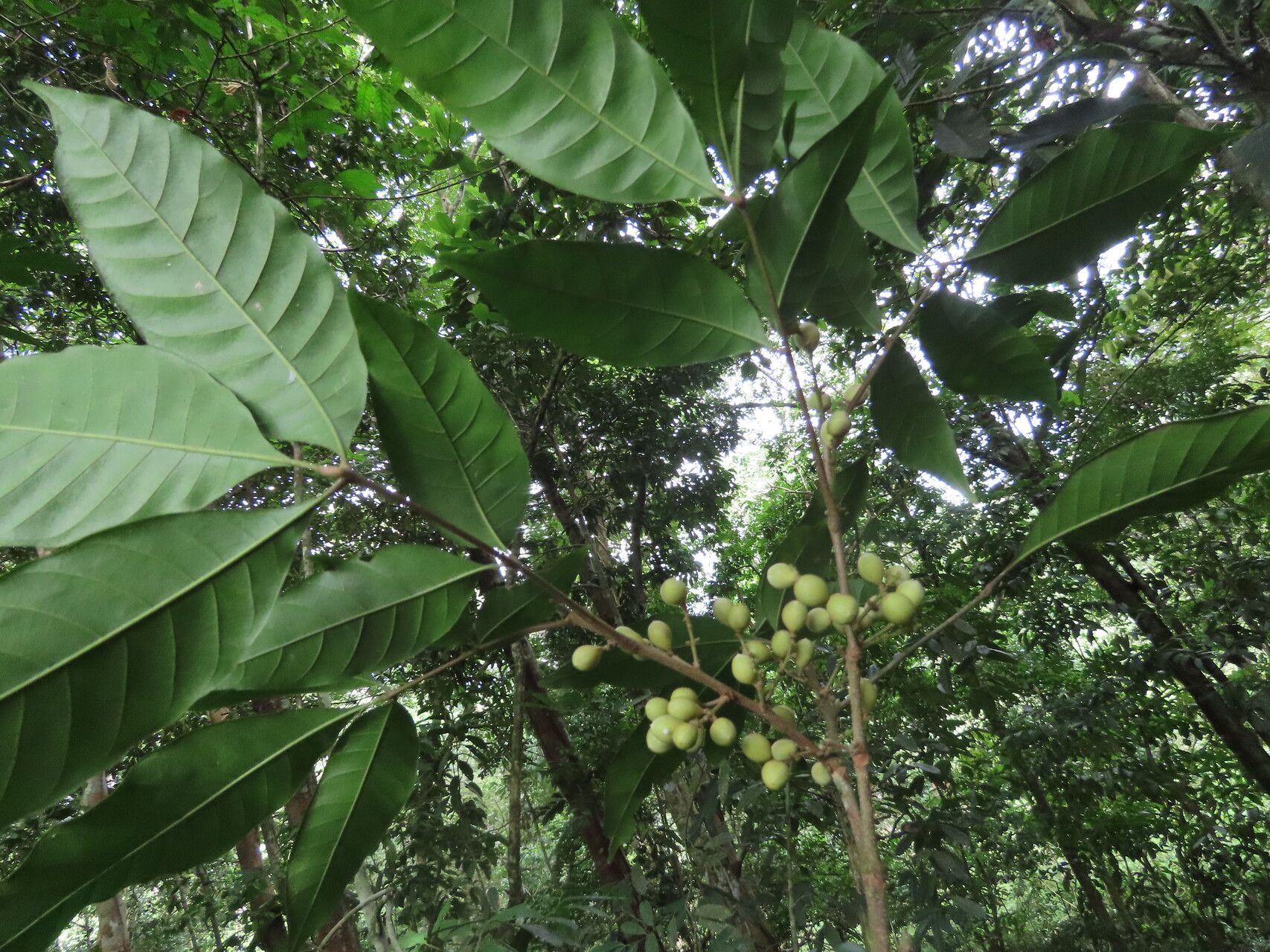
Unlocking the Secrets of Trichilia pallida Propagation: A Guide to Growing From Seed and Cuttings
Trichilia pallida, also known as the “tropical mahogany” or “rosita,” is a captivating tree native to Central and South America. Admired for its vibrant foliage and attractive fruit, this tree is an excellent choice for adding a touch of tropical elegance to gardens in suitable climates. While readily available in nurseries, propagating your own Trichilia pallida can be a rewarding experience. This comprehensive guide will delve into the two most effective methods: seed propagation and propagation from cuttings.
Method 1: Seed Propagation
- Seed Collection and Preparation: Trichilia pallida produces small, fleshy fruits containing the seeds. Collect fruits when ripe, easily identifiable by their vibrant red color. Extract the seeds and remove any remaining fruit pulp. Before sowing, soak the seeds in water for 24 hours to enhance germination rates.
- Sowing and Germination: Prepare a well-draining seed starting mix. Sow seeds approximately 1/2 inch deep in pots or seed trays. Mist the soil gently and cover the container with a plastic dome or wrap to create a humid environment. Place the container in a warm, brightly lit location out of direct sunlight.
- Seedling Care: Germination typically occurs within 2-4 weeks, but it can be erratic and take longer. Once the seedlings emerge, remove the plastic covering. Water regularly, keeping the soil consistently moist but not waterlogged. As the seedlings grow, thin out weaker ones to provide ample space for stronger seedlings.
- Transplanting: Once the seedlings develop several sets of true leaves and are a few inches tall, they are ready for transplanting into larger individual pots. Use a well-draining potting mix.
Method 2: Propagation from Cuttings
- Cutting Selection and Preparation: During the spring or early summer, select healthy, semi-hardwood cuttings from the current year’s growth. Each cutting should be about 4-6 inches long. Make a clean cut just below a leaf node. Remove the leaves from the lower two-thirds of the cutting, leaving a few at the top.
- Rooting Hormone (Optional): Dipping the base of the cutting in rooting hormone can enhance rooting success. While not strictly necessary, it can be beneficial, especially for beginners.
- Planting the Cuttings: Fill small pots with a well-draining potting mix. Create a hole in the center and insert the prepared cutting, burying at least one leaf node. Gently firm the soil around the cutting.
- Creating Humidity: Cover the pot with a clear plastic bag or use a humidity dome to create a warm, humid environment essential for successful rooting.
- Care and Rooting: Place the cutting in a brightly lit location out of direct sunlight. Keep the soil consistently moist by misting regularly. Rooting typically takes several weeks. You can test for root development by gently tugging on the cutting – resistance indicates roots have formed.
- Transplanting: Once the cutting has developed a strong root system, transplant it into a larger pot using well-draining potting mix.
General Care Tips for Young Trichilia pallida
- Light: Provide your Trichilia pallida with bright, indirect light. Once established, it can tolerate some direct sunlight, but protect it from intense afternoon sun.
- Water: Water regularly, especially during the growing season, but allow the soil to dry out slightly between watering. Reduce watering during the winter months.
- Soil and Fertilizer: Trichilia pallida thrives in well-draining, fertile soil. Fertilize every 4-6 weeks during the growing season with a balanced, water-soluble fertilizer.
- Pests and Diseases: While generally pest-free, be on the lookout for common houseplant pests like spider mites or aphids. Treat any infestations promptly with an appropriate insecticide or natural remedy.
By following these techniques and providing proper care, you can successfully propagate and grow stunning Trichilia pallida trees, bringing a touch of the tropics to your own backyard or home.