
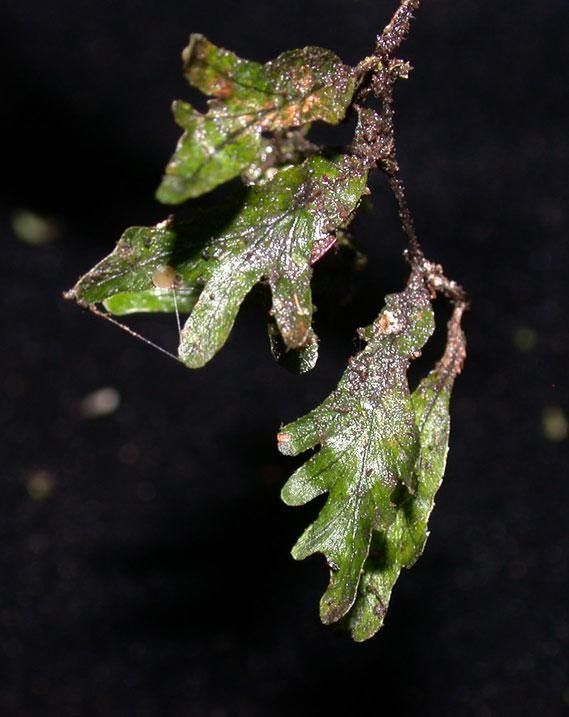
Unlocking the Secrets of the Bristle Fern: A Guide to Propagating Trichomanes angustifrons
The Trichomanes angustifrons, more casually referred to as the Bristle Fern, is a captivating plant with its delicate, translucent fronds and remarkable resilience. Found clinging to mossy rocks and damp forest floors, this epiphytic wonder is a prized possession for fern enthusiasts. While its ethereal beauty might seem intimidating to replicate, propagating Trichomanes angustifrons is a rewarding endeavor for those who appreciate the magic of watching life renew.
This guide dives into the methods to propagate this fascinating fern, providing you with the knowledge to expand your own collection or share the wonder with fellow plant lovers.
Understanding the Bristle Fern: A Foundation for Propagation
Before embarking on your propagation journey, it’s important to understand the unique biology of the Bristle Fern. This delicate fern doesn’t reproduce through seeds like many of its counterparts. Instead, it utilizes two primary methods:
-
Spore Propagation: Like most ferns, Trichomanes angustifrons produces spores, housed in tiny structures called sporangia on the underside of its fronds. These spores, when dispersed, can germinate and grow into new ferns under the right conditions.
- Division: Mature Bristle Ferns often form clumps with multiple growing points. These clumps can be carefully divided, creating individual plants that are ready to establish themselves.
Method 1: Spore Propagation – A Test of Patience and Precision
Propagating Bristle Fern from spores is a rewarding, albeit lengthy, process. Here’s how to do it:
Materials:
- Mature, spore-bearing Bristle Fern frond
- Clean, sterilized container with a lid (like a petri dish or plastic container)
- Distilled water
- Sphagnum moss or a peat-based seed starting mix
- Patience (lots of it!)
Instructions:
- Spore Collection: Carefully cut a mature frond with visible sporangia. Place it in a paper bag and allow it to dry for a few days. The spores will naturally release within the bag.
- Preparing the Spore Bed: Moisten the sphagnum moss or seed starting mix with distilled water, creating a humid environment.
- Sowing the Spores: Gently sprinkle the collected spores onto the damp medium, ensuring they are thinly dispersed. Do not bury them.
- Incubation: Cover the container to create a humid, greenhouse-like environment. Place it in a well-lit location, out of direct sunlight, maintaining a temperature of around 70-75°F (21-24°C).
- Patience is Key: Spore germination can take anywhere from a few weeks to several months. During this time, ensure the medium remains consistently moist by misting regularly with distilled water.
- Transplanting: Once the fern prothalli (small, heart-shaped structures) develop and produce small ferns, carefully transplant them into individual pots filled with a well-draining, acidic soil mix.
Method 2: Division – A Faster Path to New Ferns
Division is a simpler method, suitable for mature, well-established Bristle Ferns. Here’s a breakdown:
- Timing is Everything: The ideal time for division is during the spring or early summer when the plant is actively growing.
- Divide and Conquer: Carefully remove the fern from its pot. Gently tease apart the root ball, separating the plant into sections with healthy roots and several fronds.
- Repotting: Plant the divisions in individual pots filled with a well-draining, acidic soil mix. Water thoroughly and place them in a humid environment with indirect light.
Nurturing Your New Bristle Ferns:
Regardless of your chosen propagation method, caring for your new Bristle Ferns requires:
- Humidity: Maintain high humidity levels around the plants by misting frequently or using a humidifier.
- Watering: Keep the soil consistently moist but avoid overwatering, which can lead to root rot.
- Light: Provide bright, indirect light, mimicking their natural environment.
Propagating Trichomanes angustifrons might require a touch of patience and dedication, but the reward of witnessing these captivating ferns unfurl their fronds makes it a deeply fulfilling journey. So, embrace the challenge, and let the magic of propagation transform your home into a haven for these delicate wonders.