
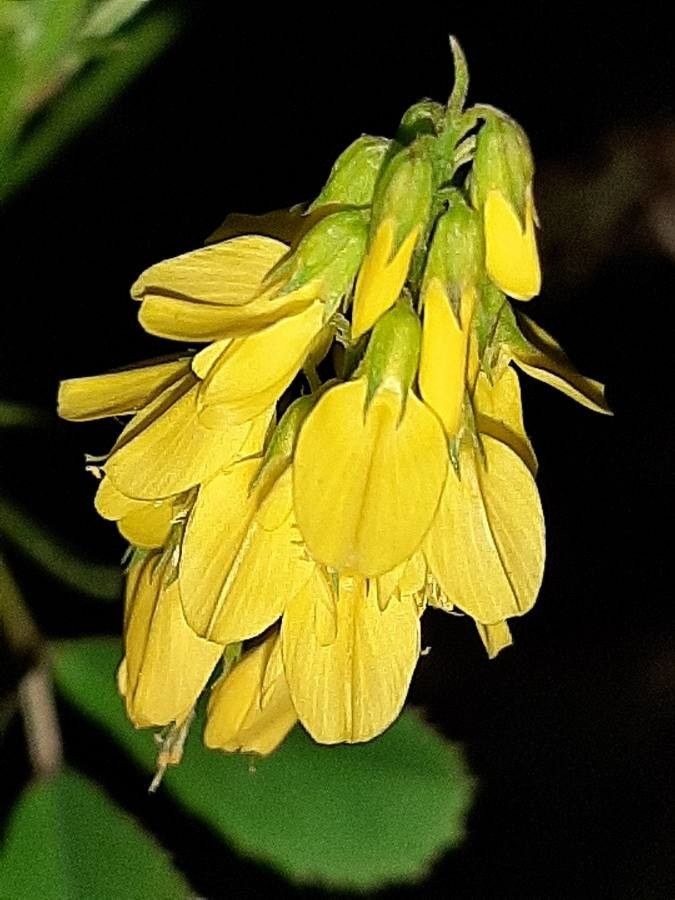
Propagating Fenugreek (Trigonella esculenta): A Gardener’s Guide
Introduction:
Trigonella esculenta, commonly known as fenugreek, is an annual herb prized for its distinctive aroma and culinary uses. Its leaves and seeds find their way into curries, breads, and traditional medicines worldwide. While readily available commercially as seeds, propagating fenugreek offers gardeners a rewarding challenge and the chance to cultivate specific varieties or build a robust supply. Fenugreek’s relatively straightforward cultivation, however, contrasts with the complexities its propagation can present. Its relatively short life cycle and tendency to self-seed extensively makes certain propagation methods more successful than others.
Seed Germination:
Seed germination is a viable method for propagating Trigonella esculenta. However, it presents challenges. Fenugreek seeds possess a hard seed coat that can inhibit water uptake, slowing germination. This can be overcome through scarification, which involves lightly nicking or abrading the seed coat with sandpaper or a file. Avoid excessively damaging the embryo.
Challenges: Inconsistent germination rates are common if scarification is not carefully performed or if the seeds are not fresh. Seed-borne diseases can also impact germination success.
Practical Tips: Sow seeds directly outdoors after the last frost, or start indoors 4-6 weeks before the last frost. Use well-draining soil, ensuring adequate moisture. Maintain temperatures between 65-75°F (18-24°C). Scarified seeds should be soaked in water for 12-24 hours before sowing. Thin seedlings to appropriate spacing once they establish themselves to allow for proper growth.
Rewards: Seed germination offers the greatest genetic diversity, allowing for the cultivation of a wider range of fenugreek varieties. This method is also ideal for large-scale propagation.
Cuttings:
Currently, there are no known reliable methods for propagation of Trigonella esculenta using cuttings. Fenugreek’s herbaceous nature and its annual lifecycle make it unsuitable for vegetative propagation via cuttings.
Division:
Division is not a practical method for propagating fenugreek. As an annual plant, it doesn’t form the type of extensive root system needed for successful division. Attempts at division will likely result in the death of the divided portions.
Tissue Culture:
While tissue culture could theoretically be used to propagate fenugreek, it’s not a commonly employed method for this species due to the ease and relative success of seed germination. The specialized equipment and expertise required make this method impractical for home gardeners. Furthermore, it’s not a necessary step given the ease with which fenugreek seeds can be obtained and germinated.
Conclusion:
Propagating Trigonella esculenta presents varying degrees of success depending on the method employed. While seed germination is the most viable and rewarding method, careful attention to detail—particularly seed scarification and proper sowing techniques—is crucial. The other methods, cuttings and division, are ineffective. Tissue culture is a possibility but presents an unnecessary complexity.
The unique satisfaction derived from cultivating fenugreek from seed lies in the direct connection to nature’s process. Overcoming the challenges of germination and nurturing those tiny seedlings into robust plants yields a profound sense of accomplishment. Don’t be discouraged by initial setbacks; experimentation and patience are key. Even with the potential difficulties, the simple act of growing your own fenugreek, from seed to harvest, offers an undeniably rich gardening experience.