
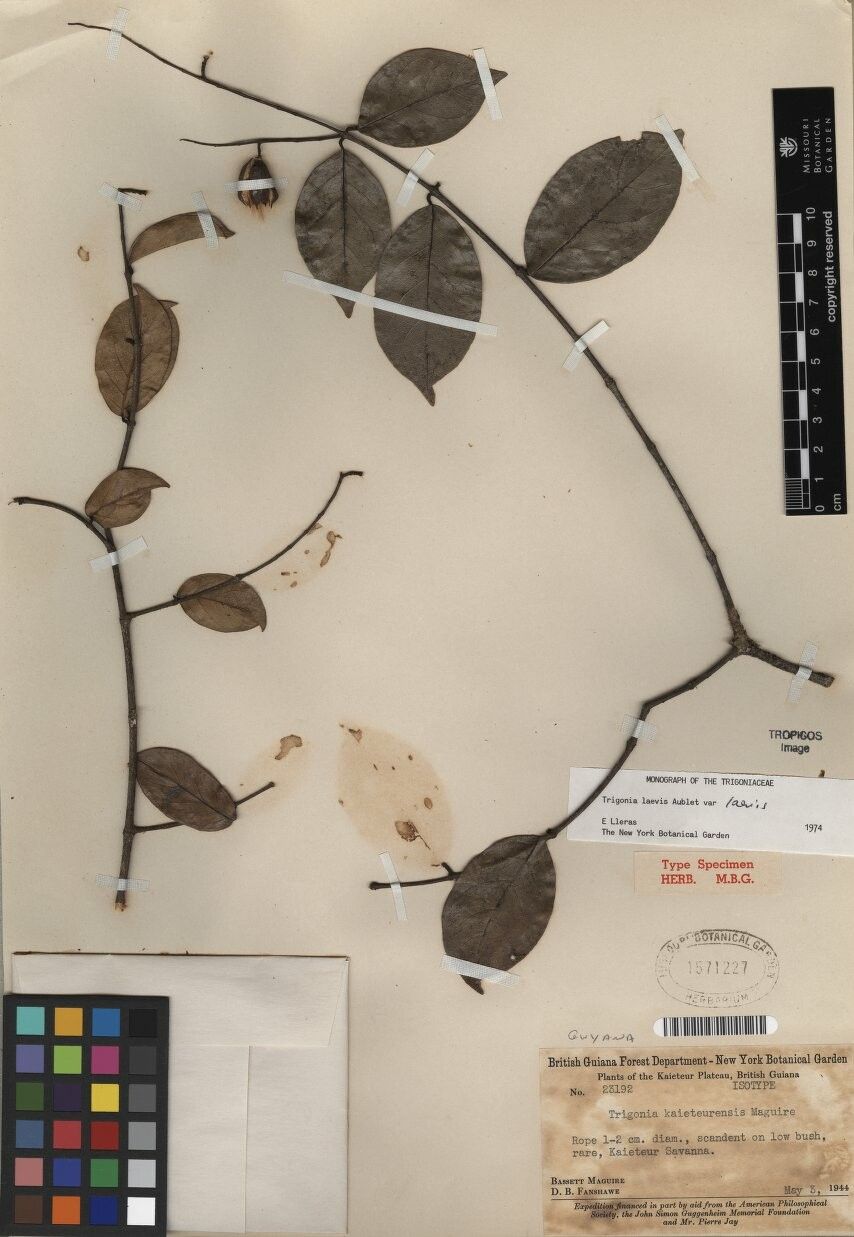
Unveiling the Mystery: How to Propagate the Exquisite Trigonia Laevis
The Trigonia laevis, with its delicate blooms and captivating foliage, is a true hidden gem in the plant world. Native to the tropical rainforests of South America, this exotic beauty can bring a touch of the Amazon to your own backyard. But propagating this rare species can feel like navigating uncharted territory. Fear not, fellow plant enthusiasts! This guide will equip you with the knowledge to cultivate new Trigonia laevis plants, unraveling the mysteries of its propagation.
The Two Paths: Seeds vs. Cuttings
Two primary methods exist for propagating Trigonia laevis: seeds and cuttings. Each approach comes with its own set of advantages and challenges.
1. The Seed Route: A Test of Patience
Propagating Trigonia laevis from seeds requires a patient hand and a sprinkle of luck. While rewarding, this method can be less reliable due to the seeds’ often low germination rate. Here’s how to embark on this gratifying journey:
- Source Fresh Seeds: Finding viable Trigonia laevis seeds is the first hurdle. Seek out reputable online vendors specializing in rare plants or connect with botanical gardens that might offer seeds for exchange.
- Mimic Nature’s Nursery: The key to successful seed germination lies in simulating the warm, humid conditions of the rainforest. Sow the seeds in a well-draining seed-starting mix, misting generously, and covering the container with a humidity dome or plastic wrap.
- Patience is Key: Germination can take anywhere from several weeks to a few months. Ensure the soil remains consistently moist and provide bright, indirect light. Don’t lose heart if some seeds don’t sprout; it’s all part of the adventure!
2. The Cutting Edge: A Quicker Path
Propagating Trigonia laevis from cuttings offers a faster and often more successful alternative to seeds. This method involves encouraging root development from a section of the parent plant:
- Timing is Everything: Take cuttings during the plant’s active growing season, ideally in late spring or early summer.
- Choose Wisely: Select healthy, semi-hardwood stems that are about 4-6 inches long. Look for stems with at least two nodes (the points where leaves emerge).
- Create the Ideal Environment: Remove the lower leaves from the cutting and dip the cut end in rooting hormone to encourage root development. Plant the cutting in a well-draining potting mix and maintain high humidity using a humidity dome or a clear plastic bag.
- Watch for Growth: New growth is a welcome sign that your cutting has successfully rooted, usually within 4-6 weeks. Once the cutting exhibits robust growth, you can transplant it to a larger pot.
Nurturing Your New Trigonia Laevis
Regardless of your chosen propagation method, young Trigonia laevis plants require attentive care:
- Light: Provide bright, indirect light. Avoid direct sunlight, as it can scorch the delicate leaves.
- Water: Maintain consistently moist soil, but avoid overwatering which can lead to root rot.
- Humidity: As a rainforest native, Trigonia laevis thrives in humid environments. Regular misting or using a humidifier can create a favorable microclimate.
- Support: Provide a trellis or stake for this climbing vine to encourage vertical growth and showcase its exquisite blooms.
Propagating Trigonia laevis is a labor of love, a testament to your dedication as a plant enthusiast. With patience, care, and the right knowledge, you can successfully navigate the journey from seed or cutting to a flourishing, exotic masterpiece.