
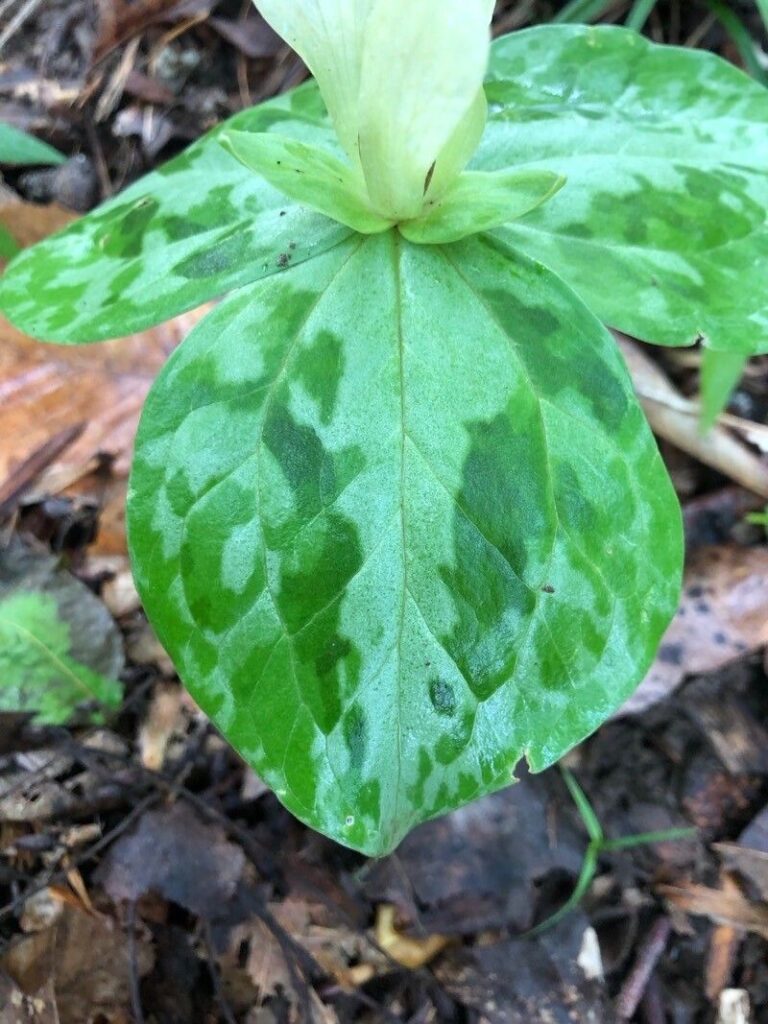
Unveiling the Secrets of Trillium Discolor Propagation: A Guide to Cultivating This Rare Beauty
Trillium discolor, with its whimsical mottled leaves and delicate, lemony blooms, is a captivating addition to any woodland garden. This rare southeastern US native, also known as the mottled trillium or pale yellow trillium, presents a rewarding, albeit patient, challenge for plant enthusiasts looking to propagate it.
While acquiring Trillium discolor from reputable nurseries is recommended, propagation offers a fulfilling way to expand your collection and contribute to the preservation of this unique species. Let’s explore the two primary methods:
1. Seed Propagation: A Labor of Love
Propagating Trillium discolor from seed is a test of patience, often taking two growing seasons for germination and several years for the plant to reach flowering maturity. However, the process offers a deep connection with the plant’s life cycle and can be incredibly rewarding. Here’s how:
- Seed Collection: Harvest seeds in late summer when the seed pods turn a deep red and soft. Gently open the pods to collect the fleshy seeds.
- Immediate Sowing: Trillium seeds have a short viability period and germinate best when sown fresh. Plant them directly in well-draining soil, rich in organic matter, and lightly cover with a layer of leaf mulch.
- Patience is Key: Place the pots in a shady location and keep the soil consistently moist. Germination can take up to two years. Once seedlings emerge, continue to provide shade and moisture.
2. Division: Sharing the Beauty
For a quicker and more predictable approach, division is the preferred method for propagating Trillium discolor. It takes advantage of the plant’s natural tendency to form clumps over time.
- Timing is Crucial: Divide established clumps in late summer or early fall after the foliage starts to die back. This allows the plant ample time to establish new roots before winter dormancy.
- Careful Excavation: Gently dig up the entire clump, ensuring to preserve the fragile root system. Choose a well-drained location with partial to full shade.
- Division and Replanting: Carefully separate the rhizomes, ensuring each division has healthy roots and at least one growth point. Replant at the same depth they were originally growing, spacing them about 12 inches apart.
- Watering and Mulch: Water thoroughly after replanting and apply a layer of organic mulch to retain moisture and regulate soil temperature.
Nurturing Your Trillium Discolor
Regardless of your chosen propagation method, providing the right growing conditions is crucial for success. Trillium discolor thrives in well-drained, humus-rich soil with a slightly acidic to neutral pH. They prefer dappled shade or morning sun with afternoon shade. Consistent moisture is essential, especially during the growing season, but avoid overwatering which can lead to root rot.
Propagating Trillium discolor: A Rewarding Endeavor
While propagating this stunning species requires patience and care, the rewards are well worth the effort. By understanding the plant’s unique life cycle and providing the right conditions, you can enjoy the subtle beauty of Trillium discolor for years to come and contribute to the preservation of this botanical treasure.