
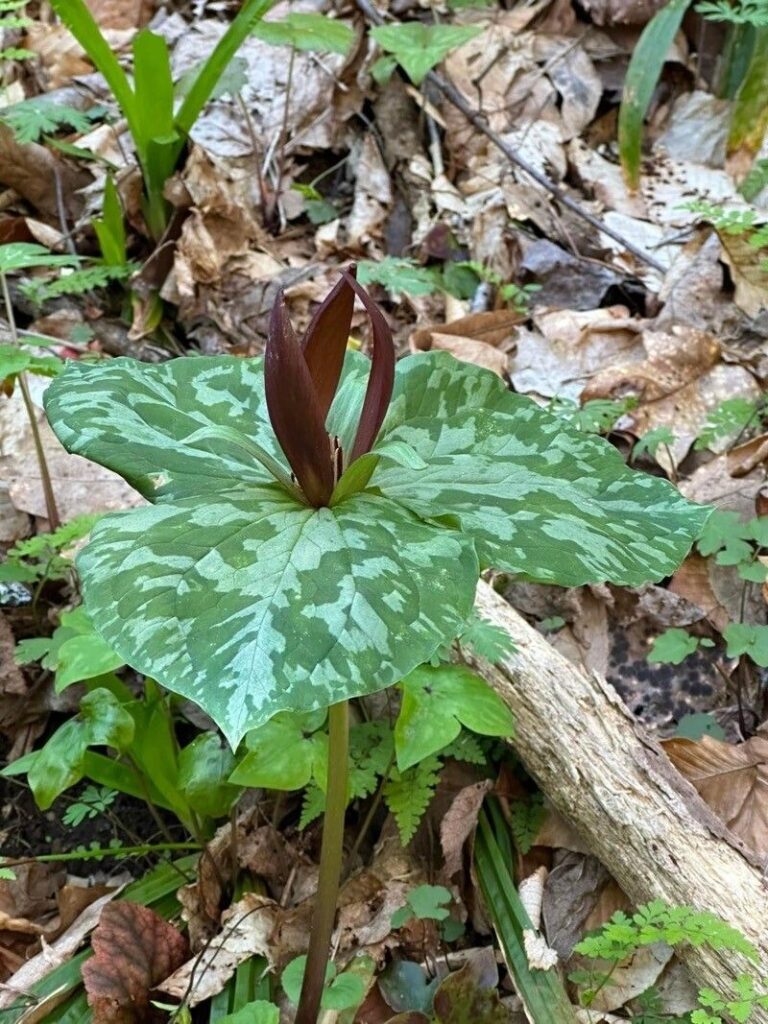
Unlocking the Secrets of Spotted Trillium Propagation: A Guide for the Patient Gardener
The mottled leaves and elegant flower of the Trillium maculatum, more commonly known as the Spotted or Mottled Trillium, have captivated woodland gardeners for generations. But despite their captivating beauty, these ephemeral spring ephemerals are notorious for being notoriously slow to propagate. If you long to cultivate a thriving colony of these woodland treasures, patience and a touch of finesse are key.
The Slow, Steady Path: Understanding Trillium Growth
Before diving into propagation methods, it’s crucial to understand the life cycle of Trillium maculatum. These perennial wildflowers emerge in early spring, unfurling their speckled foliage before showcasing their striking, maroon-spotted flowers. After blooming, the plants set seed and slowly fade back into dormancy as summer approaches, relying on their underground rhizomes to store energy for the following year.
This slow growth pattern, particularly from seed, is important to keep in mind. Patience is a virtue when it comes to Trillium maculatum, as it can take several years for seeds to germinate and even longer for the plants to reach flowering size.
Propagation Methods: Seeds vs. Division
1. The Seed Route: A Long-Term Investment
Propagating Trillium maculatum from seed is a rewarding, albeit lengthy, process. Here’s how it works:
- Seed Collection: Collect ripe seeds in late spring or early summer, identifiable by their fleshy, red-orange elaiosomes (attached to the seed).
- Sowing: Sow the seeds immediately in a seed tray or directly in prepared garden beds. Use a well-draining, humus-rich soil mix that mimics their woodland habitat.
- Patience is Paramount: It can take one to two years for the seeds to germinate, forming a small corm. Keep the seed tray consistently moist and shaded.
- Transplanting: Once seedlings develop several true leaves, they can be carefully transplanted to their permanent location.
2. Division: A Quicker, More Delicate Approach
Dividing established Trillium clumps is a faster method, but it requires caution to avoid damaging the plants:
- Timing is Key: Divide in late summer or early fall when the plants are dormant.
- Careful Excavation: Gently dig up the clump, ensuring you unearth the entire rhizome system.
- Division: Using a clean, sharp knife, carefully divide the rhizome into sections, ensuring each section has at least one growth point.
- Replanting: Replant the divisions immediately at the same depth they were growing, ensuring adequate spacing between each plant.
Caring for Your Propagated Trillium
Whether you choose seed propagation or division, providing the right environment is crucial for success:
- Shady Sanctuary: Replicate their natural habitat by providing partial to full shade.
- Well-Drained Soil: Choose a location with humus-rich, well-drained soil that retains moisture without becoming waterlogged.
- Leave Them Be: Once established, Trillium maculatum prefers to be left undisturbed.
A Rewarding Endeavor
Propagating Trillium maculatum is a labor of love, demanding patience and a nurturing hand. But the reward of witnessing these elegant wildflowers grace your garden year after year makes it a truly worthwhile endeavor for any plant enthusiast. Remember, with the right knowledge and a little dedication, you too can unlock the secrets of propagating these woodland treasures.