
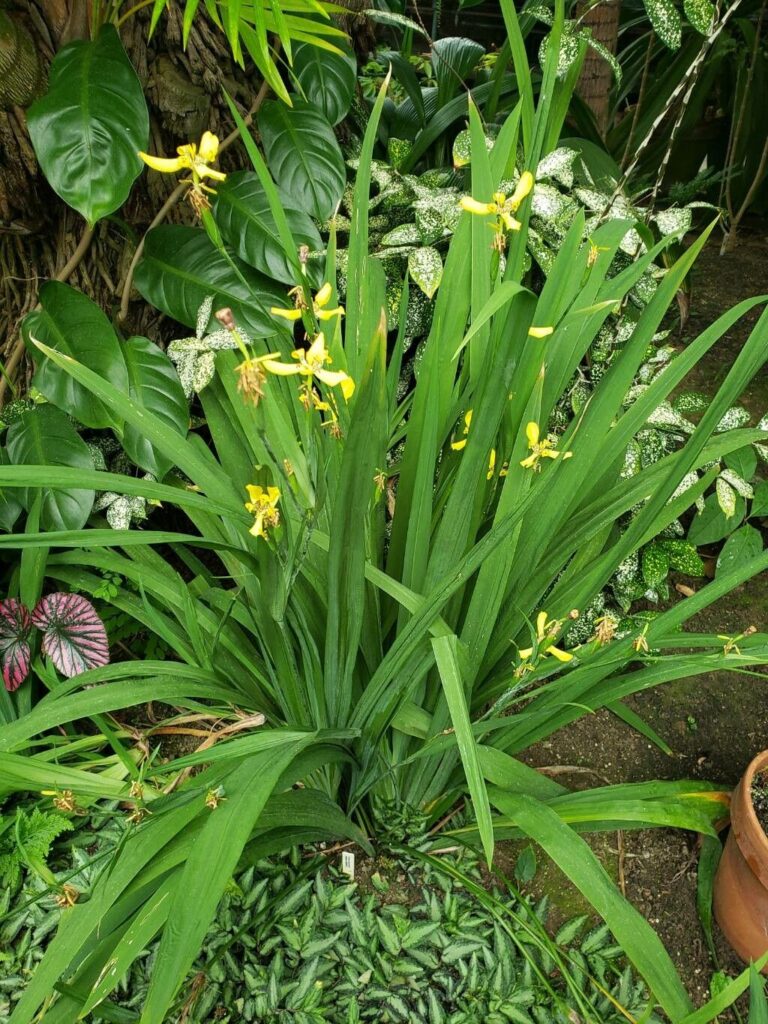
Unlocking the Secrets of Trimezia Steyermarkii: A Propagation Guide
Trimezia steyermarkii, also known as the Yellow Walking Iris, is a vibrant and easy-to-grow plant that brings a touch of the tropics to any garden. Native to Central and South America, this perennial produces showy yellow flowers with delicate brown markings, bringing joy throughout the warmer months. But did you know that expanding your Trimezia collection can be as simple as a walk in the park? Let’s delve into the world of Trimezia steyermarkii propagation, and discover how you can easily multiply your floral treasures.
Understanding the Walk of the Iris
The name “Walking Iris” might sound strange, but it’s directly related to the plant’s unique propagation method. As the flower stalk matures and fades, a small plantlet emerges at its tip. This new plantlet grows heavier, eventually bending the stalk towards the ground. Once the plantlet touches the soil, it takes root, effectively “walking” away from the mother plant and establishing itself as a new individual.
Propagation Methods: Letting Nature Take Its Course (and Lending a Hand)
-
Natural Division: The most effortless way to propagate Trimezia steyermarkii is by simply allowing nature to run its course. As your plant matures, it will naturally produce plantlets, effectively cloning itself and expanding your collection with minimal effort. Once a plantlet establishes a good root system, you can gently separate it from the mother plant and pot it up individually.
-
Division of Rhizomes: For faster multiplication, you can divide established clumps of Trimezia steyermarkii by separating the rhizomes. Here’s how:
- Timing is key: The optimal time for division is during the plant’s dormant period, typically in fall or early spring.
- Gentle separation: Carefully dig up the clump, ensuring minimal damage to the rhizomes.
- Sharp tools, clean cuts: Use a sharp, sterilized knife or pair of scissors to divide the rhizomes, ensuring each section has a healthy fan of leaves and roots.
- Replanting: Replant the divisions at the same depth they were originally growing, ensuring adequate spacing for future growth.
-
Seed Propagation (For the Patient Gardener): While Trimezia steyermarkii readily produces seeds, germination can be slow and less predictable compared to division. If you’re feeling adventurous and patient, here’s how to try your hand at seed propagation:
- Seed collection: Collect seeds from mature seed pods once they turn brown and dry.
- Surface sowing: Sow the seeds on the surface of well-draining soil mix.
- Light, warmth, and moisture: Provide bright, indirect light, consistent warmth (around 70-75°F), and keep the soil evenly moist but not waterlogged.
- Germination: Be patient! Germination can take several weeks to even a few months.
Tips for Success
- Well-draining soil: Trimezia steyermarkii thrives in loose, well-draining soil that mimics its natural habitat. Avoid heavy clay soils that can lead to root rot.
- Bright, indirect light: Provide your plants with ample bright, indirect light. While they can tolerate some shade, full sun exposure may scorch their leaves, especially in hotter climates.
- Water wisely: These resilient plants are fairly drought-tolerant once established. Water deeply when the soil is dry to the touch, but avoid overwatering, which can lead to root problems.
- Fertilize regularly: Support healthy growth and abundant blooming by fertilizing regularly during the growing season with a balanced, water-soluble fertilizer.
Propagating your Trimezia steyermarkii is a rewarding experience that allows you to expand your collection and share the beauty of this tropical gem with others. So go ahead, put your propagation skills to the test, and enjoy the vibrant blooms of the Yellow Walking Iris for years to come!