
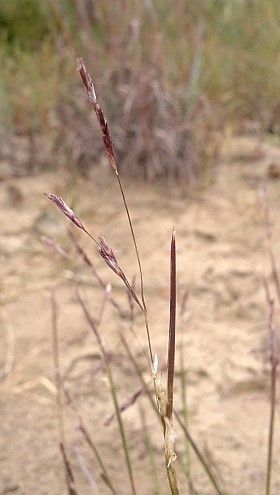
Spreading the Purple Love: Propagating Sand Pink Grass (Triplasis purpurea)
Sand pink grass, with its charming name and delicate beauty, might not be the first plant that comes to mind when you think of landscaping. But this native grass, scientifically known as Triplasis purpurea, has a lot to offer, from graceful foliage that takes on pink hues in the fall to its value as a drought-tolerant, low-maintenance ground cover.
If you’re looking to introduce this unique plant to your garden or expand its presence, propagation is surprisingly simple. Let’s explore the two main methods:
1. Seed Starting: A Journey from Tiny Seeds to Lush Grass
Starting sand pink grass from seed is a rewarding process that allows you to witness its life cycle firsthand. Here’s a step-by-step guide:
- Timing is Key: Aim to sow your seeds outdoors in the fall, shortly after the last frost. This mimics the natural cycle and allows for cold stratification, which helps with germination.
- Preparation Makes Perfect: Choose a sunny or partially shaded spot in your garden with well-drained soil. Sprinkle the seeds on the surface, as they need light to germinate.
- Patience, Young Padawan: Water the area gently and keep the soil consistently moist. Germination can take a while, so don’t worry if you don’t see sprouts right away.
- Thinning Out the Crowd: Once the seedlings have a few inches of growth, thin them out to give each plant adequate space (about 12-18 inches apart).
2. Division: Sharing is Caring for Your Grass
Division is a great way to propagate your existing sand pink grass clump and encourage healthy growth. Follow these steps:
- The Right Time: Divide in early spring before new growth emerges.
- Digging Deep: Carefully dig around the clump, ensuring you get a good root system.
- Separation Anxiety? Gently pull apart the clump into smaller sections, each with a healthy amount of roots and shoots.
- New Beginnings: Replant the divisions at the same depth they were previously growing, ensuring they are well-spaced. Water thoroughly after planting.
Beyond Propagation: Caring for your Sand Pink Grass
Once established, sand pink grass is incredibly low maintenance. Here are some tips to ensure its success:
- Watering: While relatively drought-tolerant once established, occasional watering will encourage healthy growth, especially during dry periods.
- Fertilizing: Sand pink grass thrives in leaner soil and generally doesn’t require additional fertilization.
- Pests & Diseases: This hardy grass has minimal pest or disease issues.
From its delicate beauty to its resilience and adaptability, sand pink grass is a fantastic choice for adding texture and visual interest to your garden. And with these simple propagation methods, you can easily expand its presence and enjoy its charm for years to come.