
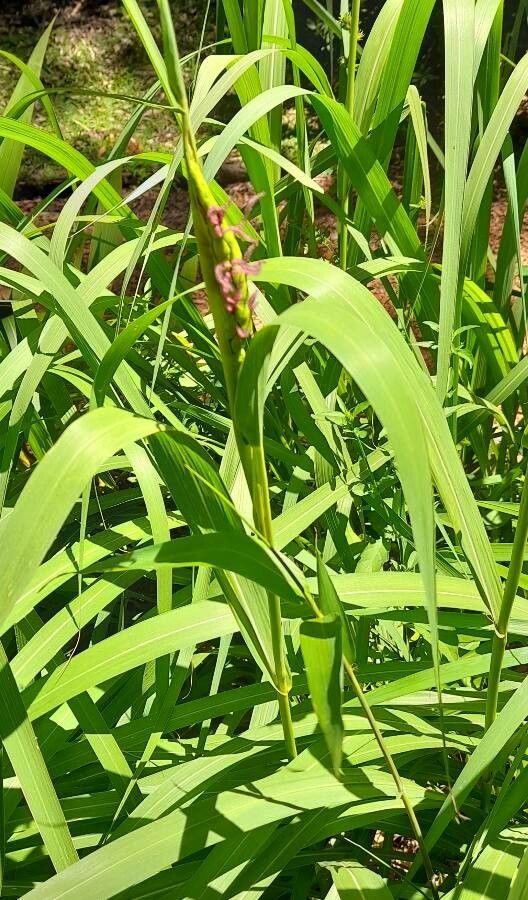
Taming the Eastern Gamagrass: A Guide to Propagating Tripsacum dactyloides
Eastern gamagrass (Tripsacum dactyloides), with its impressive height and striking seed heads, is more than just a pretty face in the prairie. This North American native boasts incredible resilience, making it a popular choice for erosion control, wildlife habitat, and even livestock forage. But how do you go about inviting this graceful giant into your own backyard? Let’s explore the world of Tripsacum dactyloides propagation!
Two Roads to Gamagrass Glory: Seeds vs. Divisions
Tripsacum dactyloides can be propagated in two primary ways: seeds and divisions. Each approach has its own rhythm and offers distinct advantages:
1. Starting from Seed: A Test of Patience
Propagating Eastern gamagrass from seed is the more economical route, but it demands a bit of patience. Here’s what you need to know:
- Timing is Everything: For best results, sow seeds in late fall to early winter. This allows the seeds to undergo natural stratification, a period of cold-moist conditions that breaks their dormancy and promotes germination come spring.
- Sowing the Seeds: Scatter seeds on the surface of prepared soil, ensuring good seed-to-soil contact. Since gamagrass seeds are light-sensitive, avoid burying them too deeply.
- Patience, Young Padawan: Germination can take anywhere from a few weeks to a couple of months. During this time, keep the soil consistently moist but not waterlogged.
2. Dividing and Conquering: A Faster Approach
If you’re seeking quicker establishment, dividing existing clumps of gamagrass is the way to go. This method is best suited for established plants that are at least 3-4 years old. Follow these steps:
- Digging Deep: Using a sharp spade or shovel, carefully dig around the perimeter of the clump you wish to divide.
- Separation Anxiety: Once loosened, gently separate the clump into smaller sections, ensuring each division has a good amount of roots and shoots.
- New Beginnings: Transplant the divisions into their new homes, ensuring the crown of the plant (where the roots meet the shoots) is level with the soil surface. Water well and watch your gamagrass flourish.
Tips for Triumphant Tripsacum
No matter your chosen propagation method, keep these tips in mind for a successful gamagrass experience:
- Sun Seeker: Tripsacum dactyloides thrives in full sun, so choose a location that receives at least 6 hours of direct sunlight each day.
- Well-Drained Haven: While this grass tolerates some drought, it prefers well-drained soil. Amend heavy clay soils with organic matter to improve drainage.
- Watering Wisdom: Water deeply and less frequently to encourage deep root development. Once established, gamagrass is relatively drought-tolerant.
- Pest Patrol: Eastern gamagrass is generally pest-free, but keep an eye out for common garden critters and address any issues promptly.
Beyond Propagation: Reap the Rewards
Propagating your own Tripsacum dactyloides is a rewarding journey. Not only will you be adding a touch of natural beauty to your landscape, but you’ll also be contributing to the wellbeing of local ecosystems. This durable and adaptable grass provides food and shelter for wildlife, controls erosion, and adds a touch of graceful movement to any landscape. So put on your gardening gloves, embrace the spirit of propagation, and watch your very own stand of Eastern gamagrass flourish!