
Propagating Triteleia hendersonii: A Gardener’s Guide to the Henderson’s Checker Lily
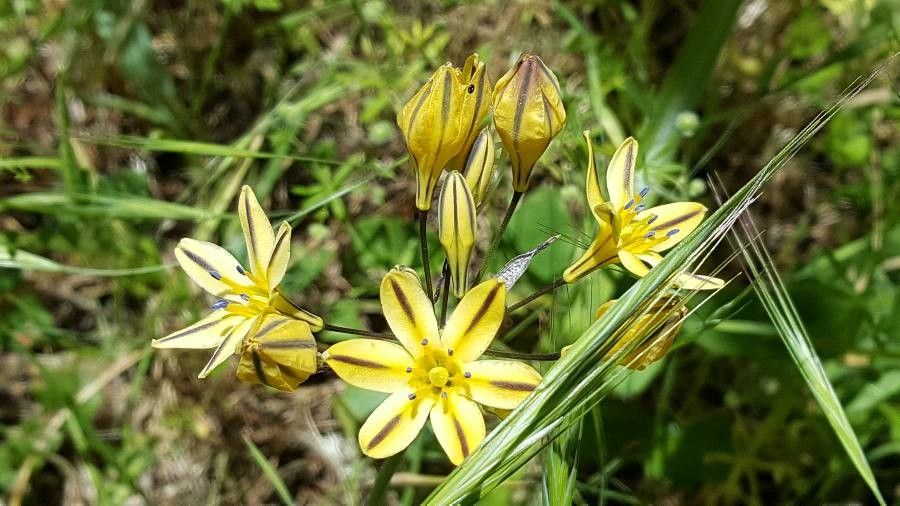
Triteleia hendersonii, commonly known as Henderson’s Checker Lily, is a captivating bulbous perennial prized for its striking, star-shaped flowers adorned with distinctive dark-centered checkers. Native to California, its vibrant blooms, typically in shades of blue-violet, lavender, or even white, make it a highly sought-after addition to rock gardens, borders, and wildflower meadows. Its relatively compact size and drought tolerance further enhance its horticultural appeal. However, propagating this beauty presents unique challenges, making successful cultivation all the more rewarding.
Seed Germination:
Currently, there are no known reliable methods for seed germination propagation of Triteleia hendersonii. While the plant does produce seeds, their germination rate is notoriously low, often requiring very specific, and yet-to-be-fully-understood, environmental conditions. Further research is needed to establish consistent and successful seed germination protocols for this species.
Cuttings:
Cuttings are not a viable method for propagating Triteleia hendersonii. This plant does not readily produce adventitious roots from stem or leaf cuttings.
Division:
Division is the most reliable and commonly practiced method for propagating Triteleia hendersonii. This involves carefully separating the bulb clumps into individual bulbs or smaller clumps after the plant has finished flowering and the foliage has begun to die back (usually late summer/early autumn).
Challenges: The bulbs are relatively small and fragile, making careful handling crucial to avoid damage. Improper division can lead to reduced flowering or even death of the divided sections.
Practical Tips: Gently dig up the clump, carefully working the soil away from the bulbs. Use a sharp knife or trowel to separate the bulbs, ensuring each division has a portion of roots and healthy foliage. Replant the divisions immediately, ensuring good soil contact and spacing appropriate to the bulb size.
Rewards: This method ensures the propagation of genetically identical plants, preserving desirable traits. It’s relatively quick and straightforward compared to other methods, promising a faster increase in plant numbers.
Tissue Culture:
Tissue culture propagation of Triteleia hendersonii is theoretically possible, but not widely practiced due to the specialized knowledge and laboratory equipment required.
Challenges: Establishing sterile culture conditions and identifying optimal growth media and hormone concentrations for successful shoot multiplication and rooting are considerable hurdles. This method is resource-intensive and may require significant trial and error.
Practical Tips: This method falls under the realm of advanced plant propagation and is not recommended for the home gardener. It requires specialized training and equipment.
Rewards: Tissue culture offers the potential for large-scale propagation, providing a significant number of plants from a small initial sample. It also allows for rapid multiplication of rare or desirable cultivars.
Conclusion:
Propagating Triteleia hendersonii presents unique challenges, primarily due to difficulties with seed germination and the incompatibility with vegetative propagation methods like cuttings. Division remains the most practical and effective approach for the average gardener. While the potential rewards of large-scale propagation via tissue culture exist, the method’s complexity limits its accessibility.
The success in cultivating this beautiful plant from a division, after carefully handling its fragile bulbs, is a testament to patience and perseverance. Understanding the limitations and choosing the appropriate method – in this case, division – is crucial for success. While the rewards may not be immediate, the satisfaction of nurturing this delicate plant and witnessing its striking blooms is a uniquely fulfilling experience that provides ample encouragement for aspiring propagators.