
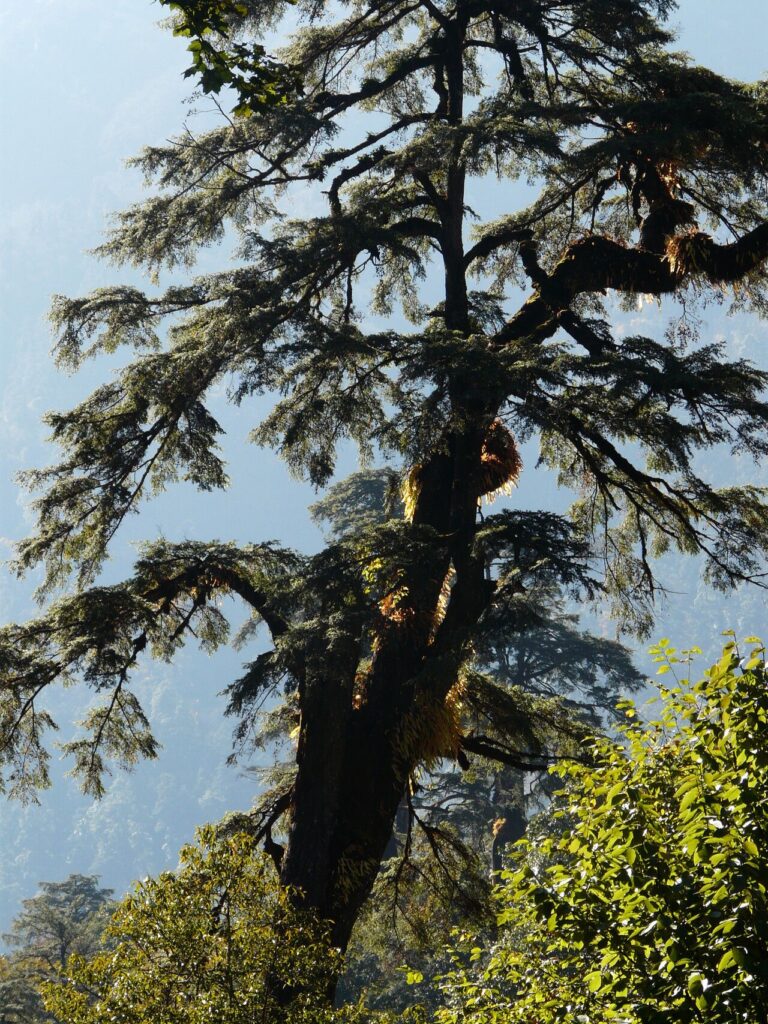
Unveiling the Secrets of Himalayan Hemlock Propagation: A Guide to Growing Tsuga dumosa
The Himalayan Hemlock, known scientifically as Tsuga dumosa, is a majestic evergreen conifer native to the high altitudes of the Himalayas. Its drooping branches adorned with delicate, feathery needles evoke a sense of tranquility and beauty, making it a coveted specimen for conifer enthusiasts. While acquiring a mature Tsuga dumosa can be challenging, propagating this graceful tree is a rewarding endeavor for patient gardeners.
Two Paths to Propagation: Seeds vs. Cuttings
There are two primary methods for propagating Tsuga dumosa:
1. Seed Propagation: This method offers the satisfaction of witnessing the entire life cycle of your tree. However, it requires more time and dedication.
- Seed Collection and Preparation: Collect mature cones in autumn and store them in a warm, dry place until the seeds are released. Cold stratify the seeds for 30-60 days in moist peat moss to simulate natural winter conditions and improve germination rates.
- Sowing and Germination: Sow the stratified seeds in a well-draining seed-starting mix, barely covering them with soil. Provide consistent moisture and bright, indirect light. Germination can be erratic, taking anywhere from a few weeks to several months.
- Seedling Care: Once germinated, ensure adequate air circulation to prevent fungal diseases. Gradually acclimatize the seedlings to outdoor conditions before transplanting them to larger containers or a prepared garden bed.
2. Propagation from Cuttings: This method allows for faster establishment and ensures the genetic integrity of the parent plant.
- Timing is Key: Take semi-hardwood cuttings from healthy, vigorous shoots in late summer or early fall. Choose branches that are partially mature, with firm wood and flexible tips.
- Cuttings Preparation: Trim the cuttings to 4-6 inches long, removing the lower needles to prevent rot. Wound the base of the cuttings lightly to expose the cambium layer and dip them in rooting hormone powder.
- Planting and Rooting: Plant the cuttings in a well-draining rooting medium consisting of perlite, vermiculite, and peat moss. Maintain high humidity by enclosing the cuttings in a propagation chamber or covering the pot with a clear plastic bag.
- Transplanting: Once the cuttings develop a robust root system, usually within 8-12 weeks, transplant them to larger containers or a sheltered outdoor location.
Providing the Ideal Environment for Success
Regardless of the method you choose, providing the right environment is crucial for successful Tsuga dumosa propagation.
- Well-Drained Soil: These trees thrive in slightly acidic, well-drained soil. Amend heavy clay soils with organic matter to improve drainage.
- Partial Shade: Young Tsuga dumosa prefer partial shade, especially during hot afternoons.
- Consistent Moisture: Maintain consistent soil moisture, especially during the first few years after propagation. However, avoid overwatering, which can lead to root rot.
- Protection from Extreme Weather: Protect young trees from strong winds, heavy snowfall, and late frosts.
Reaping the Rewards of Patience
Propagating Tsuga dumosa may require patience and diligence, but the reward of nurturing a majestic Himalayan Hemlock from seed or cutting to a thriving tree is immeasurable. Embrace the journey, provide the right conditions, and you will be rewarded with the elegance and grace this conifer brings to any landscape for generations to come.