
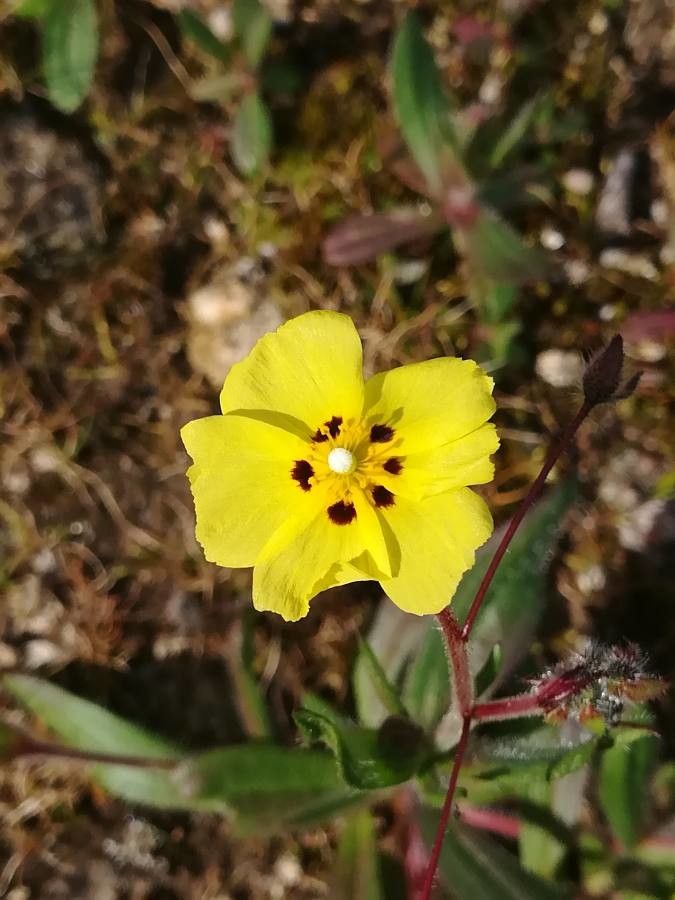
Spotting Success: A Guide to Propagating the Charming Tuberaria guttata
The Tuberaria guttata, also known as the Spotted Rock-rose, is a charming little wildflower that brightens up rocky landscapes with its sunny yellow blooms. Native to Western Europe and parts of North Africa, this resilient plant is a favorite among gardeners who appreciate its delicate beauty and adaptability. If you’re eager to introduce this little ray of sunshine to your own garden, propagation is surprisingly straightforward.
This guide delves into the two main methods of propagating Tuberaria guttata:
1. Seed Propagation:
- Sourcing Seeds: Tuberaria guttata seeds can be purchased online or from specialist nurseries. Alternatively, you can collect them from existing plants in the wild (ensuring you have permission if on private land).
- Sowing Time: Sow seeds in spring after the last frost, either directly outdoors or indoors for later transplanting.
- Direct Sowing: Scatter seeds thinly over well-drained, sandy soil in a sunny location. Gently press the seeds into the surface without completely burying them, as they require light to germinate.
- Indoor Sowing: Use seed trays or pots filled with a well-draining seed compost. Sprinkle seeds on the surface and lightly mist with water. Cover with a propagator lid or plastic wrap to retain moisture and place in a bright location out of direct sunlight.
- Germination: Be patient! Germination can take anywhere from a few weeks to a couple of months.
- Thinning: Once seedlings develop a few true leaves, thin them out to give each plant ample space to grow (ideally 15-20 cm apart).
2. Cuttings:
- Timing is Key: Take softwood cuttings in late spring or early summer when the plant is actively growing.
- Taking the Cutting: Choose a healthy, non-flowering stem and using a sharp, sterilized knife or pruners, cut a section about 10-15 cm long just below a leaf node.
- Preparing the Cutting: Remove the lower leaves from the cutting, leaving only 2-3 leaves at the top.
- Potting Up: Dip the cut end in rooting hormone (optional but recommended) and plant it in a small pot filled with a well-draining potting mix.
- Creating Humidity: Cover the pot with a clear plastic bag or use a propagator to create a humid environment. This will help the cutting retain moisture.
- Rooting Time: Place the pot in a bright location away from direct sunlight. Roots should develop within a few weeks.
- Transplanting: Once the cutting shows signs of new growth, carefully transplant it into a larger pot or directly into the garden.
Tips for Success:
- Well-Draining Soil: Tuberaria guttata thrives in rocky, well-drained soil. Avoid heavy clay soils that retain moisture.
- Sunlight is Essential: Choose a location that receives at least 6 hours of sunlight per day.
- Watering Wisely: Water regularly after planting, but be careful not to overwater. Once established, the plant is relatively drought-tolerant.
By following these guidelines, you’ll be well on your way to cultivating a flourishing patch of Tuberaria guttata. Enjoy the cheerful presence of these charming wildflowers as they brighten your garden year after year.