
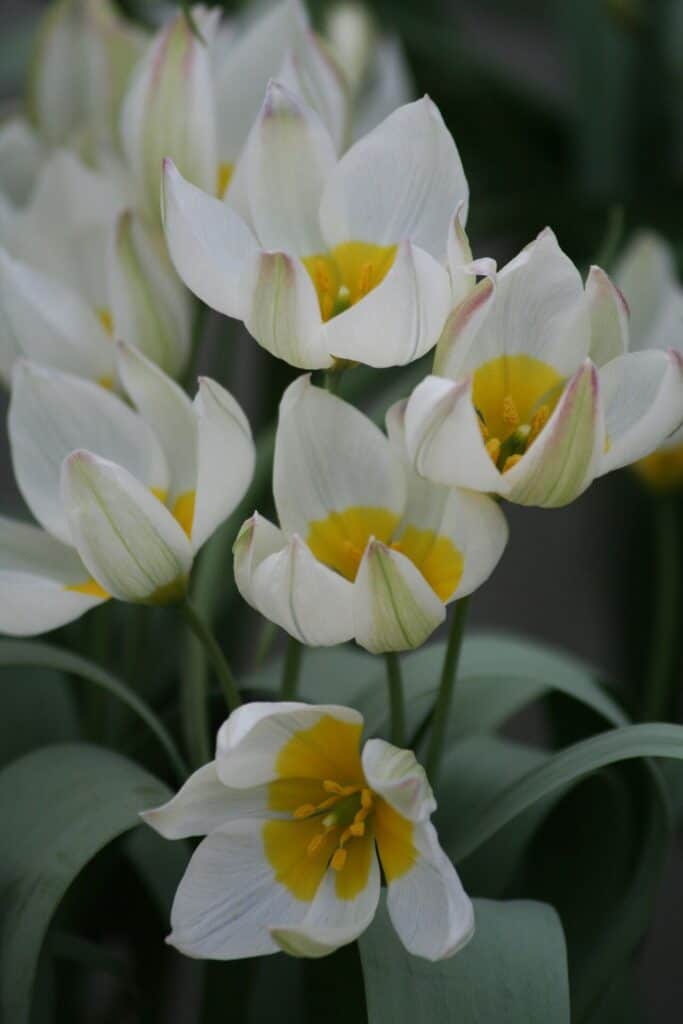
Double the Delight: Propagating the Charming Tulipa biflora
The world of tulips is a vibrant one, bursting with color and variety. While many gardeners are familiar with the bold, single-flowered varieties, fewer have encountered the delicate charm of the Tulipa biflora. As its name suggests, this delightful species produces two or more flowers per slender stem, creating a whimsical and airy effect in the spring garden. If you’re looking to expand your tulip collection or simply want to multiply the beauty of an existing clump, propagating Tulipa biflora is a rewarding endeavor. Let’s explore the two primary methods:
1. Offsets: Uncovering Nature’s Hidden Gems
The easiest and most common way to propagate Tulipa biflora is through offsets. These are small, genetically identical bulbs that develop around the base of the mother bulb. Over time, a mature bulb will naturally form a cluster of offsets, leading to a denser display of flowers.
Here’s how to propagate using offsets:
- Timing is Key: The ideal time to lift and divide the bulbs is in late summer or early fall, after the foliage has naturally withered and died back. This allows the bulbs to replenish their energy stores before winter.
- Gentle Excavation: Carefully dig around the clump of bulbs, ensuring you don’t damage any roots. Lift the entire clump from the ground.
- Separation with Care: Gently twist or tease apart the offsets from the mother bulb. Choose offsets that are firm and plump, discarding any that appear soft or damaged.
- Replanting: Replant the offsets immediately in well-drained soil, spacing them about 4-6 inches apart and at a depth of about 4 inches. Water them well and be sure to mark their location for next spring’s show!
2. Seed Propagation: Embracing the Element of Surprise
While slightly more challenging and time-consuming, propagating Tulipa biflora from seed offers a unique opportunity to potentially witness new and exciting variations in flower color and form.
Here’s a glimpse into the world of seed propagation:
- Harvesting the Pods: After the flowers fade, allow the seed pods to ripen and dry on the plant. Once they turn brown and brittle, carefully collect and store them in a cool, dry place.
- Sowing Season: Sow the seeds in fall, either directly into the ground or in seed trays filled with well-draining seed starting mix.
- Patience is a Virtue: Be patient, as it can take several years for seedlings to reach flowering size. Ensure they receive adequate water and protection from extreme weather during this time.
Nurturing Your New Generations:
Whether you choose to propagate through offsets or seeds, remember that Tulipa biflora, like all tulips, thrives in well-drained soil and full sun to partial shade. Regular watering during the growing season is crucial, but avoid overwatering which can lead to bulb rot.
Propagating your own Tulipa biflora is not only a cost-effective way to expand your garden but also a deeply satisfying experience. As you witness your efforts bloom into a profusion of delicate, multi-flowered stems, you’ll be reminded of the magic and wonder of the plant world.