
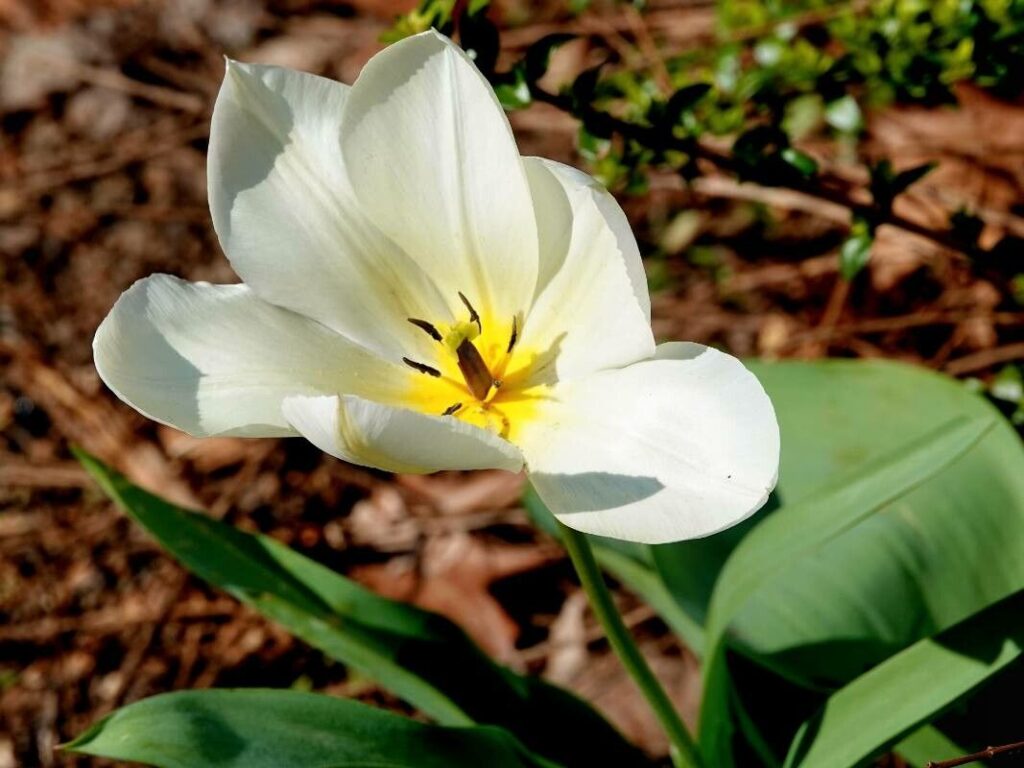
From One Tulip to Many: Exploring the World of Tulipa Fosteriana Propagation
Tulipa fosteriana, with its vibrant, large blooms and striking colors, is a beloved addition to any garden. But did you know you can easily expand your collection of these captivating flowers by propagating them yourself? This practice, known as propagation, allows you to create new plants from existing ones, resulting in a symphony of spring blooms year after year.
The Magic of Bulb Division
Tulipa fosteriana, like many other tulip species, multiplies through bulb division. This method involves separating the newly formed bulblets, called offsets, from the mother bulb. These offsets are essentially miniature versions of the parent bulb, capable of developing into full-fledged flowering plants over time.
The Right Time is Crucial
The best time to divide your Tulipa fosteriana bulbs is after the foliage has died back completely, typically in late summer or early fall. This ensures the bulbs have had enough time to store energy for the following season.
Step-by-Step Guide to Success
-
Gently Dig Up the Bulb: Carefully excavate your tulip bulb using a trowel or garden fork, being mindful not to damage the bulb or surrounding roots.
-
Separate the Offsets: Look for the smaller bulbs, known as offsets, attached to the base of the mother bulb. Gently detach them using your fingers or a sharp knife, ensuring they are free of any damage.
-
Prepare the Offsets: Allow the offsets to air dry for a few hours to prevent rotting. This will also promote healthy root development.
-
Plant Your New Bulbs: Once dry, plant the offsets in a well-prepared bed or container filled with fertile, well-draining soil. The planting depth should be about twice the depth of the offset’s height.
- Water and Maintenance: Water the newly planted offsets thoroughly, and maintain consistent moisture throughout their establishment period. You can use a water-soluble fertilizer during the growing season to promote healthy development.
Patience is Key
While the offsets will develop into flowering plants, it may take a couple of years for them to reach their full flowering potential. During the first year, you may see only leaves emerge. Don’t despair! With patience and proper care, they will reward you with beautiful blooms in the years to come.
Beyond the Garden
Once you’ve mastered bulb division, you can explore other propagation methods, such as seed propagation. This method offers a wider range of genetic variation, allowing you to enjoy a spectrum of colors and patterns within your Tulipa fosteriana collection.
A Timeless Tradition
Propagation is a rewarding and enriching experience. Not only will you create new plants to enhance your garden, but you’ll also learn a valuable skill passed down through generations of gardeners. It’s a bond that connects us to nature and offers a unique opportunity to appreciate the wonders of plant growth and development.
So, dive into the world of Tulipa fosteriana propagation and enjoy the joy of nurturing new life in your garden!