
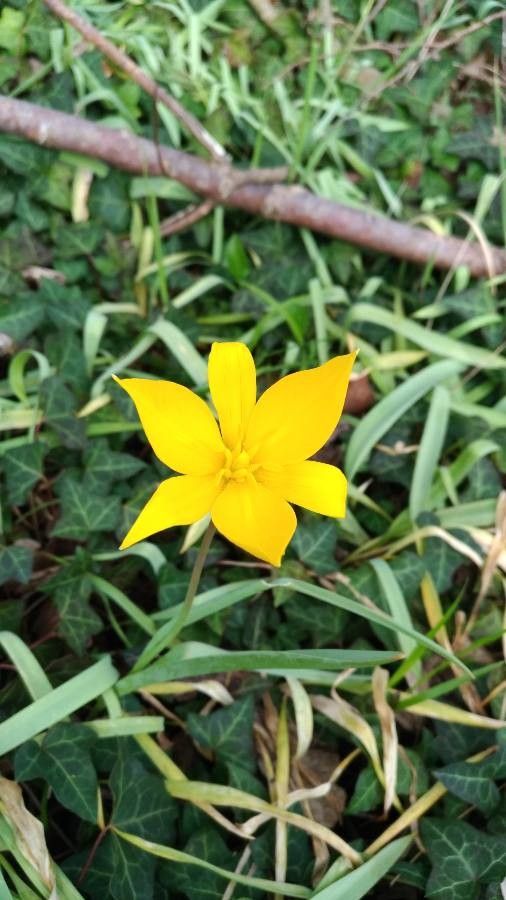
Unlocking the Secrets of Wild Tulip Propagation: How To Grow Your Own Patch of “Tulipa sylvestris” Beauty
The Wild Tulip, or Tulipa sylvestris, is a captivating sight with its graceful form and bright yellow blooms. Unlike the showy hybrids we often see in gardens, this species exudes a natural charm, adding a touch of wild beauty to any landscape. But did you know that you can easily propagate these stunning wildflowers yourself?
The Joy of Propagation
Propagating plants, especially from seed, is a wonderfully rewarding experience. It fosters a deep connection with nature and allows you to create a thriving ecosystem in your own backyard. For Tulipa sylvestris, propagation is especially satisfying because it grants you the ability to easily expand your wild tulip patch, filling your garden with more of these charming blooms year after year.
Two Simple Methods for Propagation:
-
By Seed: Wild tulips naturally spread through seeds, and this is arguably the most accessible method.
- Harvesting: Collect seed pods once they have ripened and turned brown. Inside, you’ll find small, black seeds.
- Sowing: Sow the seeds directly outdoors in autumn, ideally in a sunny location with well-drained soil.
- Patience is Key: Wild tulip seeds require a period of cold stratification (exposure to cold temperatures) for germination. Thus, it may take a year or even two before you see seedlings emerge.
- Tip: For faster results, you can start the seeds indoors in containers during the winter.
- By Bulb Division:
- Best Time: The best time for bulb division is right after the flowers have faded in early summer.
- Gently Dig: Carefully excavate the bulbs, avoiding damage to the roots.
- Separate: Gently tease apart the clumps of bulbs, ensuring each division has at least one healthy bud.
- Replant: Replant the divisions in a new location, ensuring the pointed end of each bulb faces upwards.
- Mulch & Water: Apply a layer of mulch to retain moisture and protect the bulbs from extreme temperatures. Water regularly.
Important Considerations:
- Location: Wild tulips thrive in sunny locations with well-drained soil. Although they can tolerate partial shade, too much shade can hinder their growth and flowering.
- Soil: Choose a soil that is rich in organic matter and drains well. Avoid planting them in heavy clay soils that can retain too much moisture.
- Water: While they prefer moist soil, wild tulips are drought tolerant once established.
- Mulch: A layer of mulch will help retain moisture, suppress weeds, and protect the bulbs during winter.
- Fertilizer: Wild tulips aren’t heavy feeders and will typically flourish without additional fertilizers. If the soil is poor, light fertilization in spring can be beneficial.
- Spacing: Plant bulbs 3 to 6 inches apart for a full, dense effect.
Beyond Your Garden:
Beyond the beauty they bring to your garden, Wild Tulips also offer a valuable contribution to local ecosystems. They serve as a food source for pollinators like bees and butterflies and create a vibrant, natural habitat within your own backyard.
In Conclusion:
Propagating Tulipa sylvestris is a simple yet rewarding endeavor. Whether you choose to sow seeds or divide existing bulbs, the process is relatively straightforward. By providing these wildflowers with the right conditions, you can create a breathtaking, natural display that will grace your garden for years to come. So why not embark on this exciting journey of propagation today, and watch your own patch of wild tulip beauty flourish?