
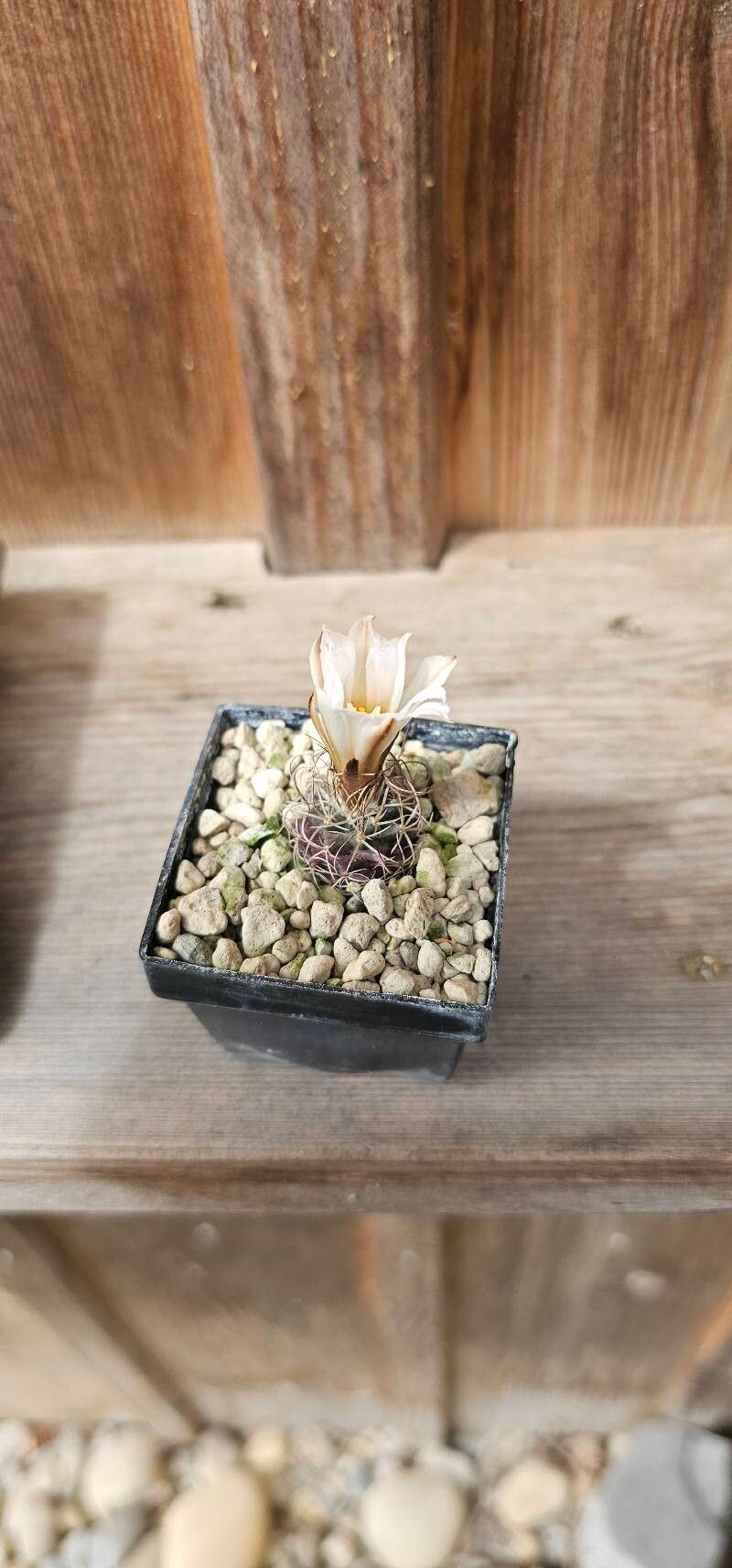
Unveiling the Secrets: Propagating the Miniature Marvel, Turbinicarpus graminispinus
The diminutive desert jewel, Turbinicarpus graminispinus, captivates with its intricate spines and charming blooms. But this cactus’s beauty isn’t its only allure. For plant enthusiasts seeking a rewarding challenge, propagating T. graminispinus offers an exciting journey into the world of cactus cultivation.
This guide delves into the two primary methods – seed propagation and offset division – to help you successfully multiply your collection of these fascinating plants.
From Dust to Desert Star: Propagating T. graminispinus from Seed
While a touch more time-consuming, growing T. graminispinus from seed is an immensely gratifying experience. Here’s how:
Source Your Seeds: Reputable online vendors and nurseries specializing in cacti and succulents are your best bet for acquiring viable seeds.
Prepare the Seedbed: A well-draining, mineral-rich soil mix is crucial. Opt for a pre-mixed cactus potting soil or create your own using equal parts potting soil, perlite, and coarse sand. Fill shallow seed trays or pots with the mixture.
Sow with Care: Sprinkle the tiny seeds sparsely over the soil surface, gently pressing them down. Do not bury them.
Moisture and Warmth: Mist the soil surface thoroughly with a spray bottle and seal the tray or pot with a clear lid or plastic wrap to create a humid environment. Place the setup in a warm, brightly lit location, out of direct sunlight. Ideal temperatures range from 70°F to 80°F (21°C to 27°C).
Patience, Young Padawan: Germination can be erratic, with some seeds sprouting within weeks and others taking several months. Maintain consistent moisture by misting the soil whenever it dries.
- Thinning the Herd: Once seedlings emerge, remove the cover and gradually acclimate them to drier air. When they reach a manageable size, carefully transplant them into individual pots.
Division: The Quick Route to Expansion
For a faster propagation route, T. graminispinus occasionally produces offsets, or “pups,” at their base. These miniature clones can be separated and grown independently:
Identify and Separate: Look for plump, healthy offsets with several sets of spines. Using a clean, sharp knife, carefully detach the offset from the mother plant, ensuring it has some roots attached.
Callus Over: Allow the separated offset to dry and callus over for a few days to a week. This helps prevent fungal infections.
Potting Up: Plant the callused offset in a well-draining cactus mix, burying the roots and a small portion of the stem.
- Watering In: Water sparingly, allowing the soil to completely dry out between waterings.
A Few Words of Wisdom:
- T. graminispinus thrives in bright, indirect light with good air circulation. Avoid direct sunlight, especially for young plants.
- These cacti are incredibly drought-tolerant. Overwatering is a common pitfall, so it’s best to err on the side of dryness.
- Fertilize sparingly during the growing season (spring and summer) with a diluted cactus fertilizer.
Propagating Turbinicarpus graminispinus, whether from seed or offsets, is an enriching pursuit. It allows you to cultivate new life and witness the remarkable resilience of these desert survivors. With patience, attention to detail, and a sprinkle of plant love, you can expand your collection and enjoy the unique beauty of these miniature wonders for years to come.