
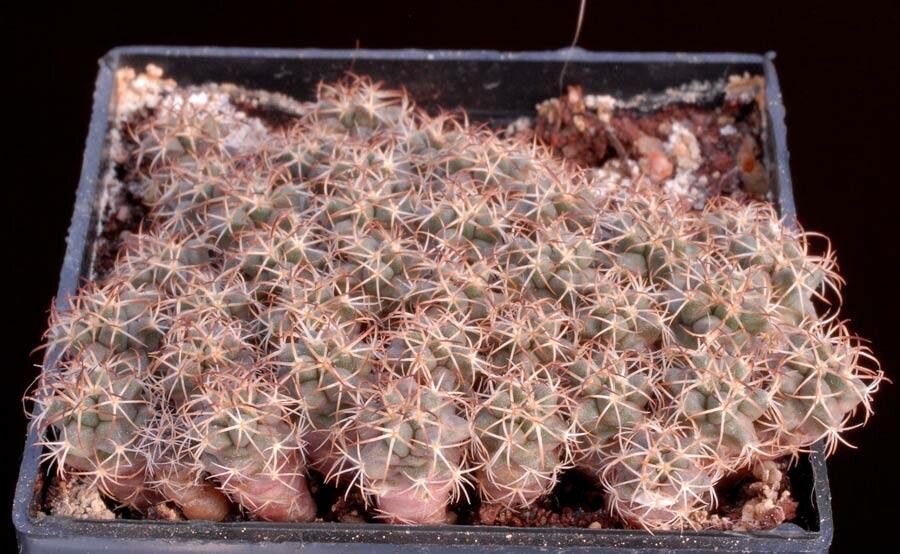
Propagating Turbinicarpus swobodae: A Challenging but Rewarding Endeavor
Introduction:
Turbinicarpus swobodae, sometimes called the “Swoboda’s Turbinicarpus,” is a captivating miniature cactus prized for its diminutive size, striking tubercles, and exquisite flowers. Its slow growth and relative rarity contribute to its popularity among serious cactus enthusiasts. However, propagating this species presents unique challenges due to its delicate nature and specific environmental requirements. Unlike some readily propagated cacti, T. swobodae demands more specialized techniques for successful reproduction.
Seed Germination:
Seed germination for Turbinicarpus swobodae is a viable, though challenging, method of propagation. The primary hurdle is achieving consistent and high germination rates. Fresh seeds are crucial; older seeds significantly decrease germination success.
Challenges: Seeds are notoriously tiny and susceptible to fungal diseases. Maintaining sterile conditions during sowing is paramount. Furthermore, T. swobodae seeds may require a period of cold stratification (a period of cold, moist storage) to break dormancy, though this is not definitively established across all seed origins.
Practical Tips: Sow seeds on a well-draining, sterile seed-starting mix (e.g., a mix of perlite and vermiculite). Maintain consistently high humidity (using a humidity dome or enclosing the container in a plastic bag) and a warm temperature (around 25-30°C). Gentle bottom watering is recommended to prevent damping off. Experimentation with stratification (e.g., 4-6 weeks at 4°C) may improve germination rates, but this requires careful observation to prevent seed rot.
Rewards: Successful germination provides valuable genetic diversity within your collection. Seed propagation also offers the potential for large-scale propagation, though patience and fastidious technique are keys to success.
Cuttings:
Currently, there are no known reliable methods for cutting propagation of Turbinicarpus swobodae. The plant’s structure and growth habit don’t lend themselves to successful propagation from cuttings.
Division:
Division is not a practical method for propagating Turbinicarpus swobodae. The plant’s small size and solitary growth habit preclude the possibility of dividing a single plant into multiple independent individuals.
Tissue Culture:
Tissue culture is a potentially successful method for propagating Turbinicarpus swobodae, although it requires specialized laboratory equipment and expertise.
Challenges: Establishing sterile conditions and cultivating the plant in a nutrient-rich agar medium requires significant technical skill. Contamination from fungi and bacteria is a substantial risk. The optimal nutrient formulations and growth hormones for T. swobodae would require experimentation.
Practical Tips: This method is not suitable for hobbyists without a tissue culture lab and relevant experience.
Rewards: Tissue culture allows for rapid and large-scale propagation of genetically identical plants, preserving desirable traits.
Conclusion:
Propagating Turbinicarpus swobodae, whether through seed germination or – with significantly more expertise and resources – tissue culture, presents considerable challenges. However, the rewards of successfully cultivating this fascinating miniature cactus are substantial. The unique satisfaction derived from nurturing these tiny plants from seed, overcoming the inherent difficulties, far outweighs the effort. For those willing to invest the time, patience, and attention to detail, the experience of successfully growing T. swobodae from seed is incredibly rewarding. Remember that success hinges on meticulous attention to hygiene, precise watering, and diligent observation. Aspiring propagators should begin with acquiring fresh seeds from a reputable source and focusing on creating and maintaining ideal sterile conditions throughout the process. Don’t be discouraged by setbacks; persistence and careful experimentation are crucial to mastering the art of propagating this captivating species.