
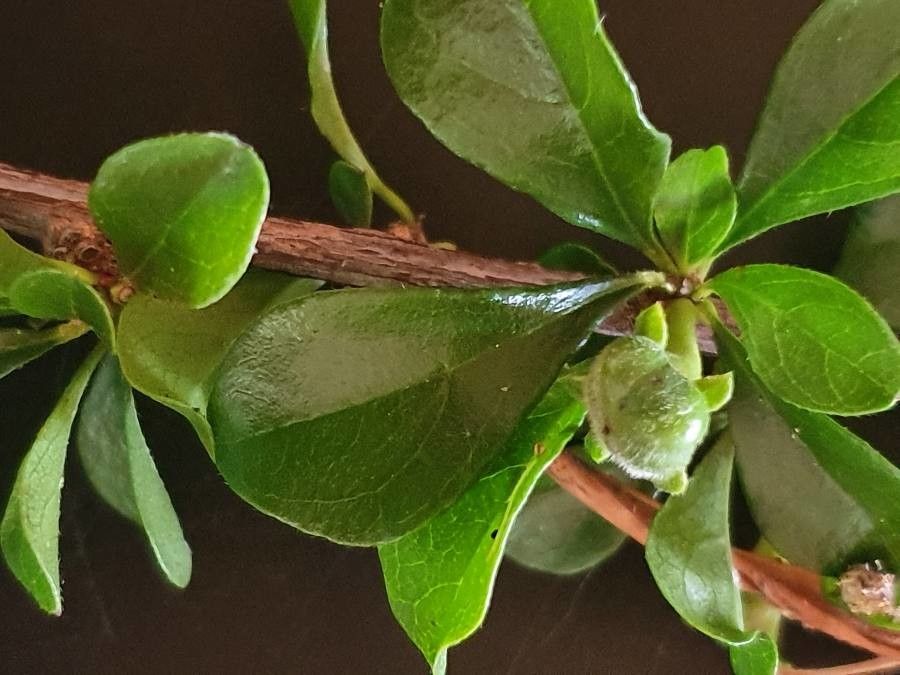
Unlocking the Secrets: Propagating the Delicate Beauty of Turraea parvifolia
Turraea parvifolia, with its delicate white flowers and enchanting fragrance, is a true gem for any garden enthusiast. This South African native, also known as the Small-leaved Honeysuckle Tree, adds a touch of elegance and attracts a symphony of pollinators with its sweet perfume. If you’ve been lucky enough to encounter this beauty, you might be wondering how to welcome more of its charm into your life. Well, you’re in luck! Let’s delve into the art of propagating Turraea parvifolia, unlocking the secrets to cultivating more of these stunning plants.
Two Paths to Propagation:
Turraea parvifolia can be propagated in two primary ways:
-
Seed Propagation: This method offers a rewarding journey from seed to bloom, allowing you to witness the entire lifecycle of the plant.
- Cuttings: For those seeking quicker results, cuttings provide a faster route to establishing new plants.
The Seed’s Journey: A Test of Patience
While rewarding, seed propagation requires patience and a gentle touch. Here’s how to embark on this fulfilling journey:
- Harvesting the Seeds: Collect ripe fruits directly from the Turraea parvifolia plant. These fruits resemble small berries and usually appear in late summer or early autumn.
- Preparing for Sowing: Extract the seeds from the fruits and allow them to dry for a few days. This drying period helps to prevent fungal issues during germination.
- Sowing the Seeds: Plant the seeds in a well-draining seed-raising mix, ensuring they are lightly covered with the medium. Water gently and consistently, but avoid waterlogging.
- Patience is Key: Seed germination for Turraea parvifolia can be a slow process, often taking several months. Maintaining a warm, humid environment can encourage speedier germination.
Taking the Fast Track: Propagation through Cuttings
If you prefer a quicker method, propagating from cuttings might be the way to go. Here’s a step-by-step guide:
- Choosing the Right Cuttings: During the plant’s active growing season (spring to early summer), select healthy, semi-hardwood cuttings from the current year’s growth. These cuttings should be about 4-6 inches long and taken from non-flowering branches.
- Preparing the Cuttings: Remove the lower leaves from the cutting, leaving only a few at the top. Dipping the cut end in rooting hormone can significantly increase the success rate.
- Planting the Cuttings: Plant the treated cuttings in a well-draining potting mixture. A mix of peat moss and perlite works well for this purpose.
- Creating a Humid Environment: Cover the pot with a clear plastic bag or use a propagation dome to maintain a consistent level of humidity. Keep the cuttings in a well-lit area, but away from direct sunlight.
- Rooting and Transplanting: After about 4-6 weeks, the cuttings should develop a healthy root system. Gently tug on the cutting; if you feel resistance, it’s a good indication that roots have formed. Once rooted, the cuttings can be transplanted into individual pots.
Nurturing Your Turraea parvifolia:
Whether you choose to propagate through seeds or cuttings, providing the right care is crucial for healthy growth:
- Sunlight: Turraea parvifolia thrives in full sun to partial shade.
- Water: Water regularly, especially during dry periods, but allow the soil to dry out slightly between waterings.
- Soil: Well-draining soil is essential to prevent root rot.
Propagation, while requiring some effort, is incredibly rewarding. It’s a fulfilling process that allows you to deepen your connection with nature and expand your garden sanctuary. So, why not embrace the challenge and invite the delicate beauty of Turraea parvifolia to flourish in your own green space?