
Propagating the Delicate Beauty: A Guide to Multiplying Tylecodon fragilis
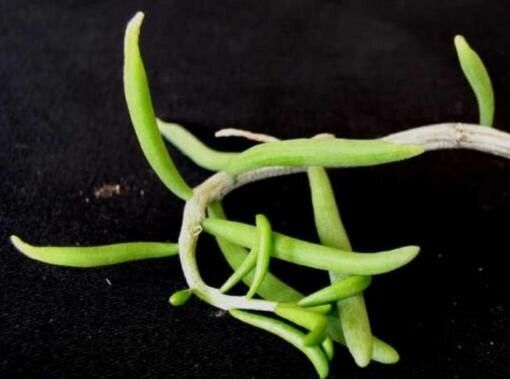
Tylecodon fragilis, commonly known as the fragile tylecodon, is a captivating succulent prized for its unique, almost ethereal appearance. Its delicate, slender stems and small, fleshy leaves, which often wither during dry periods, coupled with its charming, bell-shaped flowers, make it a sought-after addition to any succulent collection. Its sensitivity to overwatering and specific environmental needs, however, pose interesting challenges for propagation. Its rarity contributes to its popularity, making successful propagation a rewarding experience for the dedicated gardener.
Seed Germination:
Currently, there are no known reliable methods for seed germination propagation of Tylecodon fragilis. While the plant does produce seeds, their germination rate is extremely low, if any, under typical horticultural conditions. Further research is needed to determine if specific germination treatments, such as scarification or specific temperature and light requirements, could improve success.
Cuttings:
This is arguably the most practical method for propagating Tylecodon fragilis.
Challenges: The success rate can be variable, and cuttings are prone to rot if not handled correctly. The plant’s delicate nature increases the risk of damage during the propagation process.
Practical Tips: Take stem cuttings of approximately 5-7 cm in length during the growing season (spring/summer). Allow the cut ends to callous over for a few days before planting. Use a well-draining succulent potting mix and plant the cuttings shallowly. Water sparingly, only when the soil is completely dry, to minimize the risk of rot. High humidity can also lead to rotting, so good air circulation is important. Provide bright, indirect light.
Rewards: This method is relatively quick, producing new plants within a few weeks to months. While it doesn’t offer the genetic diversity of seed propagation, it allows for the efficient replication of desirable traits from a mother plant.
Division:
Division is another feasible propagation method for Tylecodon fragilis, particularly if the plant has produced offsets or pups.
Challenges: Tylecodon fragilis doesn’t readily produce offsets compared to some other succulents; this limits the availability of material for division. Care must be taken to avoid damaging the fragile roots during the separation process.
Practical Tips: Gently remove offsets from the mother plant, ensuring each division has its own root system or a sufficient portion of root to establish itself. Plant the divisions in well-draining soil and water sparingly.
Rewards: Division results in quick establishment of new plants, preserving the genetic characteristics of the parent plant.
Tissue Culture:
Tissue culture is a potentially viable method, though it presents significant technical complexity.
Challenges: Establishing a sterile culture and finding the optimal growth media and hormonal balance for Tylecodon fragilis requires specialized knowledge and laboratory equipment. This method is not suitable for the home hobbyist.
Practical Tips: Specialized knowledge and laboratory equipment are required for successful tissue culture.
Rewards: Tissue culture offers the potential for mass propagation of genetically identical plants, crucial for conservation efforts or large-scale commercial production.
Conclusion:
Propagating Tylecodon fragilis presents a unique set of challenges due to its fragile nature and demanding growing requirements. While seed propagation remains largely unexplored, cuttings and division offer achievable, though carefully executed, options for the dedicated enthusiast. Tissue culture holds significant potential for large-scale propagation but demands specialized expertise. Successful propagation ultimately rewards perseverance and patience; overcoming these hurdles offers a profound sense of accomplishment and a deeper appreciation for the delicate beauty of Tylecodon fragilis. Don’t be discouraged by initial setbacks – experimentation and careful observation are key to mastering this fascinating aspect of succulent cultivation.