
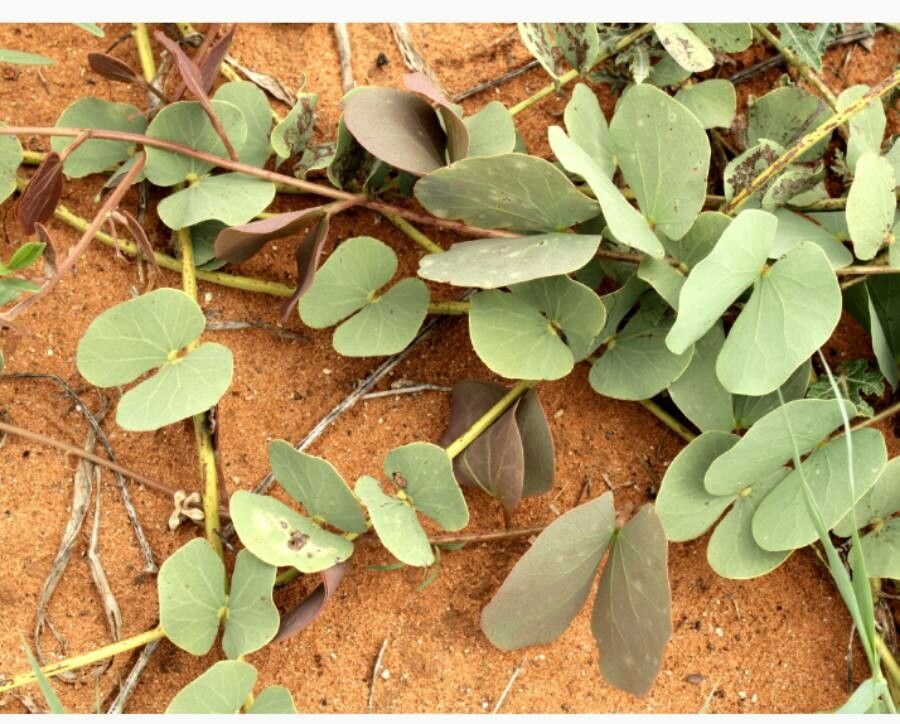
Taming the Marama Bean: A Guide to Propagating Tylosema esculentum
The Marama bean, scientifically known as Tylosema esculentum, is a fascinating and resilient plant native to the arid regions of Southern Africa. Not only is it a beautiful vine with striking yellow flowers, but it also produces edible beans and tubers, making it a valuable source of nutrition in its native range.
While relatively unknown outside of Africa, the Marama bean is gaining interest among gardeners and food enthusiasts worldwide for its hardiness and nutritional value. If you’re among the curious minds looking to grow this unique plant, this guide will equip you with the knowledge to successfully propagate Tylosema esculentum.
Propagation Methods:
There are two primary methods to propagate Tylosema esculentum:
-
Seed Propagation: This is the most common and arguably the easiest method. Marama seeds are large and easily handled, boasting a high germination rate under the right conditions.
-
Seed Scarification: Before sowing, it’s crucial to scarify the seeds. This means nicking or sanding a small part of the hard outer coat to allow water penetration. Soaking the seeds in warm water for 24 hours after scarification can further improve germination rates.
- Sowing: Sow the seeds about 2-3 cm deep in a well-draining seed-starting mix. Keep the soil consistently moist but not soggy. Germination usually occurs within 1-3 weeks.
-
-
Tuber Propagation: Marama plants produce large, fleshy tubers. These tubers can be divided and replanted to create new plants. However, this method is less common as seeds are readily available and offer a higher success rate.
- Division: When dividing tubers, ensure each section has at least one “eye” or growth point. Allow the cut surfaces to dry for a day or two before planting to prevent rotting.
Transplanting and Care:
- Once your Marama seedlings are a few inches tall and have developed a strong root system, they can be transplanted into larger pots or directly into the ground.
- Choose a location with full sun exposure and well-drained soil.
- These plants are drought-tolerant once established but benefit from regular watering during the growing season.
- Fertilize sparingly, as Marama beans are nitrogen-fixing and don’t require heavy feeding.
Challenges and Tips:
- Hard Seed Coat: The most significant challenge is overcoming the hard seed coat, which can hinder germination. Proper scarification is vital for success.
- Frost Sensitivity: Marama beans are sensitive to frost and thrive in warm climates. Consider growing them indoors or in a greenhouse if you live in an area with freezing winters.
- Patience is Key: It can take several years for Marama plants to mature and produce beans and tubers. However, with proper care and attention, your patience will be rewarded with a bountiful harvest of this unique and nutritious plant.
Propagating Tylosema esculentum can be a rewarding experience. By understanding the plant’s needs and following these steps, you can successfully grow this fascinating and valuable plant in your own garden. Not only will you contribute to preserving biodiversity, but you’ll also have access to a unique food source with numerous culinary applications.