
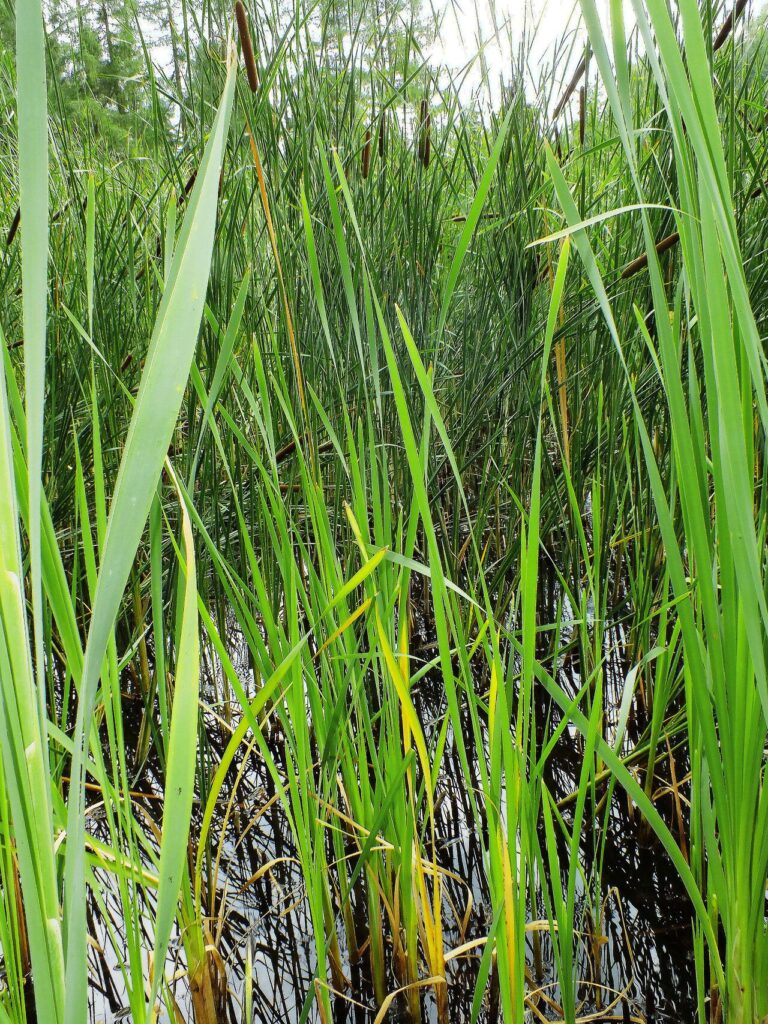
From Pond to Patio: Propagating Your Own Cattail (Typha angustifolia)
Ever admired the tall, majestic plumes of cattails gracing the edges of ponds and streams? These elegant plants, scientifically known as Typha angustifolia, are more than just a picturesque sight – they’re incredibly versatile and surprisingly easy to propagate. Whether you’re looking to establish a natural water filtration system in your pond, create a unique landscape feature, or just enjoy the beauty of these fascinating plants, propagating cattails is a rewarding endeavor.
The Magic of Division:
The most common and successful method for propagating cattails is through division – separating the plant’s rhizomes. Think of this like cloning!
Here’s what you’ll need:
- A healthy cattail plant: Look for a mature plant with robust growth and multiple shoots.
- Sharp shovel or garden knife: This will ensure clean cuts for a seamless propagation process.
- Water: You’ll need a container of water for washing the rhizomes and a small amount for planting.
Let’s Get Dividing!
- Choose a suitable time: Spring or early summer is the ideal time to divide cattails.
- Dig it up: Carefully dig around the base of the plant, exposing the rhizomes. Feel free to use a shovel for this, ensuring to not damage the rhizomes.
- Separate the rhizomes: Using a garden knife or sharp shovel, cut the rhizomes into sections. Each section should have at least one growing point (bud) for it to produce new shoots.
- Clean the rhizomes: Gently wash the rhizomes to remove any debris and dirt.
- Planting time: Plant the rhizome sections horizontally, 1-2 inches deep in moist soil, with the growing point facing upwards.
- Watering: Ensure the soil is consistently moist but not waterlogged.
Beyond Division: The Art of Seed Propagation
For a larger scale project, you can opt for seed propagation. While it requires more patience, it’s still achievable:
- Collect the seeds: When the cattails produce their distinctive brown “sausages” (the seed heads), collect them from the plant.
- Prepare the soil: Choose a location with moist soil and plenty of sunlight. The soil should ideally contain compost or other organic matter.
- Sow the seeds: Spread the seeds generously over the prepared soil. Lightly cover the seeds with a thin layer of soil.
- Water consistently: Keep the soil moist but not saturated. It can take several weeks for the seedlings to germinate.
Important Considerations:
- Sunlight: Cattails thrive in full sun.
- Water: They prefer moist soil and can even tolerate standing water.
- Growth: Cattails can grow rapidly, so be prepared to manage their growth and prevent them from becoming invasive!
With a bit of effort and understanding, you can easily propagate cattails and enjoy these adaptable and attractive plants in your own backyard. Whether gracing a pond, adding a touch of natural beauty to your garden, or serving as a haven for wildlife, cattails are a valuable addition to any landscape. So, give it a try and enjoy the rewarding experience of growing your very own cattails!