
Taming the Cattail: Successfully Propagating Typha domingensis
Typha domingensis, better known as the common cattail or bulrush, evokes images of tranquil ponds and marshes. But did you know that this elegant, architectural plant isn’t limited to the wild? With a little know-how, you can easily propagate and cultivate Typha domingensis, adding a touch of natural beauty and even edible elements to your own backyard.
Two Paths to Propagation:
Typha domingensis offers not one, but two effective methods of propagation:
1. Seed Propagation: From Tiny Fluff to Thriving Plant
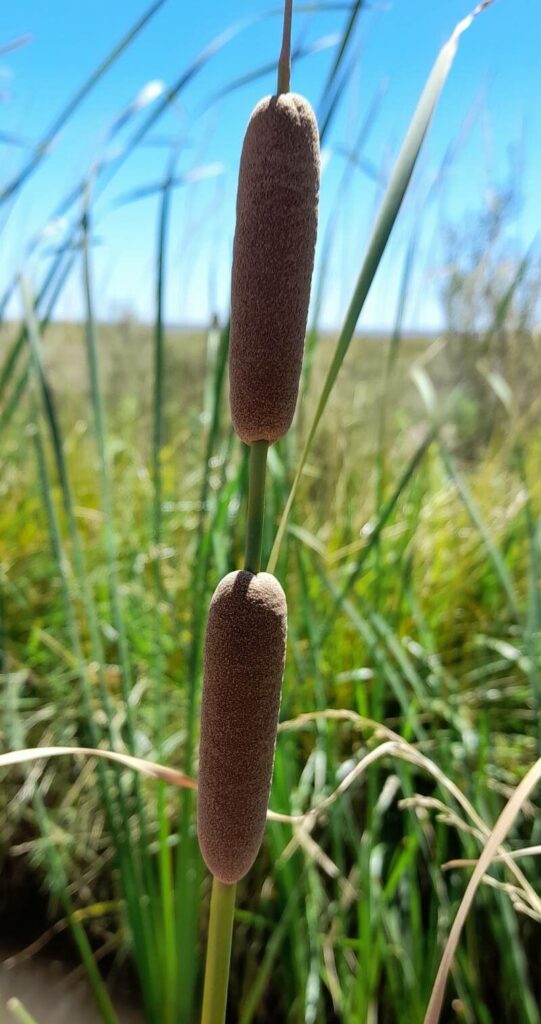
Those iconic brown “cattails” are actually the plant’s flower heads packed with thousands of tiny seeds. Once mature, the heads burst open, releasing a fluffy cloud of seeds ready to take flight. Here’s how to harness this natural process:
- Collection: Collect mature, dry seed heads in late summer or early fall. Carefully store them in a paper bag to allow for further drying and seed dispersal.
- Sowing: In spring, sprinkle the seeds directly onto the surface of moist seed-starting mix. Do not bury them, as they require light for germination.
- Conditions: Keep the soil consistently moist and provide ample sunlight. Expect germination within 2-4 weeks.
2. Division: Sharing the Wealth of Established Plants
For a quicker and more reliable method, division is your go-to. This technique harnesses the cattail’s robust rhizome system (underground stems) to generate new plants. Here’s a step-by-step approach:
- Timing: Spring is the ideal time to divide Typha domingensis, just as new growth emerges.
- Division: Carefully dig up a section of established plant, ensuring you get a good portion of rhizome. Using a sharp, clean knife or garden shears, divide the rhizome mass into sections, each containing at least one growth bud.
- Replanting: Replant divisions at the same depth they were originally growing, spacing them according to the spread you desire.
Creating the Ideal Cattail Haven:
Whether you choose seed or division, providing the right environment is crucial for successful Typha domingensis propagation:
- Sunlight: Cattails thrive in full sun, requiring at least 6 hours of direct sunlight per day.
- Water: Mimic their natural habitat by providing consistently wet or boggy soil. These plants are highly adaptable and can even be grown in standing water up to 1 foot deep.
- Soil: While not picky about soil type, Typha domingensis prefers fertile, slightly acidic conditions.
- Maintenance: Once established, cattails require minimal maintenance. Cut back dead foliage in late fall or early spring to maintain a tidy appearance.
Beyond the Beauty: The Multifaceted Cattail:
Propagating Typha domingensis is more than just a landscaping endeavor. These remarkable plants offer a host of benefits:
- Erosion Control: Their extensive root systems help stabilize shorelines and prevent erosion.
- Wildlife Habitat: Cattails provide valuable shelter, nesting materials, and food sources for various birds, insects, and aquatic life.
- Water Filtration: They act as natural filters, absorbing excess nutrients and pollutants from water bodies.
- Edible Uses: From the starchy rhizomes to the pollen-rich flower heads, various parts of the cattail are edible and have been traditionally used for sustenance.
By embracing the simplicity of propagating Typha domingensis, you can invite this versatile and ecologically valuable plant into your own outdoor spaces, reaping the rewards of its beauty and utility for seasons to come.