
Propagating Typhonium blumei: Unveiling the Secrets of this Unique Aroid
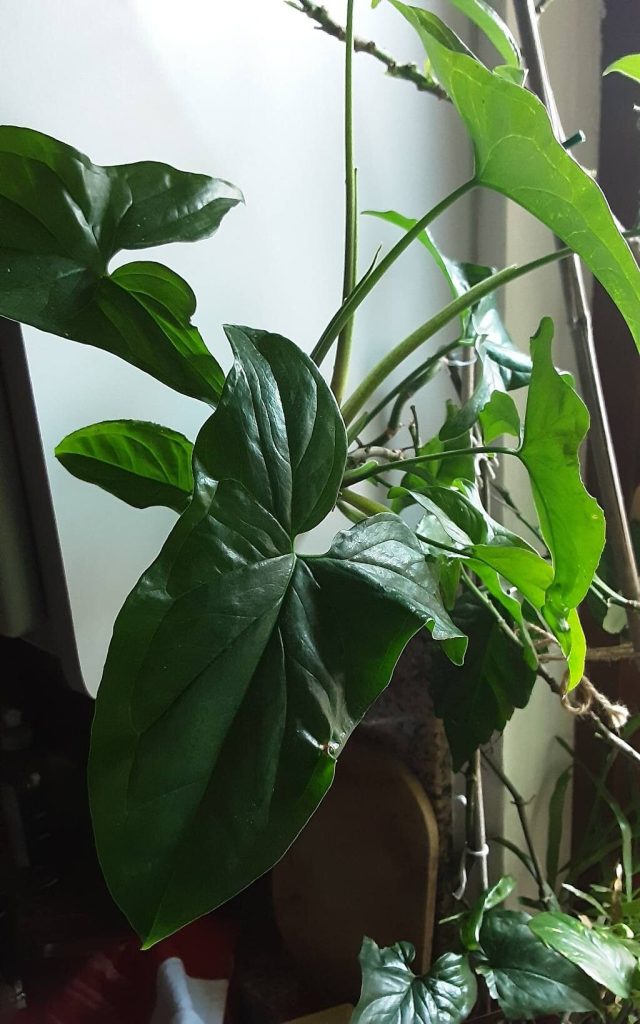
Typhonium blumei, also known as the Elephant’s Ear (though this common name is shared by several other plants), is a captivating aroid prized for its striking, often dark-colored foliage and intriguing inflorescence. Its unusual beauty and relative rarity make it a desirable addition to any collection of exotic plants. While not as widely cultivated as some other aroids, its unique characteristics have garnered a dedicated following among gardeners who appreciate a challenge. Propagating Typhonium blumei presents several hurdles, but the rewards for the patient cultivator are significant.
Seed Germination:
Currently, there are no known reliable methods for seed germination propagation of Typhonium blumei. While the plant does produce seeds, their viability is notoriously low, and successful germination remains largely undocumented. Further research into specific germination requirements, such as light, temperature, and moisture levels, is needed before seed propagation can be considered a viable option.
Cuttings:
Propagating Typhonium blumei via cuttings presents its own set of challenges. While stem cuttings are theoretically possible, success rates are low. The plant’s relatively slow growth contributes to this difficulty. Successful propagation through cuttings would likely require the use of rooting hormones and consistently warm, humid conditions within a propagation chamber or greenhouse to encourage root formation. Even with these measures, significant patience and careful attention to detail are required. Rewards of this method, if successful, would include the creation of genetically identical offspring.
Division:
Division offers the most reliable method for propagating Typhonium blumei. This involves carefully separating the plant’s underground corms or rhizomes during dormancy. Each section should ideally have a portion of healthy roots and actively growing shoots or buds to increase the chances of survival. Replant the divisions into well-draining, rich potting media in a warm, humid environment. The primary challenge lies in carefully handling the delicate corms and rhizomes to avoid damaging them during separation. The rewards are relatively high, as this method is generally successful and yields faster results compared to other methods.
Tissue Culture:
Tissue culture offers potential for large-scale propagation of Typhonium blumei, bypassing the challenges of seed germination and cuttings. However, this method requires specialized equipment, sterile conditions, and a thorough understanding of plant tissue culture techniques. Establishing a protocol for Typhonium blumei tissue culture would likely involve considerable experimentation to identify the optimal growth media, hormones, and environmental conditions. While the initial investment and expertise required are substantial, the potential to mass-produce genetically identical plants makes it an attractive option for commercial or large-scale propagation.
Conclusion:
Propagating Typhonium blumei presents a spectrum of challenges across different methods. While seed germination remains unreliable, division currently provides the best chance of success, with tissue culture holding long-term potential for large-scale production. Cuttings offer a possibility, but a low success rate. The rewards, however, justify the effort. Successfully propagating this striking plant, after overcoming its propagation hurdles, delivers a profound sense of accomplishment, underscoring the unique satisfaction of nurturing a rare and beautiful species. For aspiring propagators, patience, attention to detail, and a willingness to experiment are crucial. Start with division, and as your experience expands, consider the more complex methods of tissue culture, recognizing that even with these more advanced methods, a certain degree of trial and error is to be expected.