
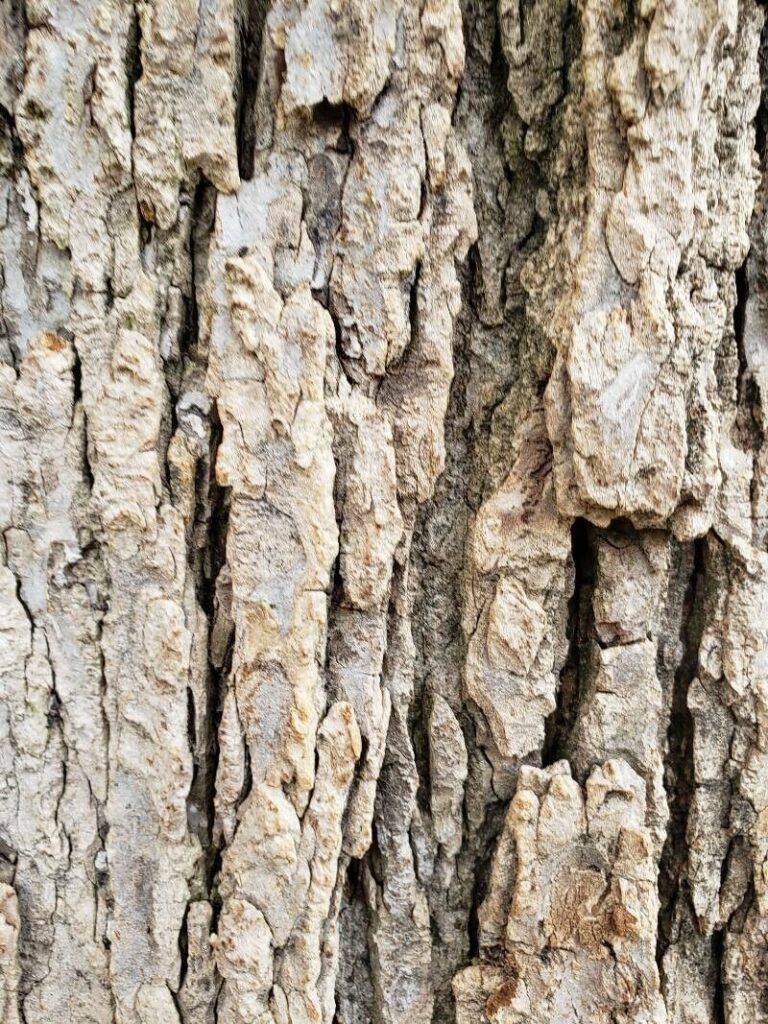
From Seed to Shade: Propagating Your Own American Elm
The American Elm, a majestic tree once defining the urban landscape, is making a comeback. Its resilience and beauty are attracting gardeners looking to cultivate their own stately specimens. But how do you go from a tiny seed to a towering tree in your backyard? Enter the world of propagation, the art of creating new plants from existing ones.
Starting From Seed: A Journey of Patience
The most common method for propagating American Elm is from seed. While it’s not a quick process, it’s rewarding and relatively simple:
-
Collect Seeds: Gather mature elm seeds in autumn, searching for the papery, flat samaras (winged seeds) that fall from the tree. They resemble tiny helicopters, often clustered near the base.
-
Prepare for Sleep: Elm seeds require a cold stratification period, mimicking the natural winter conditions needed for germination. Store them in a moist medium (like peat moss or vermiculite) in a refrigerator for 6-8 weeks.
-
Sowing Seeds: After stratification, sow the seeds in a well-drained seed starting mix. Plant them about ¼ inch deep and keep them moist. The seeds should germinate in 2-4 weeks under warm conditions.
- Nurturing Seedlings: As the seedlings grow, ensure they receive adequate light and water. Transplant them to larger pots or outdoor beds when they reach a manageable size.
Vegetative Propagation: A Faster Approach
For a quicker result, consider these alternatives:
-
Cuttings: Take hardwood cuttings (from dormant branches) in late winter or softwood cuttings (from new growth) in spring. Dip the cut ends in rooting hormone and plant them in a rooting medium. Maintain moisture and warmth for success.
- Layering: This technique involves bending a branch of an established elm tree to the ground, burying part of it in the soil. The buried portion will eventually develop roots, producing a new plant.
Tips for Success: Fueling Growth
No matter your chosen propagation method, ensure your elm seedlings are well-nourished and protected:
-
Choose the Right Spot: American elms prefer full sun and well-drained soil. They thrive in moist conditions but are susceptible to root rot in soggy ground.
-
Water Wisely: Young elms require regular watering, especially during the first growing season. Establish a deep watering schedule rather than frequent shallow watering.
-
Fertilize Regularly: Use a balanced fertilizer during spring and summer to encourage healthy growth.
- Protect from Pests: American elms are susceptible to Dutch elm disease, a deadly fungal disease spread by bark beetles. Keep your trees healthy and consider using preventative measures like insecticide sprays.
Growing Your Legacy:
Propagating an American Elm is more than just planting a tree; it’s a commitment to sustainability and a way to honor the legacy of this magnificent species. Through these methods, you can nurture a new generation of elms and contribute to their re-emergence in our landscapes. So grab your gardening gloves, gather your seeds, and embark on the journey to growing your own American Elm. The shade of your creation will be a testament to your dedication and an inspiration for many years to come.