
Unveiling the Secrets of Propagating the Majestic Ulmus laciniata: A Beginner’s Guide
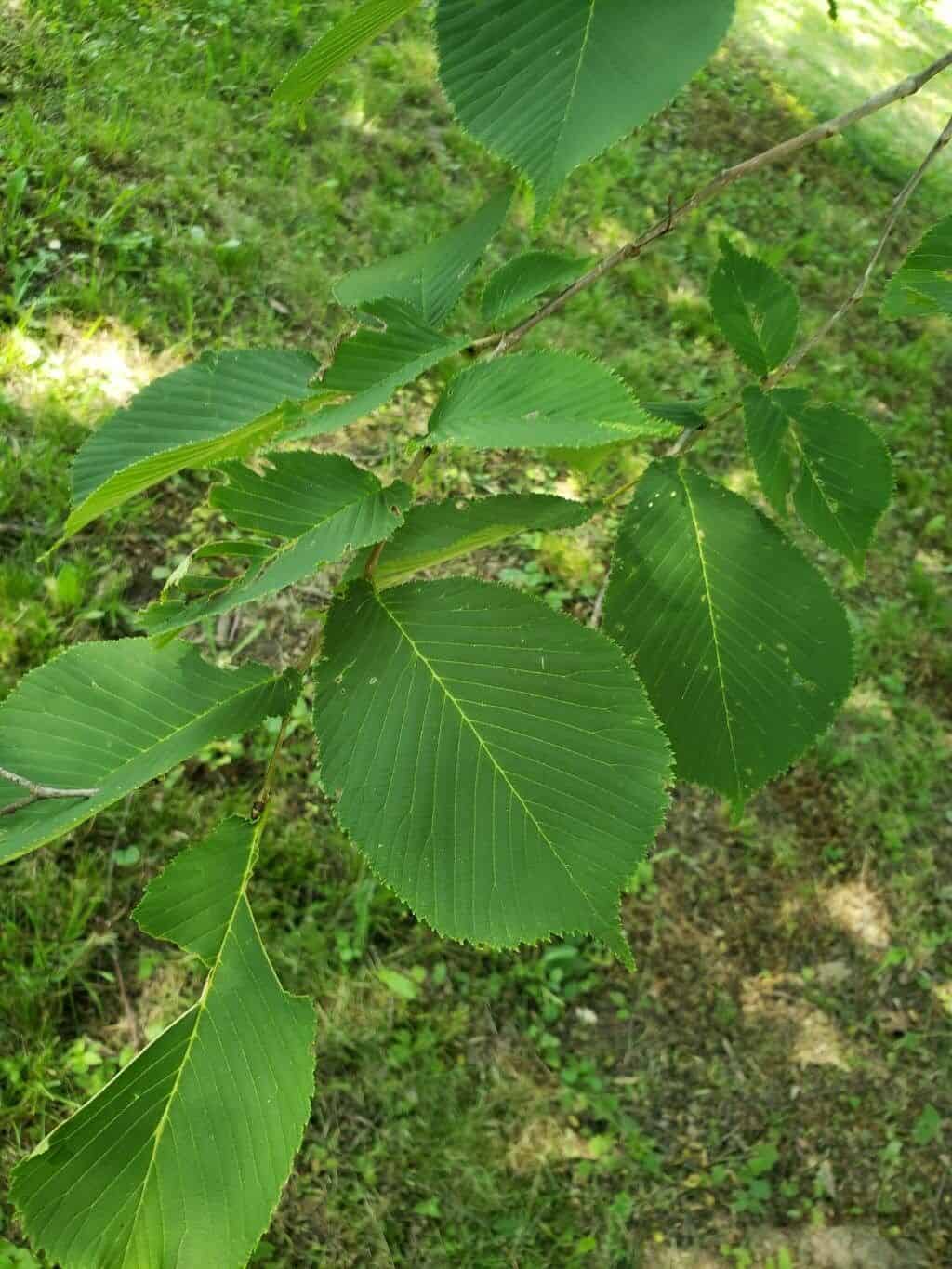
The Ulmus laciniata, also known as the Manchurian or Cutleaf Elm, is a majestic tree renowned for its unique, deeply serrated leaves and elegant, vase-shaped form. This hardy beauty, native to Northeast Asia, can become a striking focal point in any landscape.
While acquiring an Ulmus laciniata from a nursery is always an option, propagating your own can be a deeply rewarding experience. Let’s explore the secrets to successfully propagating this unique elm variety.
Understanding the Basics
There are two primary ways to propagate Ulmus laciniata:
- Seeds: This method involves collecting seeds from mature trees and nurturing them into seedlings.
- Cuttings: This popular technique involves rooting stem cuttings taken from healthy, established trees.
Each method has its pros and cons, and the best choice depends upon your resources, patience, and desired outcome.
The Art of Seed Propagation
1. Seed Collection: Ulmus laciniata seeds mature in late spring or early summer, appearing as small, winged samaras. Collect these seeds when they turn from green to brown.
2. Seed Preparation: The seeds need a period of cold stratification to break their dormancy. You can achieve this by storing them in a moist paper towel inside your refrigerator for 60-90 days.
3. Sowing the Seeds: Once stratified, sow the seeds in a well-draining seed-starting mix, covering them lightly with soil. Keep the soil consistently moist and place the container in a warm, bright location.
4. Patience is Key: Germination can take several weeks. Once the seedlings have a few sets of true leaves, transplant them into individual pots to encourage further growth.
Mastering the Cuttings Technique
1. Timing is Everything: The best time to take cuttings is in late spring or early summer, when new growth is actively developing.
2. Selecting the Right Cuttings: Choose healthy, non-flowering stems about 4-6 inches long. Make a clean cut below a leaf node.
3. Preparing the Cuttings: Remove the lower leaves, leaving only a few at the top. You can also dip the cut end in rooting hormone to enhance root development.
4. Planting the Cuttings: Plant the prepared cuttings in a well-draining potting mix, burying at least one node below the surface.
5. Creating a Humid Environment: Cover the pot with a clear plastic bag or humidity dome to create a warm, moist environment that promotes rooting.
6. Patience and Observation: Root development can take several weeks. Once you notice new growth, it’s a sign that your cuttings are rooting successfully.
Caring for your Ulmus laciniata Offspring
Whether you choose seeds or cuttings, providing the right care is crucial for the healthy development of your Ulmus laciniata. This includes:
- Well-draining soil: Ulmus laciniata prefers well-draining soil that is slightly acidic to neutral.
- Ample sunlight: These trees thrive in full sun, but can tolerate partial shade.
- Regular watering: Keep the soil consistently moist, especially during the first year after propagation.
- Fertilization: Feed your young elm tree with a balanced fertilizer in spring.
Propagating Ulmus laciniata, while requiring patience and dedication, is an incredibly rewarding endeavor. By following these steps, you’ll have the satisfaction of nurturing a majestic tree from its infancy, adding a touch of elegance and grandeur to your landscape for years to come.