
Giving Roots to Grace: Propagating the Resilient European White Elm
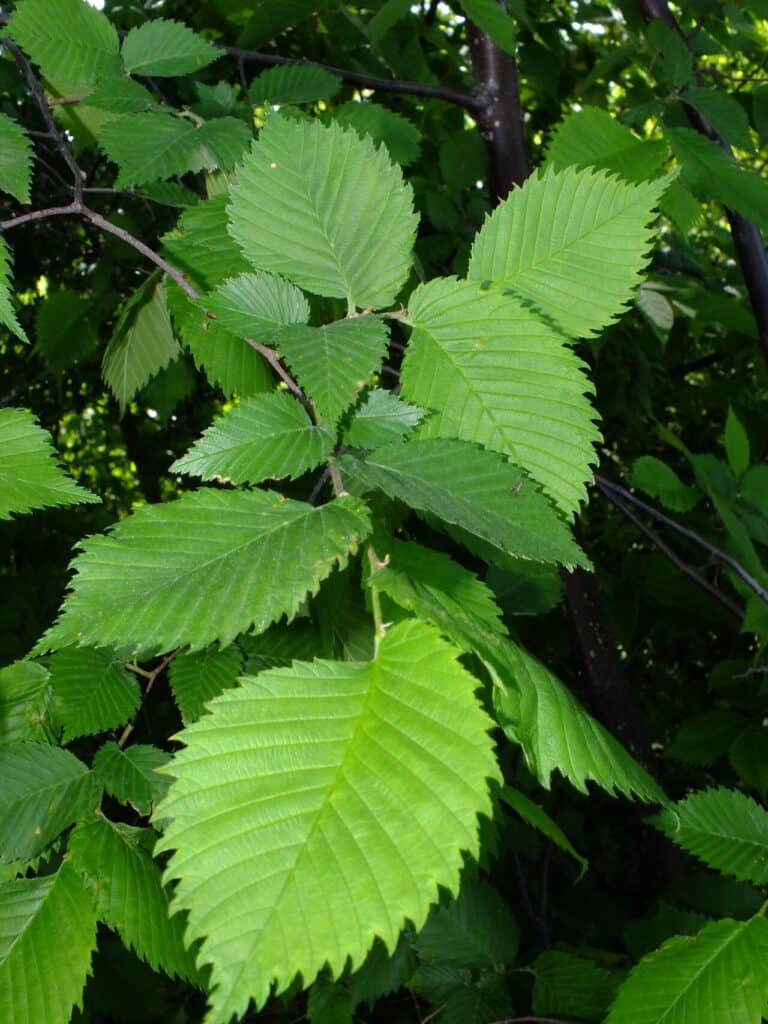
The European White Elm, known scientifically as Ulmus laevis, is a majestic tree with a story to tell. Resilient and adaptable, it has graced the landscapes of Europe for centuries, its canopy offering shade and its bark harboring a diverse ecosystem. But like many elm species, it has faced the devastating effects of Dutch elm disease. Despite this struggle, the Ulmus laevis offers hope, boasting a higher resistance to the disease than its cousins. This resilience makes it an excellent choice for aspiring tree-parents seeking to propagate and preserve this beautiful species.
While growing an Ulmus laevis from seed is possible, it is not the most reliable method. The seeds require specific conditions and have a relatively low germination rate. Luckily, there are easier and more successful ways to propagate this tree, making it accessible even for beginner gardeners:
1. Softwood Cuttings: This method involves taking cuttings from new growth in late spring or early summer. Look for healthy, pliable stems that haven’t yet hardened into wood.
- Equipment: Sharp pruning shears, rooting hormone powder, seed starting mix, small pots.
- Procedure: Cut a 4-6 inch section from the tip of a stem, removing any leaves from the bottom half. Dip the cut end in rooting hormone and gently plant it in the seed starting mix. Water it thoroughly and cover the pot with a plastic bag to create a humid environment. Place it in a well-lit area out of direct sunlight.
- Timeline: Roots should develop in 4-6 weeks. Once the cutting shows new growth, it can be transplanted into a larger pot.
2. Hardwood Cuttings: If you miss the window for softwood cuttings, don’t worry! You can still propagate Ulmus laevis using hardwood cuttings taken during the dormant season, typically in late fall or winter.
- Equipment: Same as for softwood cuttings.
- Procedure: Choose mature, dormant stems and cut 6-8 inch sections. Follow the same procedure as with softwood cuttings. However, hardwood cuttings take longer to root.
- Timeline: Be patient, as rooting can take up to 3 months.
3. Root Cuttings: This less common but effective method utilizes the tree’s own root system for propagation.
- Equipment: Sharp spade or shovel, rooting hormone (optional).
- Procedure: Carefully expose a section of surface roots near the base of the tree. Select a healthy root that is about pencil-thick and cut a 2-4 inch section. Replant the sectioned root horizontally in a pot with the cut end facing up, just below the surface of the soil. Water thoroughly.
- Timeline: Root cuttings generally take several weeks to sprout new growth.
Nurturing Your Elm Sapling:
Regardless of the propagation method, young Ulmus laevis trees require consistent care for successful establishment:
- Watering: Keep the soil consistently moist but not waterlogged.
- Sunlight: Choose a location with full sun to partial shade.
- Soil: Well-draining soil is crucial for healthy growth.
- Protection: Protect young trees from harsh weather conditions and animal browsing.
Propagating Ulmus laevis is a rewarding experience that contributes to the preservation of this remarkable tree. Whether you choose to start with a cutting or try your hand at root propagation, you are embarking on a journey of cultivating resilience and adding beauty to the environment for generations to come.