
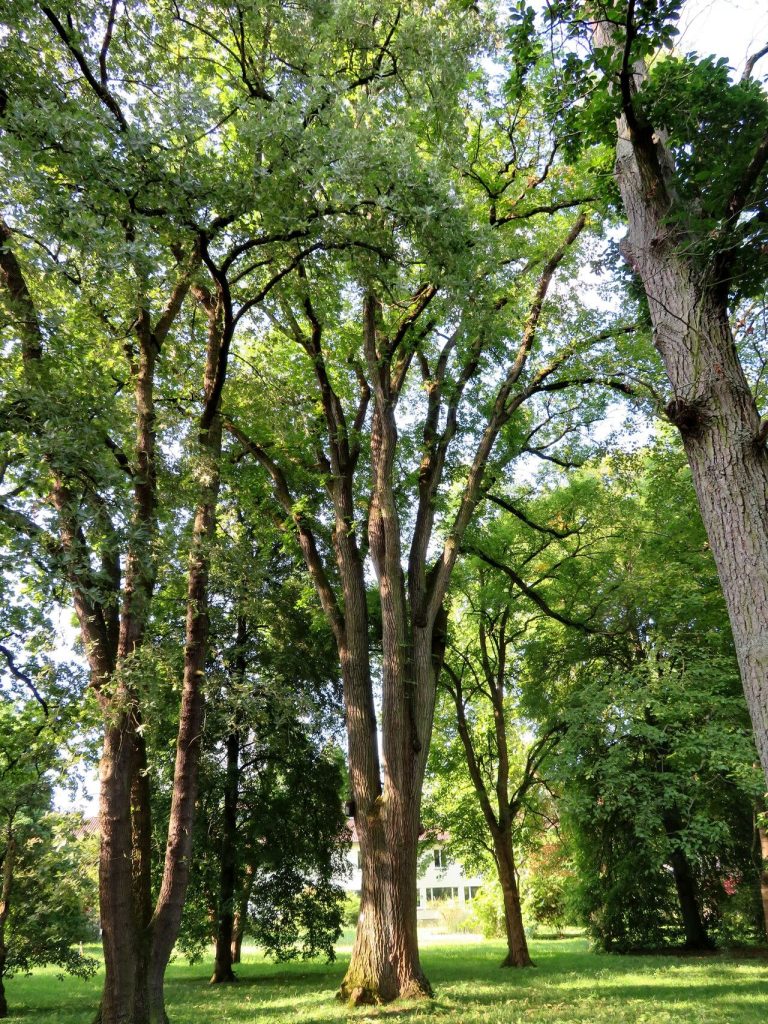
Propagating Ulmus pumila: A Guide to Cultivating the Siberian Elm
Introduction:
Ulmus pumila, commonly known as Siberian elm, is a fast-growing, drought-tolerant deciduous tree prized for its adaptability and resilience. Its rapid growth makes it a popular choice for windbreaks, erosion control, and even urban landscaping, though its invasive potential in some regions needs careful consideration. Its ease of propagation contributes to its widespread distribution, though certain methods present more challenges than others. This article explores various propagation techniques for Ulmus pumila, assessing their viability and effectiveness.
Seed Germination:
Seed germination is a viable – but somewhat challenging – method for propagating Ulmus pumila. The primary challenge lies in the seed’s dormancy. Siberian elm seeds require stratification – a period of cold, moist treatment – to break dormancy and initiate germination.
Challenges: Inconsistent germination rates are common even with stratification. Seed quality significantly impacts success; only freshly collected, high-quality seeds provide the best chances.
Practical Tips: Collect seeds in the autumn after they’ve matured and turned brown. Stratify the seeds for 60-90 days at temperatures between 33-40°F (0-4°C) in moist perlite or vermiculite. Sow the stratified seeds in well-draining seed-starting mix in early spring, keeping the soil consistently moist but not waterlogged.
Rewards: Seed germination offers the potential for large-scale propagation and increased genetic diversity within a population. This is particularly useful for breeding programs aiming to enhance desirable traits like disease resistance.
Cuttings:
Propagation of Ulmus pumila via cuttings is a relatively successful method. Hardwood cuttings taken in late fall or winter, and softwood cuttings taken in the late spring or summer, offer viable approaches.
Challenges: The success rate depends heavily on factors such as the age and health of the parent plant, the time of year the cuttings are taken, and the use of rooting hormone. Cuttings are more likely to fail if not properly treated and under ideal conditions.
Practical Tips: For hardwood cuttings, select 6-8 inch sections of mature wood. Dip the cut ends in rooting hormone and plant them in a well-draining medium like a mix of sand and perlite. Keep the medium consistently humid. Softwood cuttings require similar treatment but are more susceptible to rot and dehydration.
Rewards: Cuttings provide a quicker method of propagation compared to seeds, and they maintain the genetic characteristics of the parent plant.
Division:
Division is generally not a practical method for propagating Ulmus pumila. Siberian elm is a tree with a deep taproot system, making division extremely difficult and often resulting in damage to the plant, hindering its ability to survive and thrive.
Challenges: Due to the extensive root system of mature Ulmus pumila, division of mature trees is largely unsuccessful. Only small, young, recently established saplings offer a limited chance of success.
Tissue Culture:
Tissue culture is a more advanced technique allowing for large-scale propagation and disease elimination, but it requires specialized facilities and expertise well beyond the reach of the average home gardener.
Challenges: Setting up and maintaining a tissue culture laboratory requires significant investment in equipment and specialized knowledge on sterile techniques and plant nutrition.
Practical Tips: These techniques are not applicable to the home gardener. It is an option solely for commercial nurseries or researchers.
Rewards: Tissue culture can produce disease-free plants, ensuring high-quality planting material and offering opportunities for mass multiplication for commercial purposes.
Conclusion:
Propagating Ulmus pumila presents a range of challenges and rewards depending on the chosen method. Seed germination, while potentially providing genetic diversity, demands patience and careful attention to stratification techniques. Cuttings offer a more straightforward approach, but success hinges on precise timing and appropriate care. Division is generally impractical. Tissue culture offers advanced solutions but requires specialized knowledge and facilities.
Successfully cultivating Siberian elm from seed, cutting, or even through tissue culture is deeply satisfying. The perseverance required to overcome the challenges involved adds another dimension to the pleasure of watching these resilient trees flourish. The satisfaction of nurturing these plants from propagation to maturity is a testament to the gardener’s dedication and skill. Aspiring propagators should select their methods based on the resources available and should never underestimate the power of patience and meticulous attention to detail. The rewards of a well-grown Siberian elm far surpass the efforts involved.