
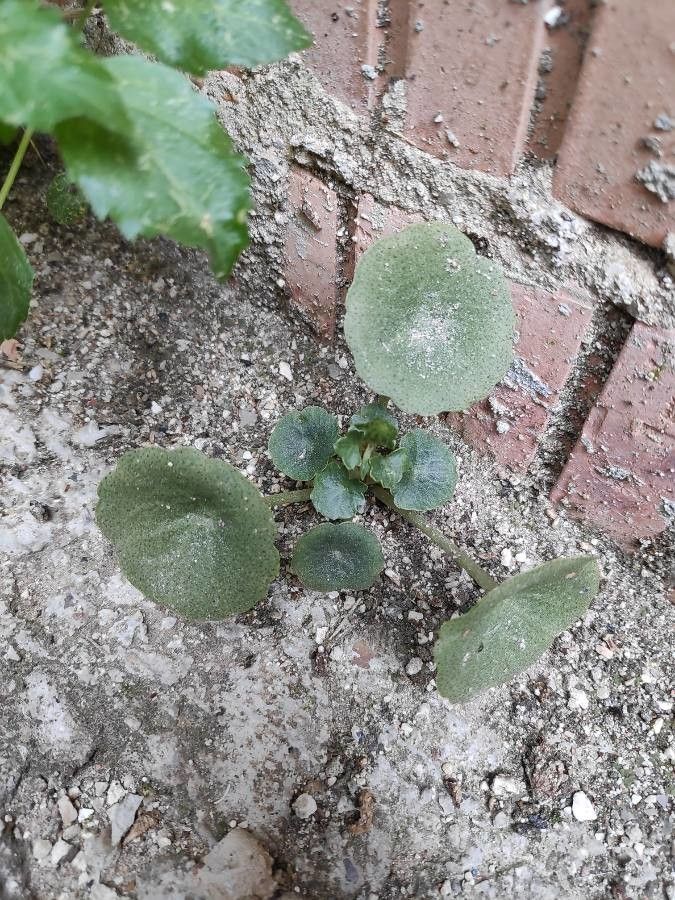
From One Leaf to a Whole New Plant: Propagating Navelwort with Ease
Navelwort, also known as Umbilicus rupestris, is a fascinating succulent with striking, fleshy leaves that resemble miniature navels – hence the name. But this unique plant isn’t just visually appealing, it’s also incredibly easy to propagate, meaning you can create new plants from just a single leaf! Read on to learn the secrets behind propagating Navelwort and enjoy the joy of growing this remarkable plant.
The Magic of Leaf Propagation:
Navelwort’s ease of propagation lies in its remarkable ability to generate new plants from its leaves. This process, known as leaf propagation, is not just limited to succulents – it’s a fascinating and successful method for many plants.
Steps to Leaf Propagation:
- Choose the Right Leaf: Select a healthy, mature leaf from your Navelwort plant, preferably one that’s firm and not showing signs of damage or disease.
- Clean and Prepare: Gently wash the leaf to remove any dust or debris. Allow it to dry completely before proceeding.
- Create a Potting Mix: A well-draining soil mix is essential. You can use a commercial cactus potting mix or create your own by combining equal parts peat moss, vermiculite, and perlite.
- Planting the Leaf: Lightly moisten the potting mix and fill a small pot. Gently place the leaf horizontally on the soil surface, ensuring a good portion is touching the soil. Don’t bury the entire leaf – only the cut end should be in contact with the soil.
- Provide Ideal Conditions: Place the potted leaf in bright, indirect light, avoiding direct sunlight. Maintain moderate humidity and a consistent temperature of around 65-75°F.
- Patience is Key: It might take 4-6 weeks for roots and a new plant to appear. Check the soil moisture regularly and water sparingly, only when completely dry.
Tips for Success:
- Optimal Season: Propagation is most successful during the spring and summer months when the plant is actively growing.
- Clean Tools: Always use clean, sharp scissors or a knife when cutting the leaf to avoid transferring diseases.
- Ventilation: Ensure adequate air circulation around the leaf to prevent mold growth.
- Patience and Observation: Watch for signs of new growth, like small plantlets emerging from the leaf.
- Repotting: Once the new plantlets are a few inches tall, you can carefully separate them with a clean tool and transplant them into individual pots.
Alternative Propagation Methods:
While leaf propagation is the most common and effective method for Navelwort, you can also explore other options, including:
- Stem Cuttings: While less common, you can also propagate Navelwort using cuttings taken from its stems.
- Seeds: Navelwort produces tiny seeds that can be sown in a well-draining seed starting mix. However, this method may be less successful and time-consuming than leaf propagation.
Enjoy Your New Plants:
Propagating Navelwort is a fun and rewarding experience. The process is simple, and the results are beautiful. Now you can enjoy a whole garden of Navelwort plants without spending a fortune on new ones. This unique plant, with its distinctive appearance and ease of propagation, is sure to become a favorite in any home garden. So, grab a leaf, get started, and experience the magic of propagation yourself!