
Propagating the Curious Uncarina grandidieri: A Gardener’s Guide
Introduction:
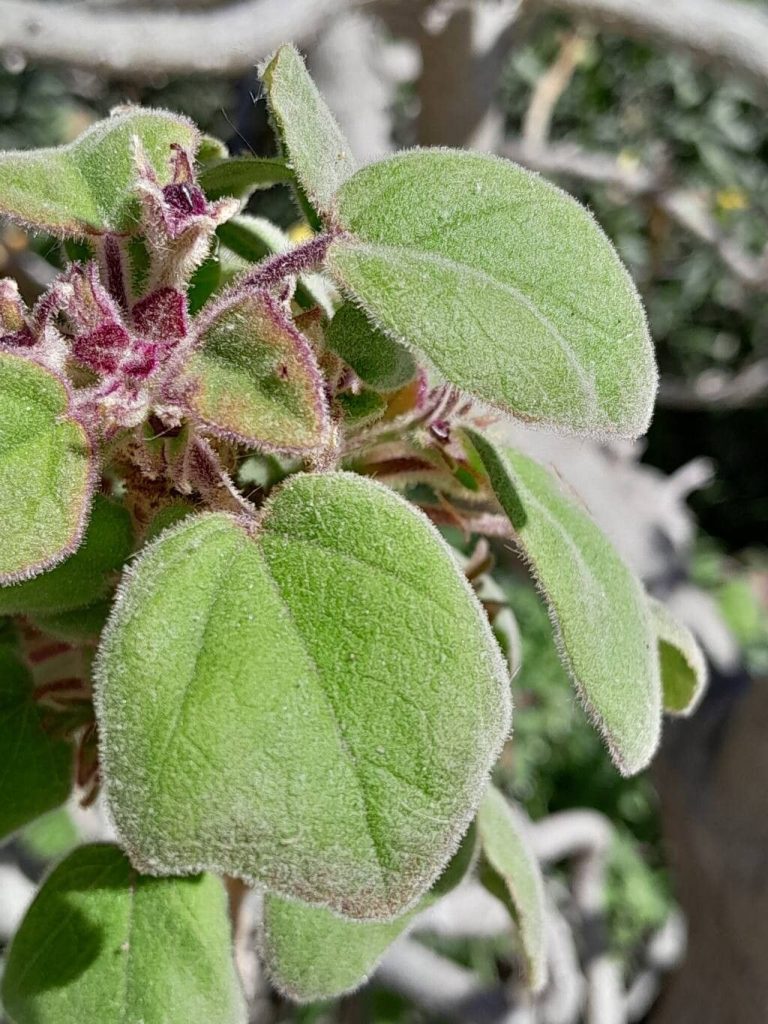
Uncarina grandidieri, also known as the “Madagascar Cucumber Tree,” is a captivating succulent shrub native to Madagascar. Its striking features—velvety leaves, uniquely shaped fruits resembling miniature gourds, and vibrant flowers—have earned it a place amongst sought-after collector plants. Its unusual adaptations for seed dispersal, involving explosive fruit dehiscence, and its relatively slow growth contribute to its unique appeal amongst gardeners. Successfully propagating this fascinating plant, however, presents a number of challenges. This article explores various propagation techniques, outlining both the difficulties and the immense satisfaction of cultivating this rare beauty.
Seed Germination:
Seed germination is a viable, but challenging, method for propagating Uncarina grandidieri. The hard seed coat often inhibits germination, requiring specific pre-treatment.
Challenges: Low germination rates are common, even with careful preparation. Seeds may require several months to germinate.
Practical Tips: Scarification (carefully nicking the seed coat) or soaking seeds in warm water for 24-48 hours prior to sowing can improve germination success. Sow seeds in well-draining, sandy cactus and succulent potting mix. Maintain a consistently warm temperature (20-25°C) and provide bright, indirect light. Patience is key!
Rewards: Seed propagation offers the potential for genetic diversity within your collection, a significant advantage considering the limited availability of Uncarina grandidieri. Successful germination from seed allows for a larger-scale propagation if many seeds are obtained.
Cuttings:
Propagation from cuttings is also possible, but success depends on careful technique and specific conditions.
Challenges: Cuttings are prone to rot if not allowed to properly callous and planted in sterile, well-draining substrate.
Practical Tips: Take semi-hardwood cuttings in spring or summer. Allow the cut ends to callus over for several days before planting in a well-draining potting mix. Use rooting hormone to increase the chance of success. Maintain high humidity and warmth, ideally using a propagation dome or humidity tray. Avoid overwatering, as this is a leading cause of rot in cuttings.
Rewards: Cuttings offer a quicker method of propagation than seed germination, producing genetically identical plants to the parent.
Division:
Division of established plants is a viable option for propagation, but it is only possible with mature, well-branched individuals.
Challenges: Care must be taken to ensure each division has a sufficient root system to support establishment.
Practical Tips: Division should be carried out during spring or early summer when the plant is actively growing. The divisions should be planted immediately after separation into individual pots with well-draining compost, avoiding overwatering.
Rewards: Division is relatively quick and straightforward if the plant is suitable. It retains the genetic characteristics of the parent plant.
Tissue Culture:
This highly technical method is rarely employed by home gardeners for Uncarina grandidieri.
Challenges: Tissue culture requires specialized equipment, sterile conditions, and a skilled hand. It is expensive and time-consuming.
Practical Tips: Establishing a tissue culture protocol for this species would require significant experimentation. This is better left to research institutions or specialized nurseries equipped for micropropagation.
Rewards: Rapid propagation of a large number of genetically identical plants. This may be important for conservation efforts.
Conclusion:
Propagating Uncarina grandidieri presents several horticultural challenges stemming from its unique characteristics and adaptation to its native environment. While seed germination and cuttings offer viable options for propagation to the dedicated enthusiast, success necessitates patience, knowledge, and meticulous attention to detail. Division is possible only for established plants, and tissue culture remains a highly specialized, professional method. However, the rewards—cultivating this rare beauty, witnessing its fascinating growth, and even contributing to their wider availability—makes the effort incredibly satisfying. Don’t be discouraged by initial setbacks; the unique challenges inherent in cultivating Uncarina grandidieri add to the profound satisfaction that comes with eventual success!