
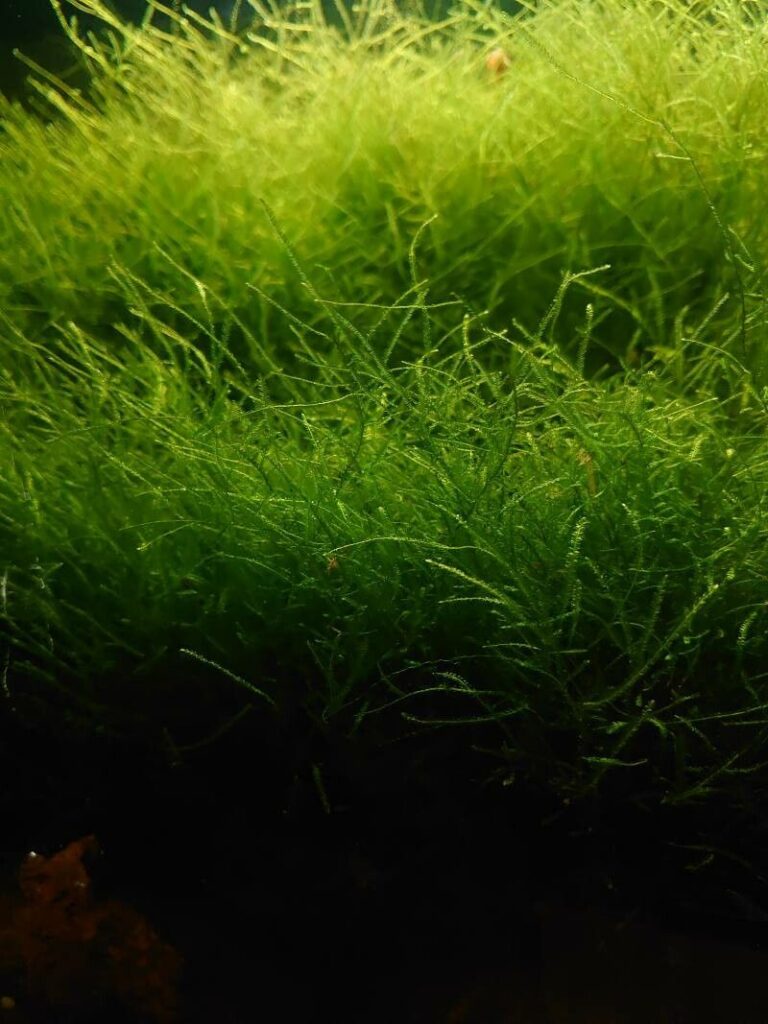
Trapping More Than Mosquitoes: The Fascinating World of Utricularia Gibba Propagation
The Utricularia gibba, also known as the humped bladderwort, is a fascinating plant that challenges our perception of the natural world. Floating freely in water without roots, it seems delicate and harmless. However, beneath the surface lies a network of tiny bladders, each a deadly trap for unsuspecting aquatic invertebrates. Intrigued? This fascinating carnivorous plant is surprisingly easy to propagate, making it a unique and rewarding addition to any plant enthusiast’s collection.
Unveiling the Secrets of Bladderwort Propagation
Unlike most plants that rely on seeds or cuttings, Utricularia gibba primarily reproduces through a process called vegetative propagation. This means the plant creates new versions of itself from existing plant material, and in the case of U. gibba, this happens in several ways:
- Fragmentation: The most common method, Utricularia gibba naturally breaks into smaller fragments as it grows. Each fragment, containing a portion of the stem and bladders, can develop into a new, independent plant.
- Turions: In less favorable conditions, like colder temperatures or reduced light, U. gibba forms special buds called turions. These are densely packed with nutrients and lie dormant until conditions improve, at which point they sprout into new plants.
- Winter Buds: Similar to turions, winter buds are produced in response to cold temperatures. These buds sink to the bottom of the water body, overwintering in the sediment until warmer weather arrives.
Creating Your Own Bladderwort Family:
What’s incredible about Utricularia gibba is its ease of propagation. Here’s a simple guide to multiply your own bladderwort colony:
- Division: Gently separate a healthy strand of U. gibba from the main plant mass. Ensure each division has a good length of stem and several bladders.
- Floating: Place the divisions in a container filled with rainwater, distilled water, or dechlorinated water. Avoid tap water as its mineral content can harm the plant.
- Provide Light: Utricularia gibba thrives in bright, indirect sunlight. Place your container near a window with ample natural light, or supplement with artificial grow lights.
- Patience: It might take a few weeks for the divisions to adjust and start growing visibly. Resist the urge to overhandle them.
Beyond the Basics:
- While U. gibba can be grown in small containers, a larger aquarium or pond allows them to flourish and showcases their natural spreading behavior.
- To recreate their natural habitat, consider adding floating plants like duckweed or water lettuce for partial shade and competition.
- Though carnivorous, U. gibba doesn’t require feeding. They are efficient hunters and will naturally capture microscopic organisms in the water.
A Rewarding and Educational Experience:
Propagating Utricularia gibba is not just about creating more plants; it’s about witnessing the incredible resilience and adaptability of nature. This unique plant, with its ingenious trapping mechanisms and diverse propagation strategies, offers a window into the wonders of the natural world, sparking curiosity and fascination in anyone who encounters it. So why not give it a try? You might be surprised by how this tiny predator captures your heart as well as its prey.