
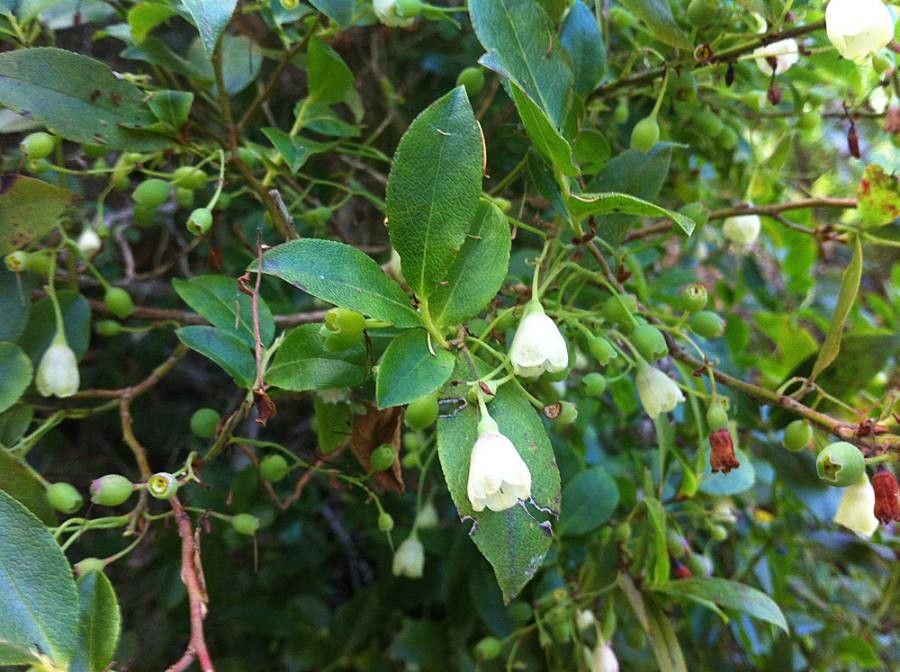
Unlocking the Secrets of Azores Blueberry Propagation: A Guide to Growing Vaccinium cylindraceum
The Azores blueberry, or Vaccinium cylindraceum, is a unique and beautiful shrub prized for its striking, pendulous flowers and delicious, slightly tart berries. Native to the Azores archipelago, this blueberry species thrives in mild, humid climates and adds an exotic touch to gardens across the globe. If you’re considering adding this exceptional plant to your collection, understanding its propagation requirements is key to success.
While Vaccinium cylindraceum can be propagated from seed, it’s a slow and often challenging process. Seedlings can take years to flower and fruit, and germination rates can be unpredictable. Thankfully, there are more reliable and efficient methods for propagating this stunning blueberry:
1. Semi-Hardwood Cuttings:
This is the most popular and successful technique for propagating Vaccinium cylindraceum.
- Timing is Key: Take cuttings in late summer or early fall, when the plant’s growth is starting to slow down. Look for healthy, non-flowering shoots that have hardened off but are still somewhat pliable.
- Prepare the Cuttings: Using a sharp, clean knife or pruning shears, take cuttings about 4-6 inches long. Make the cut just below a leaf node, where hormones that stimulate root development are concentrated.
- Hormonal Boost: Dip the cut end of each cutting in rooting hormone powder to encourage root formation.
- Planting and Care: Plant the cuttings in a well-draining potting mix, ensuring that at least two nodes are buried. Keep the medium consistently moist and place the cuttings in a warm, bright location, out of direct sunlight.
- Rooting Patience: It may take several weeks for the cuttings to develop roots. Once rooted, they can be gradually hardened off and transplanted into larger containers or directly into the ground.
2. Layering:
Layering is another effective propagation method for Vaccinium cylindraceum, though it may take longer than cuttings.
- Choose a Branch: Select a healthy, low-growing branch that can easily reach the ground.
- Wound and Bury: Gently wound the underside of the branch by making a small cut or scraping away a section of bark. This wound will encourage root development.
- Secure and Cover: Bend the wounded section of the branch down to the ground and bury it in a shallow trench filled with moist potting mix. Use a rock or landscape staple to secure the branch in place.
- Patience is Key: Leave the layered branch undisturbed for several months, ensuring the soil remains consistently moist. By the following spring, the branch should have developed roots and can be separated from the parent plant.
Essential Tips for Success:
- Acidic Soil is Crucial: Vaccinium cylindraceum, like all blueberries, thrives in acidic soil with a pH range of 4.5-5.5. Amend your planting medium or garden soil with peat moss, elemental sulfur, or an acidifying fertilizer to ensure optimal growth.
- Well-Draining Soil is a Must: These blueberries detest soggy roots. Plant in well-draining soil and avoid overwatering.
- Light is Everything: Choose a location with dappled sunlight or morning sun and afternoon shade for ideal growing conditions.
With patience and the right techniques, propagating Vaccinium cylindraceum can be a rewarding experience. Soon, you’ll be enjoying the unique beauty and flavorful bounty of this extraordinary blueberry species in your own garden.