
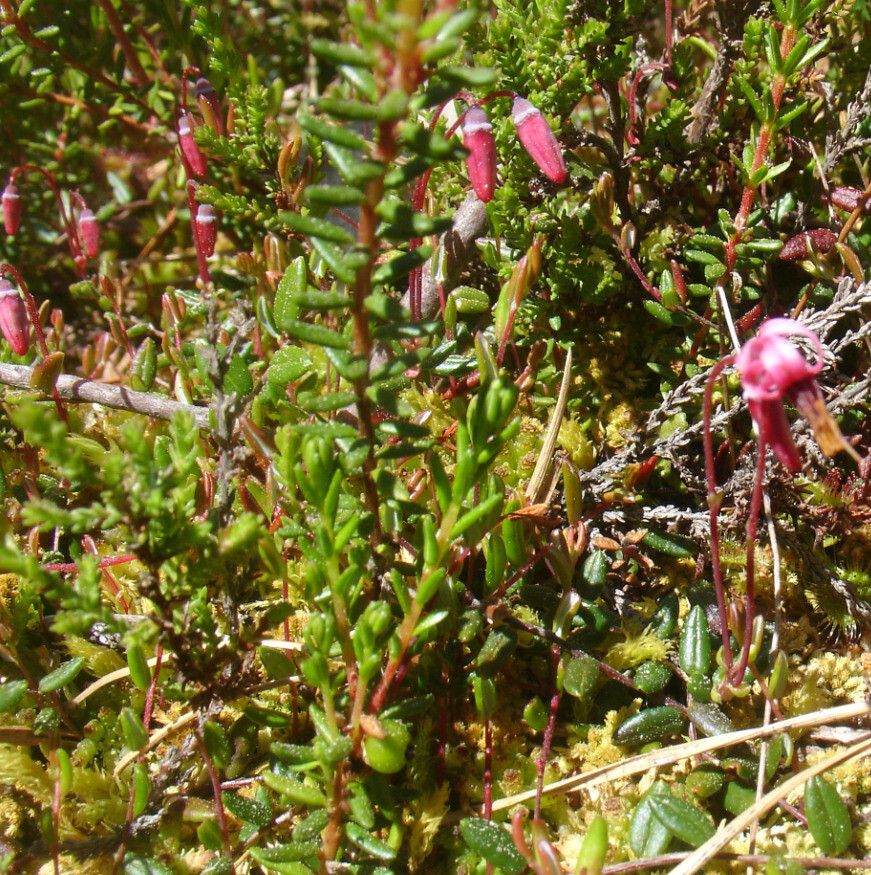
Propagating Vaccinium microcarpum: The Art of Growing Small Cranberry
Vaccinium microcarpum, commonly known as small cranberry or bog cranberry, is a low-growing, creeping shrub prized for its small, tart berries and its adaptability to acidic, bog-like conditions. Its diminutive size and attractive foliage make it a valuable addition to rock gardens, bog gardens, or as groundcover in suitable environments. While not as widely cultivated as its larger cousins, the cranberry (Vaccinium macrocarpon), its unique characteristics and resilience have earned it a following among dedicated gardeners. Propagating small cranberry, however, presents some unique challenges, requiring a nuanced approach.
Seed Germination:
Currently, there are no known reliable methods for seed germination propagation of Vaccinium microcarpum. The seeds are notoriously difficult to germinate, often requiring specific and often unpredictable environmental conditions that are difficult to replicate in a home setting. Research into seed germination techniques for this species is limited.
Cuttings:
Propagating Vaccinium microcarpum from cuttings offers a more reliable method than seed germination. However, success rates are still moderate and require patience and attention to detail.
Challenges: The primary challenge lies in rooting the cuttings. Small cranberry cuttings are prone to rotting before root development can occur. Successful rooting requires a consistently moist but well-drained medium, optimal humidity levels, and protection from fungal diseases.
Practical Tips: Semi-hardwood cuttings taken in late summer or early autumn show the best results. Use a rooting hormone to enhance success. A mist propagation system is highly recommended to maintain optimal humidity. A suitable propagation mix might include peat moss and perlite.
Rewards: Successfully rooted cuttings provide a genetically identical clone of the parent plant, ensuring consistent fruit quality and characteristics.
Division:
Division is a relatively straightforward method for propagating established plants of Vaccinium microcarpum.
Challenges: Division is only effective if the parent plant is mature and sufficiently large to be divided without significant stress. Incorrect division can severely damage the plant, leading to its death.
Practical Tips: Divide the plant in early spring or autumn, ensuring each division retains healthy roots and a significant portion of the crown. Plant the divisions immediately in a well-prepared, acidic soil with ample organic matter mimicking its natural boggy habitat. Be sure to maintain sufficient soil moisture.
Rewards: Division is fast and relatively easy for established plants, resulting in multiple new plants quickly.
Tissue Culture:
Tissue culture offers a potential method for large-scale propagation of Vaccinium microcarpum.
Challenges: This method requires specialized equipment, sterile laboratory conditions, and specific knowledge of plant tissue culture techniques. It is not a practical option for home gardeners.
Practical Tips: This technique is only feasible in a professional laboratory environment with access to suitable growth media, hormones, and sterilization equipment.
Rewards: Tissue culture allows for rapid and large-scale multiplication of elite genotypes, opening opportunities for commercial propagation. It overcomes the challenges associated with seed and cutting propagation.
Conclusion:
Propagating Vaccinium microcarpum presents a unique set of challenges across all methods discussed. While seed germination currently proves unreliable, cuttings offer a viable, albeit moderately challenging option for the keen gardener. Division is a simpler method for established plants. Tissue culture, while highly effective, requires specialized resources.
Successfully cultivating this plant from propagation, however, offers a special satisfaction. The effort invested reflects the dedication and knowledge required – a testament to one’s horticultural prowess. For those tempted to try, patience, meticulous attention to detail, and a deep understanding of the plant’s specific needs are key ingredients to success. Don’t be discouraged by initial setbacks; the rewards of observing these plants thrive, and eventually bearing their unique fruit, are worth the challenge.