
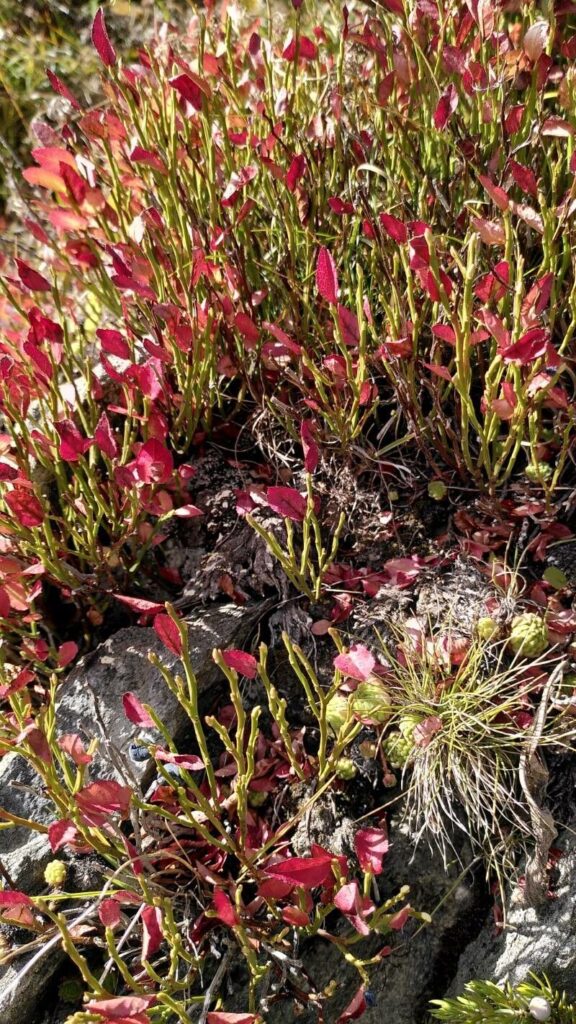
Bringing the Berry Good Life Home: Propagating Grouse Whortleberry (Vaccinium scoparium)
The Grouse Whortleberry, scientifically known as Vaccinium scoparium, is a delightful little shrub that graces alpine and subalpine regions with its delicate charm. While its common name might be a mouthful, this low-growing blueberry relative offers a bounty of beauty and flavor. Imagine tiny, tart blueberries nestled among vibrant green foliage that turns fiery shades of red and orange in the fall. Intrigued? If you’re dreaming of cultivating this wild gem in your own backyard, propagation is the key to unlocking a world of berry good life!
Seeding the Dream: Propagation from Seed
While possible, propagating Grouse Whortleberry from seed can be a test of patience. Here’s a step-by-step guide:
- Harvesting: Collect ripe berries in the late summer or fall. Gently crush the fruits and rinse away the pulp, leaving behind small, brown seeds.
- Cold Stratification: Mother Nature knows best! Mimic winter conditions by storing the seeds in a moist medium like vermiculite or sand within your refrigerator (around 40°F) for 60-90 days.
- Sowing: Once stratified, sow the seeds in a peat-based seed-starting mix, barely covering them with a light dusting of the medium.
- Patience, Young Padawan: Germination can be slow and sporadic, taking anywhere from a few weeks to several months. Maintaining consistent moisture and a warm environment will encourage sprouting.
Branching Out: Propagation from Cuttings
For a quicker and often more successful approach, consider propagating Grouse Whortleberry from stem cuttings:
- Timing is Everything: Early morning during the plant’s active growing season (late spring to early summer) is the prime time for taking cuttings.
- Cut with Care: Using sharp, sterilized pruning shears, select healthy, non-flowering stems. Each cutting should be about 4-6 inches long, with the cut made just below a leaf node.
- Preparation is Key: Remove the lower leaves from the cutting, leaving 2-3 pairs at the top. You can further encourage rooting by dipping the cut end in rooting hormone powder.
- Planting the Seeds of Success: Fill a pot with a well-draining mix of peat moss and perlite. Create holes with a pencil and gently insert the cuttings, ensuring the leaf nodes are buried.
- Creating a Mini Greenhouse: Maintain high humidity by covering the pot with a clear plastic bag or humidity dome. Place the pot in a location with bright, indirect light.
- Rooting for Success: Within 4-6 weeks, your cuttings should develop roots! Once you notice new growth, you can gradually acclimate the young plants to outdoor conditions before transplanting them to their final location.
Creating the Perfect Home for Your Grouse Whortleberry
Regardless of your propagation method, providing the right growing conditions is crucial for success. Mimic the Grouse Whortleberry’s natural habitat by:
- Choosing the Right Soil: Well-draining, acidic soil (pH 4.5-5.5) is essential. Amending your soil with peat moss or composted pine needles can help achieve the desired pH.
- Location, Location, Location!: Select a sunny to partially shaded spot, as Grouse Whortleberry thrives in bright, indirect light.
- Watering Wisely: Keep the soil consistently moist but not waterlogged. Allowing the soil to dry slightly between waterings prevents root rot.
- Feeding Your Friends: Apply a balanced, slow-release fertilizer formulated for acid-loving plants in the spring.
By following these propagation tips and providing optimal growing conditions, you’ll soon be enjoying the beauty and bounty of Grouse Whortleberry in your own backyard – a sweet reward for your horticultural efforts!