
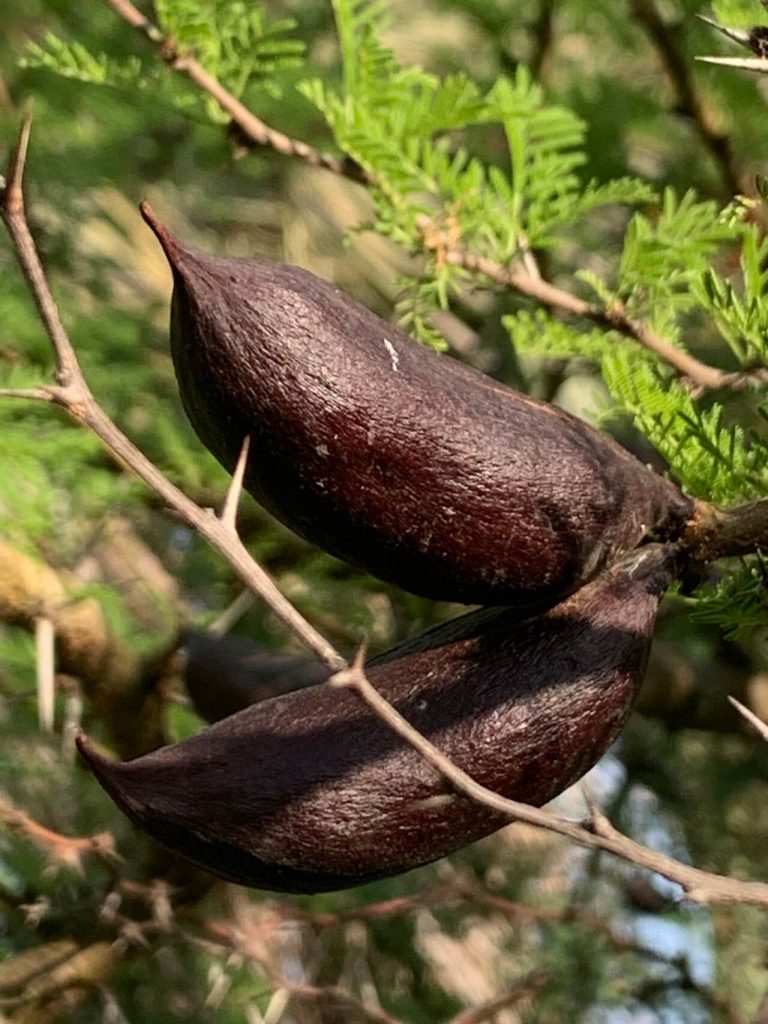
Propagating the Espinillo: Unveiling the Secrets of Vachellia caven
Introduction:
Vachellia caven, commonly known as espinillo (among other regional names), is a thorny, leguminous shrub or small tree native to South America. Highly valued for its drought tolerance, attractive yellow flowers, and nitrogen-fixing properties, it’s gaining popularity among gardeners seeking low-maintenance, ecologically beneficial landscaping options. Its hardiness and unique aesthetic qualities make it a rewarding, albeit challenging, plant to propagate. This article explores various methods for propagating Vachellia caven, weighing their challenges and rewards.
Seed Germination:
Seed germination is a viable method for propagating Vachellia caven, though it presents several challenges. The hard seed coat significantly hinders water uptake, necessitating pre-treatment.
Challenges: Dormancy imposed by the hard seed coat.
Tips: Scarification is crucial. Methods include nicking the seed coat with a file or sandpaper, or soaking seeds in concentrated sulfuric acid for a short period (carefully follow instructions for safe acid handling). Soaking seeds in hot water (near boiling) for a short time followed by a 24-hour soak in cold water can also improve germination rates. Sowing should be done in a well-draining seed-starting mix, keeping the soil consistently moist but not waterlogged. Germination may be slow, taking several weeks or even months.
Rewards: Seed propagation offers the greatest genetic diversity compared to other methods, generating a range of phenotypes. This is ideal for establishing larger-scale plantings or for selecting superior individuals for further propagation.
Cuttings:
Cuttings represent a less reliable method for propagating Vachellia caven.
Challenges: Vachellia caven cuttings are notoriously difficult to root. The plant’s tendency to produce callous tissue rather than roots often hinders success.
Tips: Semi-hardwood cuttings taken in late summer or early autumn, treated with rooting hormone, and placed in a moist, well-draining propagation mix offer the best (but still low) chance of success. High humidity and bottom heat can improve rooting, but success rates remain low.
Rewards: Genetically identical plants to the parent plant can be produced, ensuring uniformity in traits. However, the low success rate limits this method’s practicality for large-scale propagation.
Division:
Division is not a practical method for propagating Vachellia caven. This species does not readily produce offsets or suckers suitable for division.
Tissue Culture:
Tissue culture presents a potentially viable, though technically demanding, method.
Challenges: Establishing aseptic conditions and developing suitable media formulations for Vachellia caven requires specialized knowledge and laboratory facilities. The process is time-consuming and expensive.
Tips: Research on optimal media compositions and growth regulators is crucial. Expertise in aseptic techniques is essential to prevent contamination.
Rewards: Tissue culture allows for rapid and mass propagation of genetically identical plants, making it suitable for commercial production or conservation efforts.
Conclusion:
Propagating Vachellia caven presents unique challenges, regardless of the chosen method. While seed germination offers the greatest possibilities for genetic diversity and large-scale propagation, it requires patience and careful pre-treatment. Cuttings offer low success rates, limiting their practical application. Division is unsuitable. Although demanding, tissue culture offers a solution for mass propagation requiring specialized expertise.
The rewards, however, are substantial. The satisfaction of nurturing a Vachellia caven from seed, overcoming the challenges of germination, or achieving success with recalcitrant cuttings, is deeply fulfilling. For aspiring propagators, perseverance and meticulous attention to detail are key. Don’t be discouraged by initial setbacks; the unique beauty and resilience of the espinillo make the effort exceptionally worthwhile. Begin with seed germination; experiment with different scarification techniques and remain patient. The successful cultivation of this remarkable plant is a testament to your dedication and gardening prowess.