
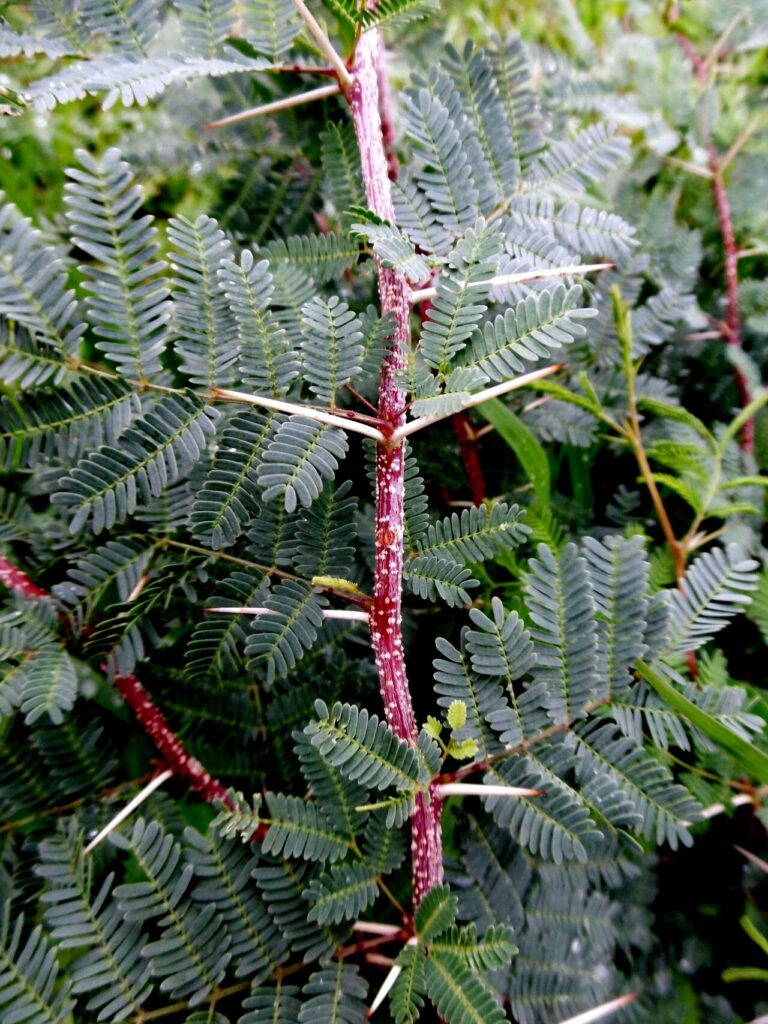
From Seed to Shade: Propagating the Resilient Vachellia karroo
The Vachellia karroo, formerly known as Acacia karroo, is a remarkable tree native to southern Africa. This hardy species boasts stunning bright yellow blooms, fragrant foliage, and a striking silhouette. Its resilience, adaptability, and beauty make it a popular choice for both home gardens and landscaping projects. But how can you bring a Vachellia karroo into your own space? The answer lies in propagation – the art of creating new plants from existing ones.
Seeds: A Journey of Patience
Vachellia karroo is primarily propagated through seeds. These small, brown treasures hold within them the potential for a new life. However, like many tough seeds, Vachellia karroo seeds require a bit of coaxing to germinate.
Here’s the process:
- Scarification: The hard seed coat needs to be weakened for water and oxygen to penetrate. This can be achieved by soaking the seeds in hot water (80°C) for 24 hours or using sandpaper to gently rub the seed coat.
- Stratification: After scarification, the seeds benefit from a period of cold stratification. Place them in a moist medium – like a damp paper towel or vermiculite – and store them in the refrigerator for 2-3 weeks. This simulates the cold conditions the seeds would experience in nature.
- Sowing: After stratification, sow the seeds in a seed tray or pot filled with a well-draining seed-starting mix. Maintain a moist environment and warm temperatures (around 25°C). Germination can take anywhere from 1 to 4 weeks.
- Transplanting: Once the seedlings develop a few true leaves, you can transplant them into individual pots or directly into the ground.
Cuttings: A Direct Approach
While seed propagation is the most common method, Vachellia karroo can also be grown from semi-hardwood cuttings. This method is slightly quicker and offers a more reliable path to success.
Here’s the process:
- Selection: Choose healthy, mature stems from a healthy parent plant. Cuttings should be about 10-15cm long, taken just below a node (the point where a leaf grows).
- Preparation: Remove the leaves from the bottom 2-3 inches of the cutting and dip the cut end in rooting hormone powder to encourage root development.
- Planting: Insert the cuttings into a well-draining mixture like a peat-based potting mix. Keep the cuttings moist, ensuring that the bottom node remains buried. A humidity dome or plastic bag placed over the cuttings can help preserve moisture and humidity for successful rooting.
- Patience: Be patient, because this rooting process can take several weeks to a few months.
Beyond the Basics: Considerations for Success
No matter which propagation method you choose, success hinges on providing optimal conditions for your Vachellia karroo. Here are some crucial factors:
- Sunlight: This tree thrives in full sun, requiring at least 6 hours of direct sunlight daily.
- Soil: Well-drained soil with a slightly acidic pH is best. Avoid heavy clay soils that retain too much moisture.
- Watering: While young plants require regular watering, mature Vachellia karroo are remarkably drought-tolerant. Once established, they can survive on minimal rainfall, making them ideal for water-wise gardens.
- Fertilisation: Vachellia karroo are generally low-maintenance when it comes to fertilisation. However, you can give them a boost with a balanced fertilizer in the early stages of growth.
Conclusion:
Propagating a Vachellia karroo can be a rewarding experience, culminating in the pleasure of watching a resilient and beautiful tree take root in your garden. Whether you choose the traditional method of seed propagation or the more direct approach of cuttings, the journey from seed to shade offers a fascinating glimpse into the life cycle of this remarkable tree. Remember, patience and understanding are key ingredients for successful propagation, and your Vachellia karroo will thank you with its vibrant presence for years to come.