
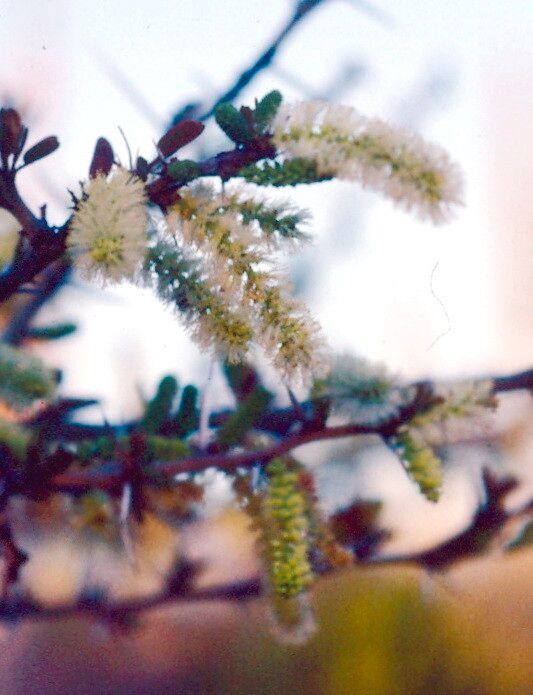
Propagating the Fairydust Acacia: A Guide to Growing Vachellia rigidula
Introduction
Vachellia rigidula, commonly known as Fairydust Acacia, is a charming, small to medium-sized tree or shrub native to Texas and northeastern Mexico. Its delicate, fern-like foliage and profusion of small, yellow flowers make it a highly sought-after ornamental plant, particularly valued for its drought tolerance and attractive form. Its popularity amongst gardeners is growing, but propagating this species can present unique challenges, demanding specific knowledge and patience. This article explores various propagation methods for Vachellia rigidula, outlining both the challenges and rewards.
Seed Germination
Seed germination is a viable method for propagating Vachellia rigidula, although it presents several hurdles. The hard seed coat is a primary obstacle, preventing water uptake and germination. To overcome this, scarification is essential. This can be achieved through mechanical methods like nicking the seed coat with a file or sandpaper, or through chemical scarification using concentrated sulfuric acid (requires caution and protective gear). After scarification, soaking the seeds in warm water for 24-48 hours can further improve germination rates.
Sowing should be done in a well-draining seed-starting mix, keeping the soil consistently moist but not waterlogged. Warm temperatures (around 70-75°F or 21-24°C) are crucial. Germination can be slow, taking several weeks or even months.
Challenges: Hard seed coat, slow germination rate.
Tips: Scarification (mechanical or chemical), warm temperatures, well-draining soil, consistent moisture.
Rewards: High genetic diversity resulting in a wider range of plant characteristics, potential for large-scale propagation, relatively low cost compared to other methods.
Cuttings
Propagating Vachellia rigidula from cuttings is possible but has a lower success rate compared to seed germination. Semi-hardwood cuttings, taken in late summer or early fall, are generally the most successful. Cuttings should be approximately 4-6 inches long, with the lower leaves removed to prevent rot. Dipping the cut ends in rooting hormone can significantly improve chances of success. Planting in a well-draining medium, such as a mix of perlite and vermiculite, and providing high humidity (e.g., using a humidity dome) is essential.
Challenges: Low success rate, requires specific timing and techniques, careful management of humidity and moisture.
Tips: Use semi-hardwood cuttings, rooting hormone, well-draining medium, high humidity.
Rewards: Faster propagation than from seed for select superior plants, preservation of desirable traits from parent plants.
Division
Division of established Vachellia rigidula plants is only feasible for smaller, multi-stemmed individuals. Carefully excavate the plant, separating it into multiple sections, ensuring each section has its own root system. Replant immediately, and water thoroughly.
Challenges: Limited applicability only to smaller plants, risk of plant damage during division.
Tips: Gentle handling, sharp tools, immediate replanting.
Rewards: Relatively quick establishment of new plants, preservation of desirable traits.
Tissue Culture
While tissue culture is a potentially viable method for rapid propagation of Vachellia rigidula, specific protocols for this species are not readily available in published literature. This method would require specialized laboratory equipment and expertise, making it unsuitable for the home propagator.
Currently, there are no known reliable methods for tissue culture propagation of Vachellia rigidula readily available to the hobbyist.
Conclusion
Propagating Vachellia rigidula presents various challenges, with seed germination being the most widely accessible and potentially rewarding method, albeit requiring patience and careful attention to detail. Cuttings provide a faster alternative, but with a lower success rate. Division offers a quick option for smaller plants. While tissue culture holds potential, readily available protocols are currently lacking.
Despite the difficulties, the rewards are significant. Successfully cultivating this beautiful and resilient plant from seed, cutting, or division provides a unique sense of accomplishment, a testament to the gardener’s skill and perseverance. The challenge makes the success all the more satisfying. For aspiring propagators, persistence and a willingness to adapt are key to achieving positive results with Vachellia rigidula. Remember to research and experiment to find the method that works best for you and your specific conditions.