
Propagating Vachellia sphaerocephala: Challenges and Triumphs
Introduction
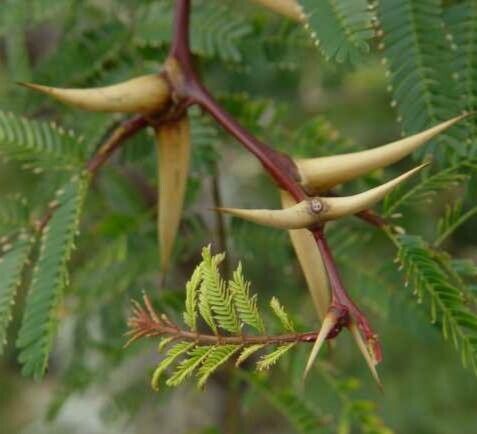
Vachellia sphaerocephala, commonly known as the bullthorn acacia or round-headed acacia, is a striking small tree or shrub prized for its attractive, spherical flower heads and distinctive thorns. This species, native to parts of Africa, is gaining popularity among gardeners for its drought tolerance and unique aesthetic appeal. Its propagation, however, presents several challenges, making successful cultivation a rewarding experience for dedicated plant enthusiasts. The unique aspects relevant to its propagation stem from its hard seed coat and relatively slow growth rate.
Seed Germination
Seed germination is a viable method for propagating Vachellia sphaerocephala, but it presents significant challenges. The hard seed coat inhibits water uptake, requiring pre-treatment to break dormancy.
Challenges: The primary challenge is overcoming seed coat dormancy. Simple soaking often proves insufficient.
Practical Tips: Successful seed germination typically involves scarification. This can be achieved by gently nicking the seed coat with a file or sandpaper, or by using hot water treatment (soaking seeds in near-boiling water for a short period, followed by soaking in warm water for 24-48 hours). After scarification, seeds should be sown in a well-draining seed-starting mix kept consistently moist but not waterlogged. Warm temperatures (around 25-30°C) are beneficial.
Rewards: Successful seed germination offers the significant advantage of genetic diversity, leading to a wider range of potentially hardier plants. It also allows for large-scale propagation, making it a cost-effective method for establishing substantial numbers of Vachellia sphaerocephala.
Cuttings
Cuttings propagation for Vachellia sphaerocephala is generally less successful than seed germination.
Challenges: Vachellia sphaerocephala cuttings are notoriously difficult to root. The success rate is low, even with the use of rooting hormones.
Practical Tips: Semi-hardwood cuttings taken in late summer or early autumn, treated with rooting hormone, and placed in a humid propagation environment with bottom heat may yield a few successful plants. However, expect a low success rate.
Rewards: While challenging, successfully rooting cuttings can ensure the propagation of desirable traits from a specific parent plant, bypassing the genetic variability inherent in seed propagation.
Division
Division is not a practical method for propagating Vachellia sphaerocephala. This species does not readily form suckers or offsets that can be easily separated and replanted.
Tissue Culture
Tissue culture offers a potential albeit sophisticated method for propagating Vachellia sphaerocephala.
Challenges: Tissue culture requires specialized equipment, sterile conditions, and expertise in plant tissue culture techniques. Establishing appropriate media and protocols optimized for Vachellia sphaerocephala would be a necessary first step.
Practical Tips: Research on optimal media composition, growth regulators, and sterilization procedures specific to Vachellia sphaerocephala would be necessary before attempting this technique.
Rewards: Tissue culture offers the potential for rapid and large-scale propagation of disease-free plants. It also allows for the preservation of valuable genotypes in a controlled setting.
Conclusion
Propagating Vachellia sphaerocephala, while offering the rewards of cultivating this unique tree, presents significant challenges across all propagation methods. Seed germination offers the best chance of success, provided appropriate scarification techniques are employed. Cuttings propagation remains difficult, while division and tissue culture offer potential but require specialized knowledge and resources. The inherent difficulty, however, only increases the satisfaction derived from successfully cultivating this striking plant. The perseverance required fosters a deep connection with the plant and a strong sense of accomplishment that’s often absent when dealing with easily propagated species. For aspiring propagators, patience, persistence, and thorough research are key elements to achieving success in cultivating the beautiful Vachellia sphaerocephala.