
Propagating Valeriana aretioides: A Gardener’s Guide to a Mountain Gem
Introduction:
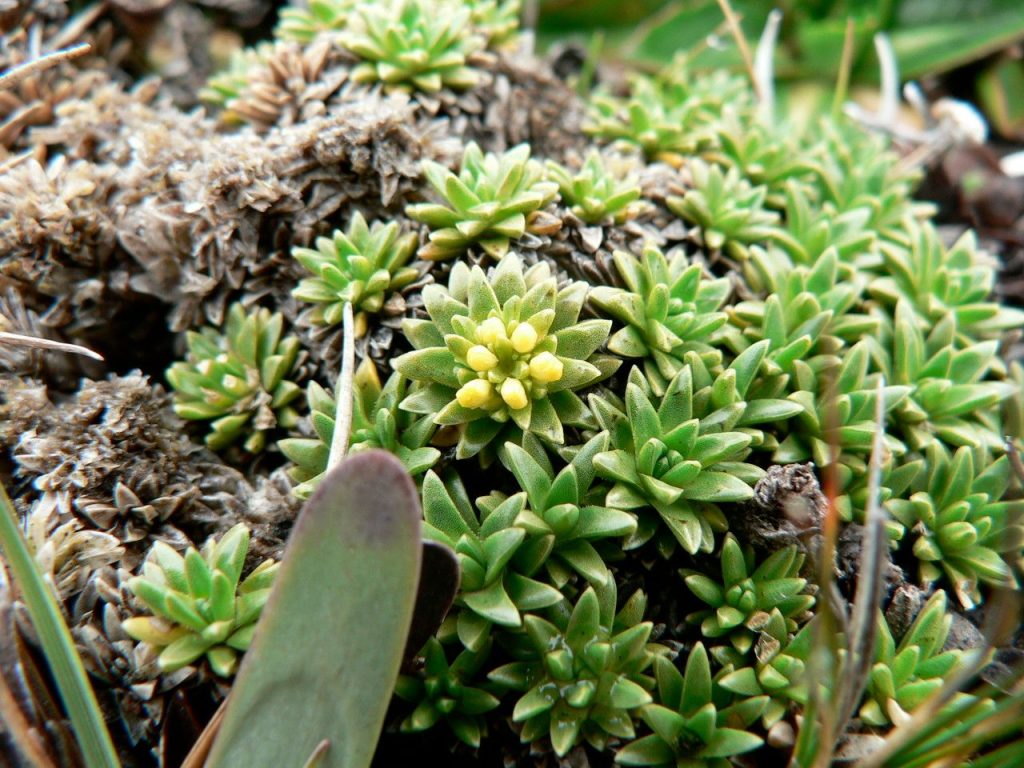
Valeriana aretioides, also known as the dwarf valerian or Areti’s valerian, is a charming alpine plant prized for its delicate, fragrant flowers and compact habit. Native to mountainous regions, it boasts a unique beauty that makes it a sought-after addition to rock gardens, alpine troughs, and even containers. Its small stature and adaptability to challenging conditions contribute to its popularity amongst gardeners. However, propagating this tenacious little plant presents some unique challenges. Unlike some readily propagated species, Valeriana aretioides propagation requires patience and attention to detail.
Seed Germination:
Currently, there are no known reliable methods for seed germination propagation of Valeriana aretioides. While seeds may be produced, their germination rate is notoriously low, and success remains largely unpredictable. Further research is needed to determine viable germination techniques.
Cuttings:
Challenges: Valeriana aretioides cuttings are notoriously difficult to root. The plant’s physiology seems resistant to forming roots from stem cuttings. Low success rates are common.
Tips: Softwood cuttings taken in early summer, treated with rooting hormone, and kept under high humidity conditions in a propagator may offer a slight improvement in success, but overall, rooting success rates usually remain low. Taking cuttings from healthy, actively growing plants is crucial.
Rewards: Successful rooting of a cutting provides a genetically identical plant to the parent, preserving desirable traits. However, given the low success rate, this method is not ideal for large-scale propagation.
Division:
Challenges: Valeriana aretioides forms a relatively small clump, limiting the number of divisions possible from a single plant. Damaging the root system during division can easily kill the plant.
Tips: Division is best undertaken in spring or autumn when the plant is actively growing or entering dormancy. The clump should be carefully divided with a sharp, clean tool, ensuring each division possesses a substantial root system and several shoots. Replanting should occur immediately in well-draining soil.
Rewards: Division provides a relatively straightforward method for increasing the number of plants, with a higher success rate compared to cuttings. It preserves the genetic characteristics of the parent plant, useful for maintaining specific cultivars or prized specimens.
Tissue Culture:
Challenges: There is limited published research on the tissue culture propagation of Valeriana aretioides. Establishing sterile cultures and finding suitable growth media specific to this plant’s requirements would necessitate extensive experimentation.
Tips: The use of meristematic cultures or nodal cuttings might offer the highest probability of success, but optimization of the media composition, hormones, and environmental conditions would be required. This is a complex and resource-intensive method requiring specialized equipment and expertise.
Rewards: Tissue culture offers the potential for mass production of genetically uniform plants, which would be extremely valuable for conservation efforts and commercial propagation.
Conclusion:
Propagating Valeriana aretioides proves challenging across all methods discussed. While division shows the most potential for success amongst readily available techniques, its limitations of scale hinder sizable propagation efforts. The unpredictable germination rates and low rooting success of cuttings illustrate the need for further research and development in this area. Tissue culture offers the greatest potential for large-scale propagation but requires significant expertise and resources. However, the satisfaction of successfully cultivating this challenging but rewarding plant is immeasurable. The perseverance needed to propagate Valeriana aretioides ultimately enhances the appreciation of its hard-won beauty in a garden. Don’t be discouraged by initial setbacks; continue experimenting with different techniques and approaches – your patience will eventually be rewarded with the thriving presence of this delightful alpine gem.